Reviewed by the TRU Biologix Medical Team
NAD+ (nicotinamide adenine dinucleotide) is a coenzyme found in every living cell, including skin cells, where it takes part in how cells produce and use energy. In skincare, it appears either as NAD+ itself or as its building blocks, mainly niacinamide (vitamin B3) and NMN.
The honest summary: research on NAD+ applied to the skin is still early and mostly laboratory-based, while its precursor niacinamide has years of controlled studies behind it for the look of skin. NAD+ products are worth understanding, but the formula and the company it keeps matter as much as the headline ingredient.
Key takeaways
- NAD+ is a coenzyme cells use in energy metabolism; research suggests levels decline with age.
- Topical NAD+ research is early and largely in-vitro; niacinamide, its precursor, has stronger evidence for appearance.
- NAD+ is a relatively large molecule, so formulation and delivery systems matter.
- NAD+ pairs easily with hydrators, ceramides and PDRN in a simple routine.
What is NAD+?
NAD+ is a small helper molecule, a coenzyme, that cells use in hundreds of chemical reactions, especially those that turn nutrients into usable energy. It also supports enzymes involved in cell maintenance.
It has become a wellness and longevity buzzword because research suggests NAD+ levels decline in many tissues with age. A 2026 review in Ageing Research Reviews summarised how NAD+ pathways relate to ageing across the body. That interest has now moved into skincare, where “skin longevity” is one of the biggest themes of the year.
What does NAD+ do in skincare?
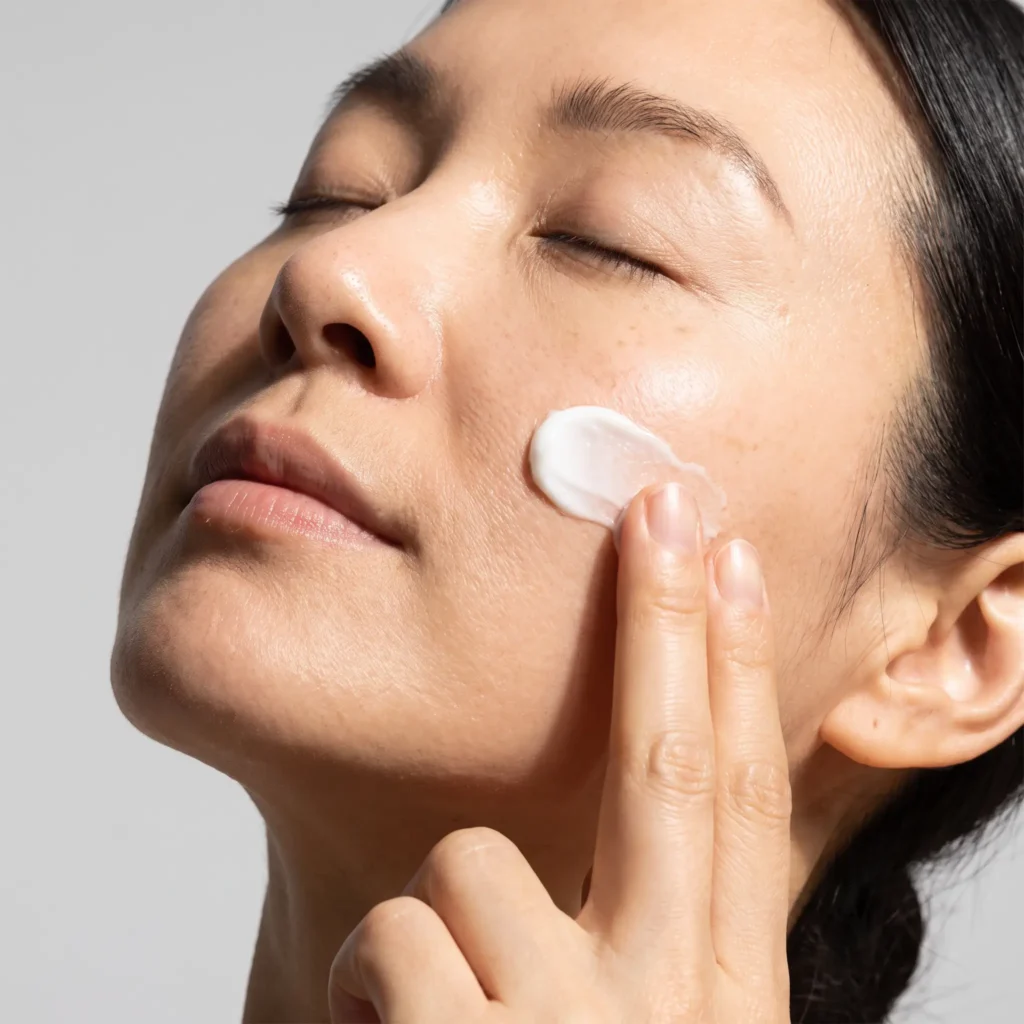
Applied to the skin, NAD+ is included to support the look of healthy, resilient, well-conditioned skin. The evidence behind that comes from two places, and it is worth keeping them separate.
Laboratory research on NAD+ itself. A 2025 study tested NAD+ on skin cells (keratinocytes) in the lab and found a liposomal form performed better than free NAD+ against markers of cell ageing. This is an in-vitro result, not a clinical outcome, but it shows why formulation matters.
Clinical research on niacinamide. Niacinamide is a form of vitamin B3 the body uses to make NAD+. In a controlled study, topical niacinamide improved the look of fine lines, blotchiness, sallowness and texture on facial skin. This is the strongest evidence in the NAD+ family for visible skin appearance.
NAD+ vs niacinamide vs NMN
These three are related but not interchangeable. Niacinamide and NMN are building blocks the body can use to make NAD+; NAD+ is the finished coenzyme.
| NAD+ | NMN | Niacinamide | |
|---|---|---|---|
| What it is | The coenzyme itself | A direct precursor of NAD+ | Vitamin B3, an earlier precursor |
| Molecule size | Large (about 663 daltons) | Medium (about 334 daltons) | Small (about 122 daltons) |
| Topical evidence | Early, mostly laboratory | Early, mostly laboratory and animal | Several controlled studies on appearance |
| Typical format | Creams and serums, often encapsulated | Serums and eye creams | Serums, moisturizers, toners |
| Feel | Generally gentle | Generally gentle | Generally gentle; very high strengths can tingle |
Molecular weights rounded.
Is NAD+ skincare worth it?
It can be, with realistic expectations. The main question for any NAD+ product is delivery. The outer layer of skin lets small, oil-friendly molecules through far more easily than large, water-loving ones; a common rule of thumb is that molecules above about 500 daltons struggle to cross it unaided. NAD+ is above that line, which is why encapsulation and carrier systems feature heavily in research and product design. We explain the barrier and delivery systems in how actives get past the skin barrier.
The second question is the rest of the formula. NAD+ is rarely the only active; it usually sits alongside hydrators, barrier lipids or PDRN. A well-built cream with several supportive ingredients is a better bet than a single-ingredient promise.
How to use NAD+ skincare in a routine
NAD+ is easy to fit in because it is generally gentle and pairs well with most ingredients.
- Where it goes: after cleansing and any watery hydrating layers; NAD+ creams go on as the moisturizer step.
- Morning or evening: either works; finish mornings with sunscreen.
- Good partners: hyaluronic acid, ceramides, niacinamide and PDRN. For an introduction to PDRN, see what PDRN is in skincare.
- With retinol or acids: fine in the same routine; apply the stronger active first and let it settle.
- Patch test any new product on a small area if your skin is sensitive-feeling.
Give a new routine about four weeks before judging it, since that is roughly how long the outer layer takes to renew.
NAD+ and the skin longevity trend
Skin longevity, the idea of keeping skin looking healthy for longer rather than correcting it later, is one of the defining skincare themes of 2026. NAD+ fits that story naturally, which is why searches for NAD skincare and NAD cream are growing. For practices, the most useful framing with patients is the simple one: NAD+ is a supportive ingredient in a consistent, barrier-friendly routine, not a stand-alone fix.
Products in this article
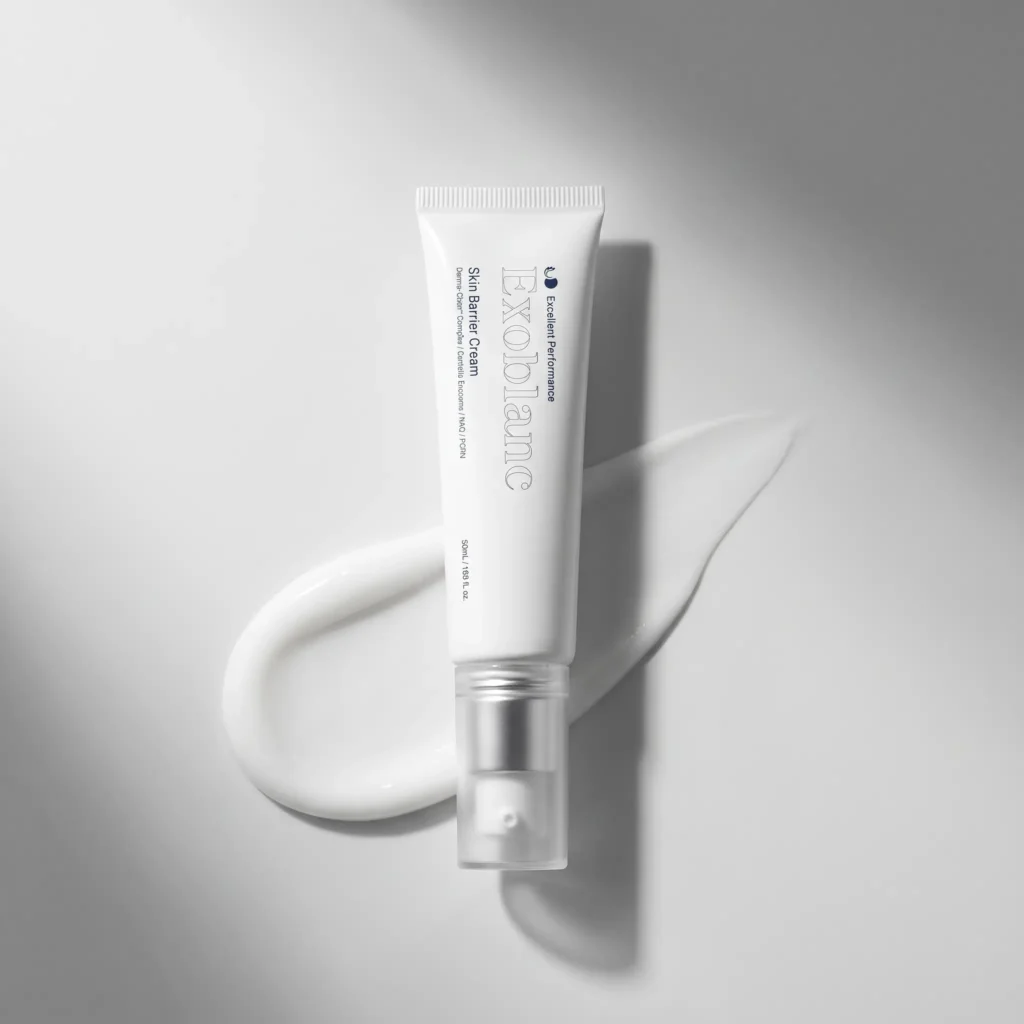
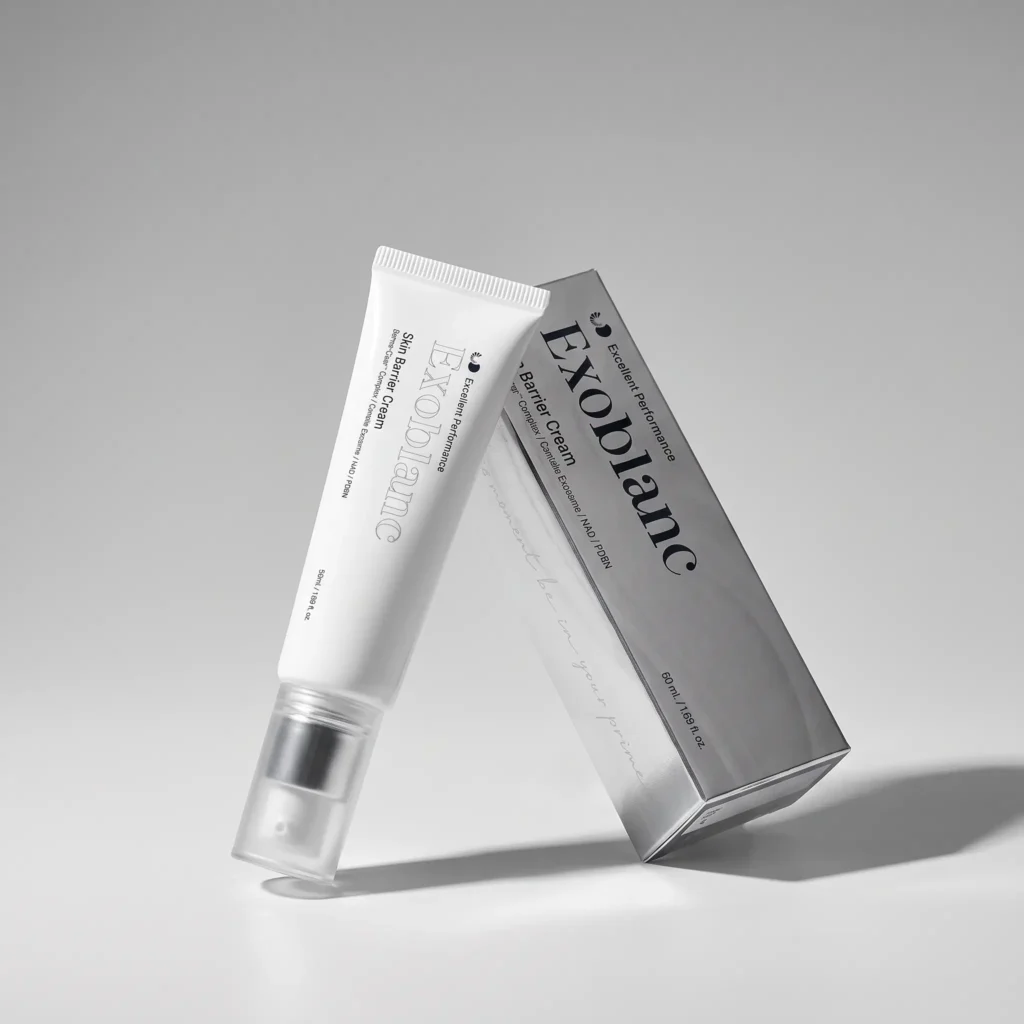
Exoblanc Skin Barrier Cream
Moisture-barrier support with NAD, PDRN, Derma-Clear and CICA-Exo in a light, non-greasy cream.

Exoblanc PDRN Boosting Serum
Lightweight hydrating serum with PDRN, plant exosomes and Rosa Damascena callus vesicles.
Frequently asked questions
Is NAD+ the same as niacinamide?
No. Niacinamide is a form of vitamin B3 that the body uses to make NAD+. NAD+ is the finished coenzyme. Niacinamide currently has stronger evidence for visible skin appearance.
Does NAD cream work?
Research on topical NAD+ is early and mostly laboratory-based. A well-formulated NAD+ cream can support the look of hydrated, comfortable skin, especially alongside ingredients like ceramides and hyaluronic acid.
Can you use NAD+ and retinol together?
Yes. NAD+ is generally gentle. Apply the retinol first, let it settle, and follow with the NAD+ product or moisturizer.
Can you use NAD+ with PDRN?
Yes. They are often combined in the same formula, and both fit into a simple hydrating routine.
Is NAD+ skincare suitable for sensitive skin?
NAD+ is generally well tolerated, but every formula is different, so patch test a new product on a small area first.
What is the difference between NAD+ and NMN in skincare?
NMN is a direct building block of NAD+. Both appear in skincare, and topical research on both is still early.
References
- Izadpanah R, Rappaport J, Alt EU. NAD⁺ circuits in aging, tissue repair and fibrosis. Ageing Res Rev 2026;122:103305.
- Ministrini S, Liberale L, Erle HE, et al. A liposomal formulation enhances the anti-senescence properties of nicotinamide adenine-dinucleotide (NAD⁺) in endothelial cells and keratinocytes. Curr Issues Mol Biol 2025;47(9):722.
- Bissett DL, Oblong JE, Berge CA. Niacinamide: a B vitamin that improves aging facial skin appearance. Dermatol Surg 2005;31(7 Pt 2):860–865.