Reviewed by the TRU Biologix Medical Team
Vitamin C oil, ceramide oil and totarol oil are facial oils built around one active each: vitamin C for brighter, more even-looking skin, ceramides for a comfortable moisture barrier, and totarol for clearer-looking skin. Putting these actives in oil rather than water can help with stability and with getting them past the skin’s oil-based outer layer.
Whether an active oil delivers depends on the form of the active and how it is carried. This guide explains each ingredient, the role of the carrier, and how to use them.
Key takeaways
- Vitamin C supports brighter, more even-looking skin but is unstable in water, which is why oil and encapsulated formats exist.
- Ceramides make up a large share of the lipids in the skin’s outer layer; ceramide oils support dry, tight skin.
- Totarol is a natural compound from New Zealand’s tōtara tree, used in formulas for oily, congested-looking skin.
- The skin’s outer layer is oil-based, so oil-compatible carriers can help actives get past it.
What is vitamin C oil?
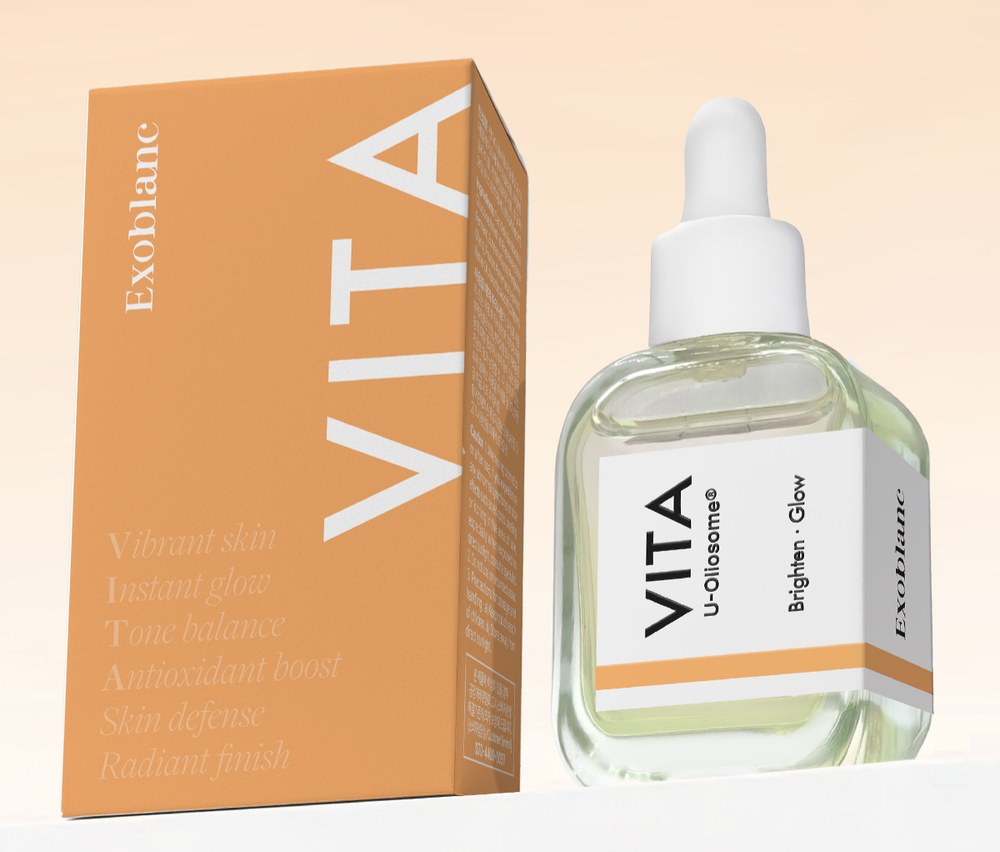
Vitamin C oil is a facial oil that carries vitamin C, either as an oil-soluble vitamin C derivative or as encapsulated ascorbic acid. Vitamin C is one of the most studied skincare antioxidants, valued for brighter, more even-looking skin and for helping defend against the visible effects of daily environmental stress.
The challenge is that pure vitamin C (L-ascorbic acid) is water-soluble and breaks down quickly when exposed to air, light and water. Oil formats and encapsulation are two ways formulators protect it until it reaches the skin. Exoblanc Oil VITA, for example, carries ascorbic acid at 10,000 ppm inside reverse micelles in an oil base.
What does ceramide oil do?
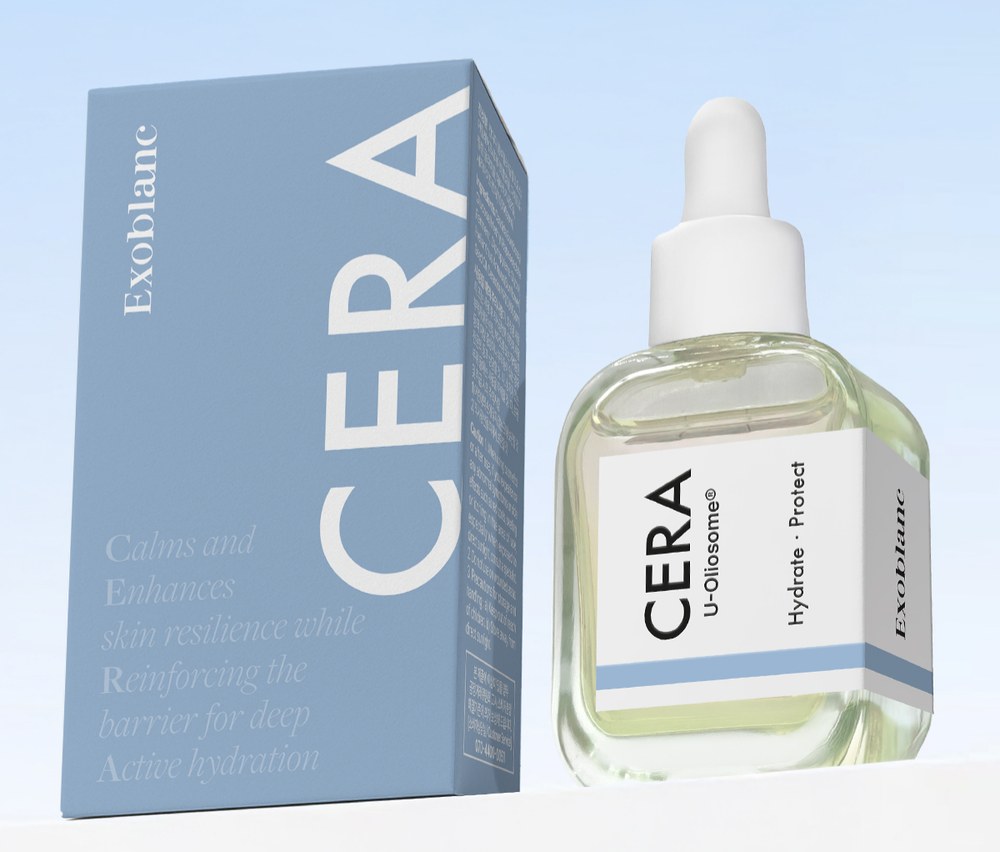
Ceramides are lipids that make up a large share of the “mortar” between cells in the skin’s outer layer, alongside cholesterol and fatty acids. That lipid layer is what keeps water in and keeps skin feeling supple. When it runs low, skin looks dull and flaky and feels tight.
A ceramide oil adds these lipids in a format that spreads easily and suits dry, tight skin, including skin that feels uncomfortable in cold or dry weather. Exoblanc Oil CERA carries ceramide NP at 10,000 ppm. For the barrier science behind ceramides, see our guide to the skin barrier.
What is totarol?
Totarol is a natural compound found in the heartwood of the tōtara tree (Podocarpus totara), native to New Zealand, where the wood is known for resisting decay. In skincare it appears in formulas for oily, congested-looking and blemish-prone-looking skin.
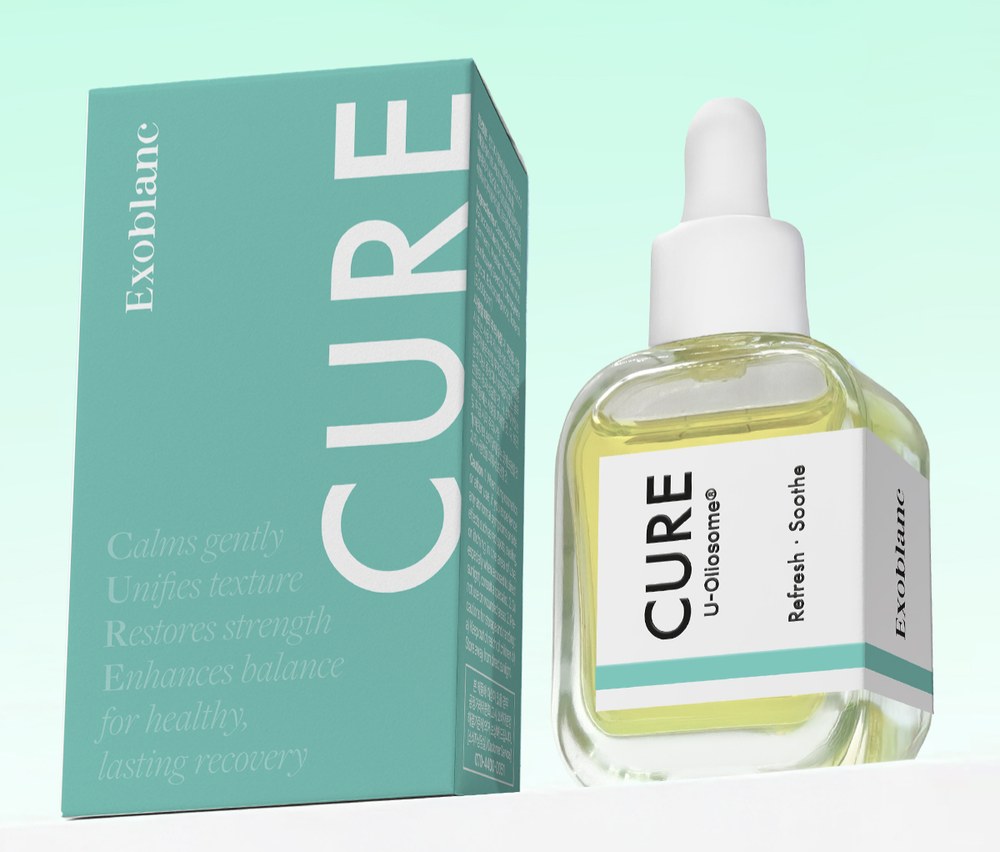
In laboratory research, totarol has been studied as an antioxidant and for its activity against certain bacteria; those are laboratory findings rather than clinical outcomes. Exoblanc Oil CURE carries totarol at 5,000 ppm in a light oil designed not to leave skin feeling stripped.
Why put actives in an oil?
Because the skin’s outer layer is itself oil-based. Water-soluble actives, including vitamin C, struggle to cross a lipid barrier, which is one reason so many water-based serums deliver less than their label suggests.
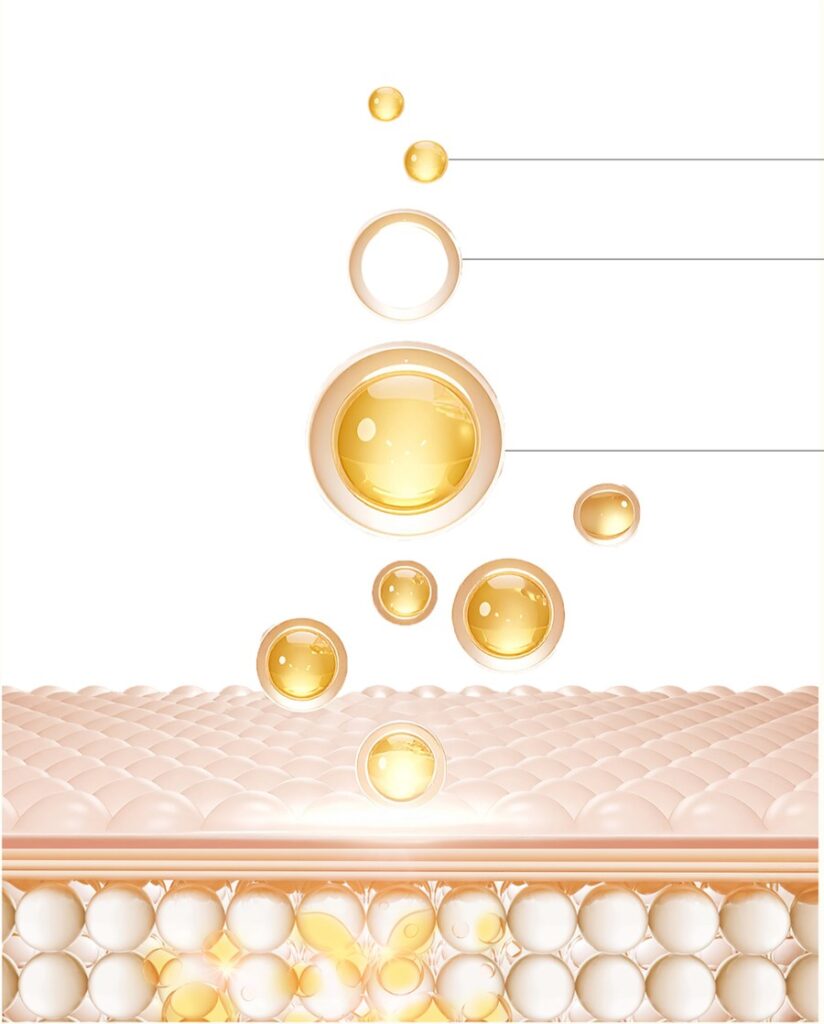
A reverse micelle flips the usual structure: a tiny water core holding the active, wrapped in an oil-compatible shell, so the active travels inside something the barrier accepts. According to manufacturer data, Exoblanc Oil’s reverse micelles measure about 10 nm, roughly a tenth of a typical 100 nm liposome, with a 100% encapsulation rate against 10–15% for liposomes.
Which active oil suits which skin?
Match the oil to the main concern, and use one at a time when starting out.
| Vitamin C oil | Ceramide oil | Totarol oil | |
|---|---|---|---|
| Main active | Ascorbic acid or a derivative | Ceramides | Totarol |
| Best for | Dull, uneven-looking tone | Dry, tight, reactive-feeling skin | Oily, congested-looking skin |
| Exoblanc variant | VITA (10,000 ppm) | CERA (10,000 ppm) | CURE (5,000 ppm) |
| Best time | Morning, under sunscreen | Morning or evening | Evening, or morning on oily skin |
Concentrations from Exoblanc Oil product information.
How to use an active facial oil
- Apply to clean, dry skin after cleansing, using a few drops pressed in with the palms.
- Layer thin to thick: watery toners and serums first, then the oil, then a moisturizer if skin needs more comfort.
- Vitamin C in the morning pairs well with sunscreen; always finish with broad-spectrum protection.
- Avoid the eye area.
- Add one active at a time so you can tell what each one is doing.
Active oils sit comfortably alongside hydrating ingredients such as PDRN; see what PDRN is in skincare. For a full barrier-first routine, read is glass skin bad for your skin?
Products in this article
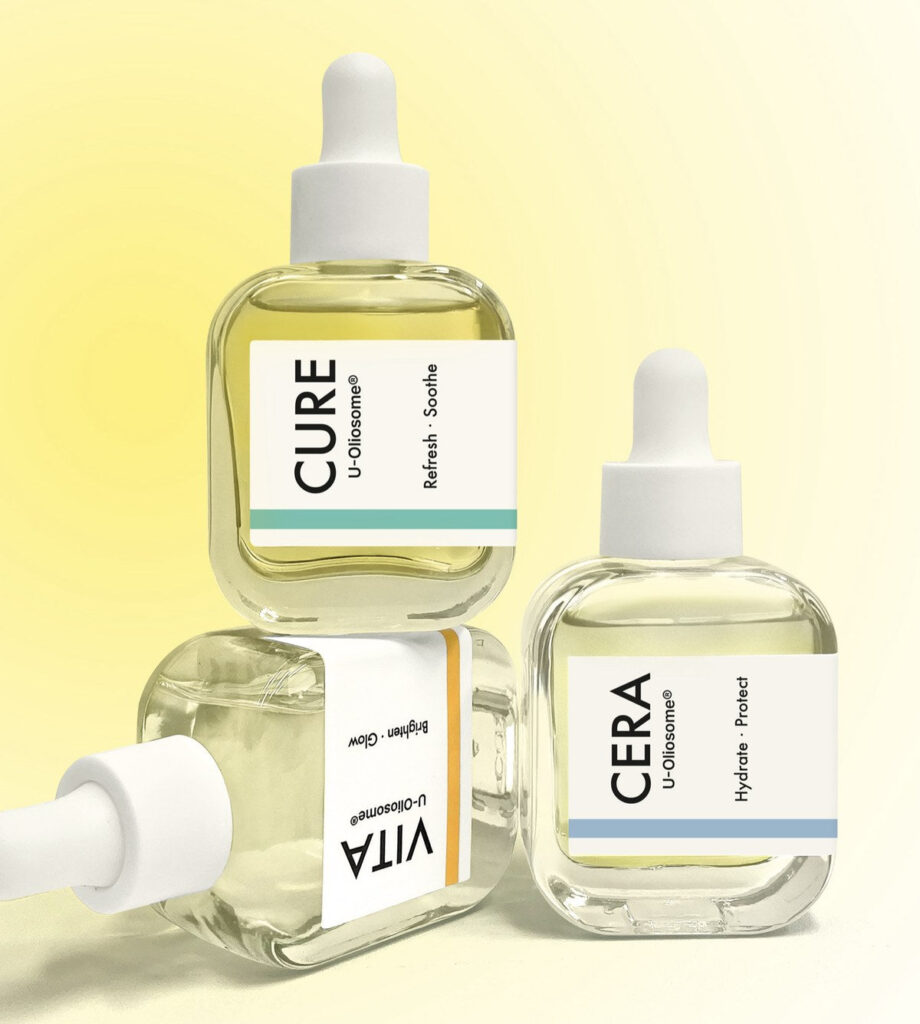
Exoblanc Oil (CERA, VITA, CURE)
30 mL facial oils with ceramide NP, vitamin C or totarol carried in 10 nm reverse micelles.
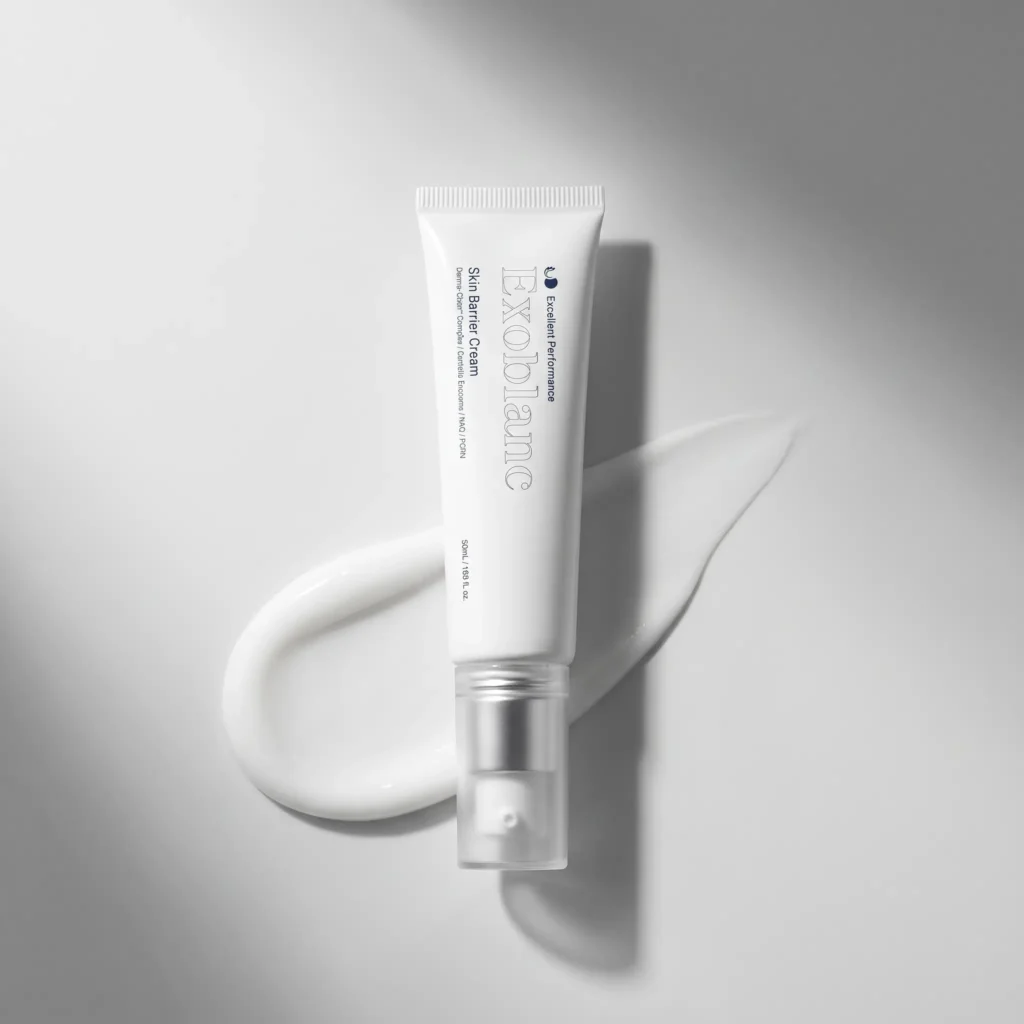
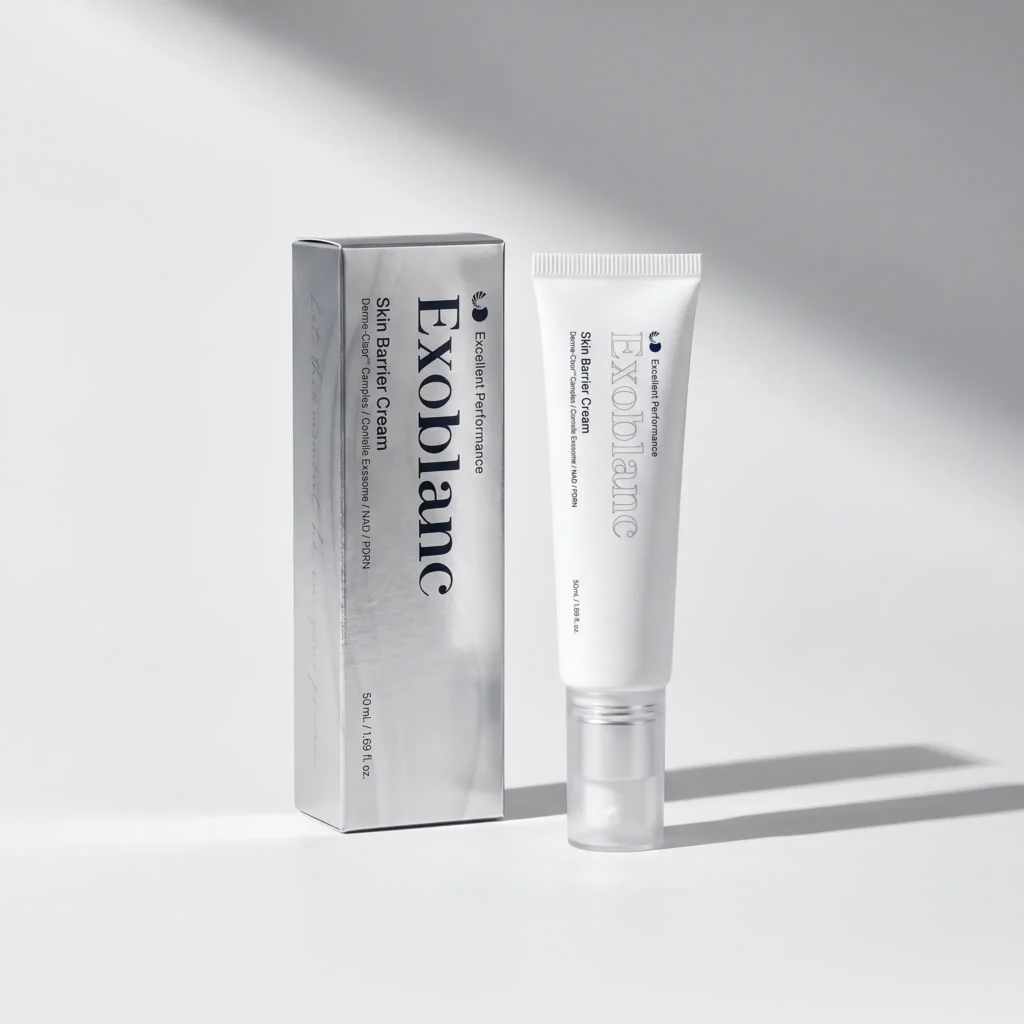
Exoblanc Skin Barrier Cream
Moisture-barrier support with NAD, PDRN, Derma-Clear and CICA-Exo in a light, non-greasy cream.
Frequently asked questions
Is vitamin C oil better than vitamin C serum?
Not automatically. Oil and encapsulated formats help protect vitamin C and suit drier skin, while water-based serums can feel lighter. The form of vitamin C and how it is carried matter more than the format.
Can I use vitamin C oil every day?
Most people can use a vitamin C product daily, usually in the morning under sunscreen. Start every other day if your skin is sensitive-feeling.
Is ceramide oil good for oily skin?
It can be, in small amounts. Oily skin can still feel dehydrated, and a light ceramide oil supports the moisture barrier without heavy creams.
What is totarol made from?
Totarol is a natural compound found in the heartwood of the tōtara tree, which is native to New Zealand.
Can I use vitamin C oil with niacinamide?
Yes. The two are commonly used in the same routine; apply the thinner product first.
Do facial oils clog pores?
It depends on the oil and the formula. Light oils designed for actives, used in small amounts, suit most skin types.
References
- Pullar JM, Carr AC, Vissers MCM. The roles of vitamin C in skin health. Nutrients 2017;9(8):866.
- Coderch L, López O, de la Maza A, Parra JL. Ceramides and skin function. Am J Clin Dermatol 2003;4(2):107–129.
- Kubo I, Muroi H, Himejima M. Antibacterial activity of totarol and its potentiation. J Nat Prod 1992;55(10):1436–1440.
- Manufacturer data, Exoblanc Oil: reverse micelle size, encapsulation rate and active concentrations.