Reviewed by the TRU Biologix Medical Team
The difference is concentration and texture. An essence is the thinnest and lightest, a hydrating layer that preps skin; a serum is thicker and built around one or two key ingredients; an ampoule is the most concentrated, usually a short, intensive course. Apply them thinnest to thickest: essence, then serum, then ampoule, unless the product says otherwise.
Key takeaways
- Essence, serum and ampoule sit on a scale from light and watery to rich and concentrated.
- None of the three terms has a legal definition, so read the ingredient list, not just the name.
- Apply from thinnest to thickest: essence, serum, ampoule, then moisturiser.
- Most routines need one targeted step, not all three; ampoules are best used as short, focused courses.
What is the difference between an essence, a serum and an ampoule?
Think of the three as points on one scale. Moving right, textures get richer, active ingredients get more concentrated and the product becomes more targeted.
Watery, light, hydrating prep
Gel or light fluid, one or two key actives
Richest and most concentrated, short courses
The terms come from Korean skincare, where layering thin products is standard; a review of Korean cosmeceuticals describes how many of these formulas centre on familiar actives such as centella asiatica, ginseng and niacinamide. None of the names is regulated, so one brand’s serum can be richer than another’s ampoule. The ingredient list and the directions tell you more than the label.
Essence, serum and ampoule explained
Step 1 · Prep
Essence
A watery layer pressed in after toner. Its job is hydration and a smoother-feeling base for what follows. Often built on humectants and ferments.
Step 2 · Target
Serum
Lighter than cream but more concentrated than an essence. Usually built around one or two actives, such as vitamin C, niacinamide or hyaluronic acid, for a specific concern.
Step 3 · Boost
Ampoule
The most concentrated format, often in sealed vials or small bottles. Used for a set period (a week, a course of nights) when skin needs extra support.
Ampoule vs serum vs essence at a glance
| Essence | Serum | Ampoule | |
|---|---|---|---|
| Texture | Watery | Gel or light fluid | Fluid to slightly viscous, rich |
| Concentration | Low | Medium | Highest |
| Main job | Hydrate and prep | Target one concern | Short, intensive boost |
| How often | Daily | Daily | Daily for a set course, or as directed |
| Typical format | Bottle, pressed in by hand | Dropper or pump | Vials, ampoules or small dropper |
| Do you need it? | Optional | Most routines | Optional, situational |
Industry convention, not a regulated definition. Always follow the product’s own directions.
Which comes first, ampoule or serum?
Serum first, then ampoule, in most routines. The general rule is thinnest to thickest, so the watery essence goes on first and the richest step last before moisturiser. If an ampoule is thinner than your serum, use it before the serum instead; texture beats the name.
Give each layer 30–60 seconds to settle. The full sequence, from cleanser to sunscreen, is in our guide to Korean skincare routine order.
Is a more concentrated product always better?
No. More concentrated means more of an ingredient, not necessarily a better result. Hyaluronic acid is a good example: in a study comparing cream formulas made with hyaluronic acid of five different molecular weights, all improved measures of skin hydration and elasticity, while the lower-weight versions were linked to a larger visible softening of fine lines. Which hyaluronic acid a formula uses mattered as much as how much it contained.
The same logic applies to choosing between the three formats. A well-built serum used every day will usually do more than an ampoule used occasionally. Ampoules earn their place when there is a specific window: dry winter months, a dull patch before an event, or the weeks around professional treatments. For skin that feels stressed after an in-office visit, see post-procedure skincare.
Professional ampoules: how clinics use them
Clinics often keep ampoule sets so the concentrated step can be matched to the patient on the day. The Exoblanc COS professional line is a good illustration of how that matching works, with each ampoule built around a different goal:
Glow
COS CR
Glutathione, sodium DNA, peptides and sodium hyaluronate for dull, uneven-looking skin.
Even tone
COS BR
Tranexamic acid and succinic acid for a brighter, more even-looking tone.
Firm look
COS ECM
Atelocollagen, glycosaminoglycan and soluble proteoglycan for skin that looks firmer and smoother.
Comfort
COS EXO
Panax ginseng root protoplasts and sodium hyaluronate for dry, stressed-feeling skin.
All are topical cosmetics, applied to the skin’s surface. Providers looking at glow-focused routines can also watch the Cosmic Glow webinar.
Products in this article
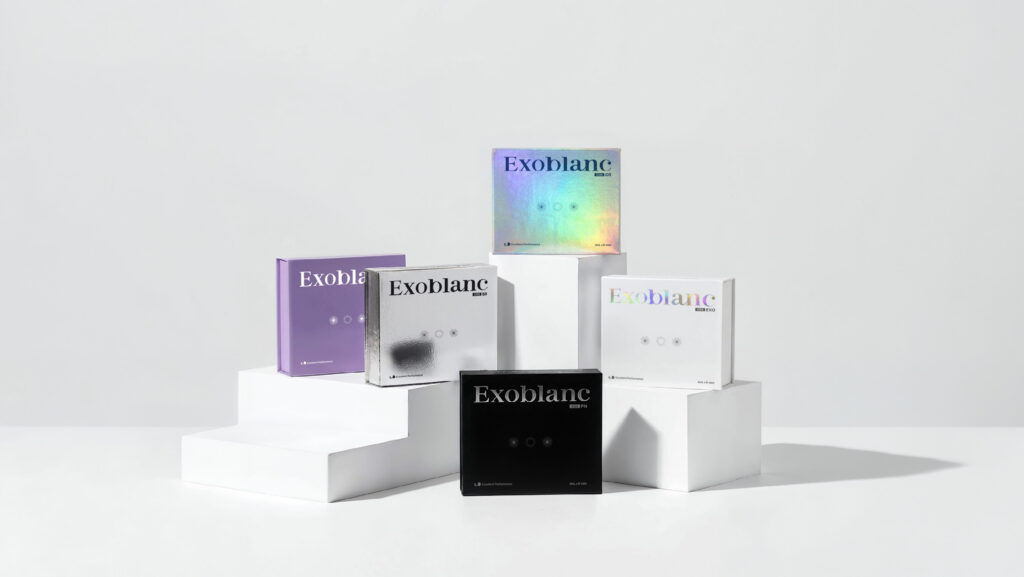
Exoblanc COS Professional Ampoules
Professional ampoule sets for glow, even-looking tone, a firmer look and comfort, matched to the patient in clinic.

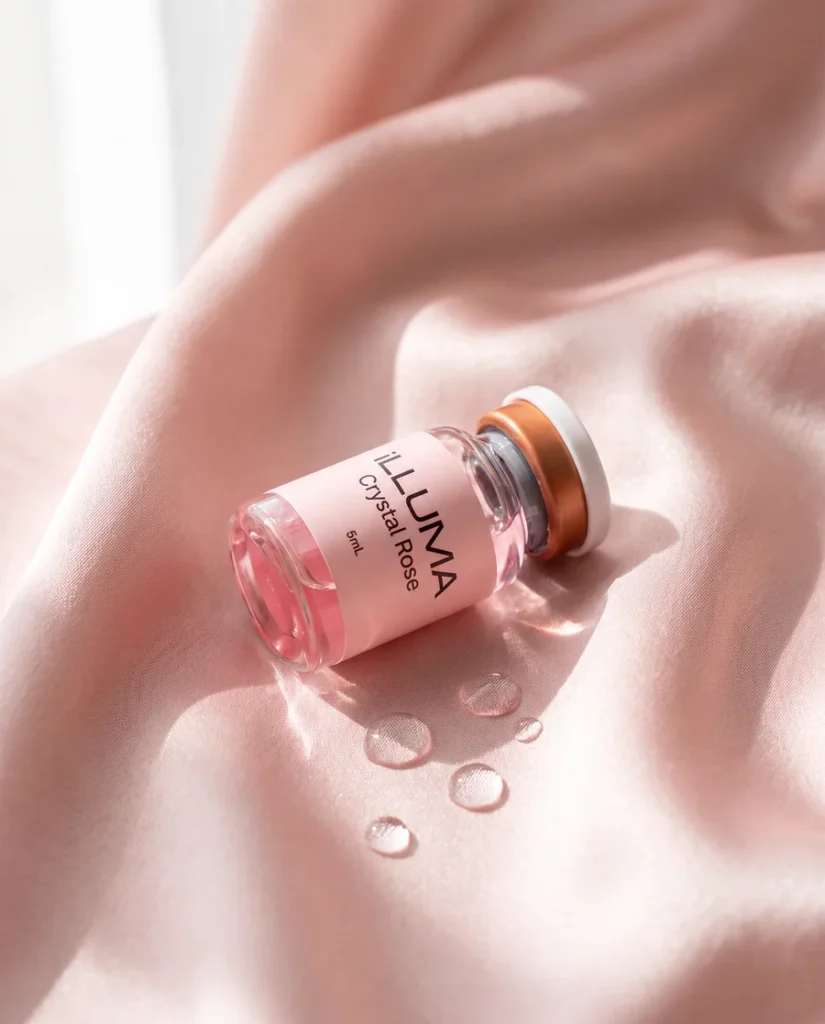
iLLUMA Crystal Rose
Concentrated topical ampoule with peptides, glutathione and hyaluronic acid for brighter, smoother-looking skin.
Frequently asked questions
Is an ampoule the same as a serum?
No. An ampoule is usually more concentrated and is often used for a set period, while a serum is a daily treatment step. The names are not regulated, so check the ingredient list.
What is the difference between essence and serum?
An essence is thinner and mainly hydrates and preps skin. A serum is thicker and built around one or two active ingredients for a specific concern.
Which comes first, ampoule or serum?
Usually serum, then ampoule, because the rule is thinnest to thickest. If the ampoule is thinner than the serum, apply it first.
Do I need essence, serum and ampoule?
Most routines only need one targeted step. Add an essence for extra hydration and an ampoule for short, focused courses.
How long should you use an ampoule?
Follow the product directions. Many ampoules are designed for a course of one to four weeks, then a break or a switch back to a daily serum.
Can you use an ampoule every day?
Many can be used daily during a course. Watch how skin responds, and do not layer several concentrated products at once.
References
- Nguyen JK, Masub N, Jagdeo J. Bioactive ingredients in Korean cosmeceuticals: trends and research evidence. J Cosmet Dermatol 2020;19(7):1555–1569. doi:10.1111/jocd.13344
- Pavicic T, Gauglitz GG, Lersch P, et al. Efficacy of cream-based novel formulations of hyaluronic acid of different molecular weights in anti-wrinkle treatment. J Drugs Dermatol 2011;10(9):990–1000.
- Manufacturer data, Exoblanc COS CR, BR, ECM and EXO: main ingredients.
- Manufacturer data, iLLUMA Crystal Rose: main ingredients (peptide, glutathione, hyaluronic acid).