Reviewed by the TRU Biologix Medical Team
Pore size is largely set by genetics, so skincare cannot change the actual size of a pore. What skincare can change is how visible pores look. Pores look bigger when they are full of oil and build-up, when the skin around them is dehydrated, and when the skin loses firmness with age. Address the cause and pores look smaller.
Key takeaways
- Pore size is mostly genetic, but how visible pores look can change a lot.
- Oil output is one of the main factors linked to how large pores look.
- Gentle cleansing and an oil-soluble exfoliant (BHA or LHA) keep pores looking clear.
- Hydrated, firm-looking skin makes pores less visible; over-stripping makes them look worse.
Why do pores look enlarged?
Pores are the openings of hair follicles, and each one is attached to an oil gland. A study measuring facial skin found that sebum output was one of the factors most closely linked to pore size. A 2023 review of options for facial pores lists the main contributors as excess oil, changes in the skin around the pore with age and sun exposure, and follicle size. More recent research in young women also linked enlarged-looking pores with a weaker skin barrier and shifts in the skin’s microbiome.
In practice, that gives four causes you can work with.
Causes and what helps
Cause
Excess oil
Shine makes pore openings catch the light and look bigger.
What helps
Gentle twice-daily cleansing and an oil-soluble exfoliant (BHA or LHA) a few times a week. Do not strip the skin; it can respond with more oil.
Cause
Build-up in the pore
Oil and dead cells collect and stretch the opening.
What helps
Regular, gentle chemical exfoliation keeps the opening clear. A PHA + LHA formula smooths texture with less sting than strong acids.
Cause
Dehydration
Tight, dehydrated skin around the pore makes texture look rougher.
What helps
Humectant layers on damp skin, then a light moisturiser. Hydrated skin reflects light more evenly.
Cause
Loss of firmness
With age, the skin around pores looks less firm, so openings look wider.
What helps
Daily sunscreen, consistent hydration and firmness-focused skincare. Professional treatments are a conversation for your provider.
The right way to cleanse oily skin
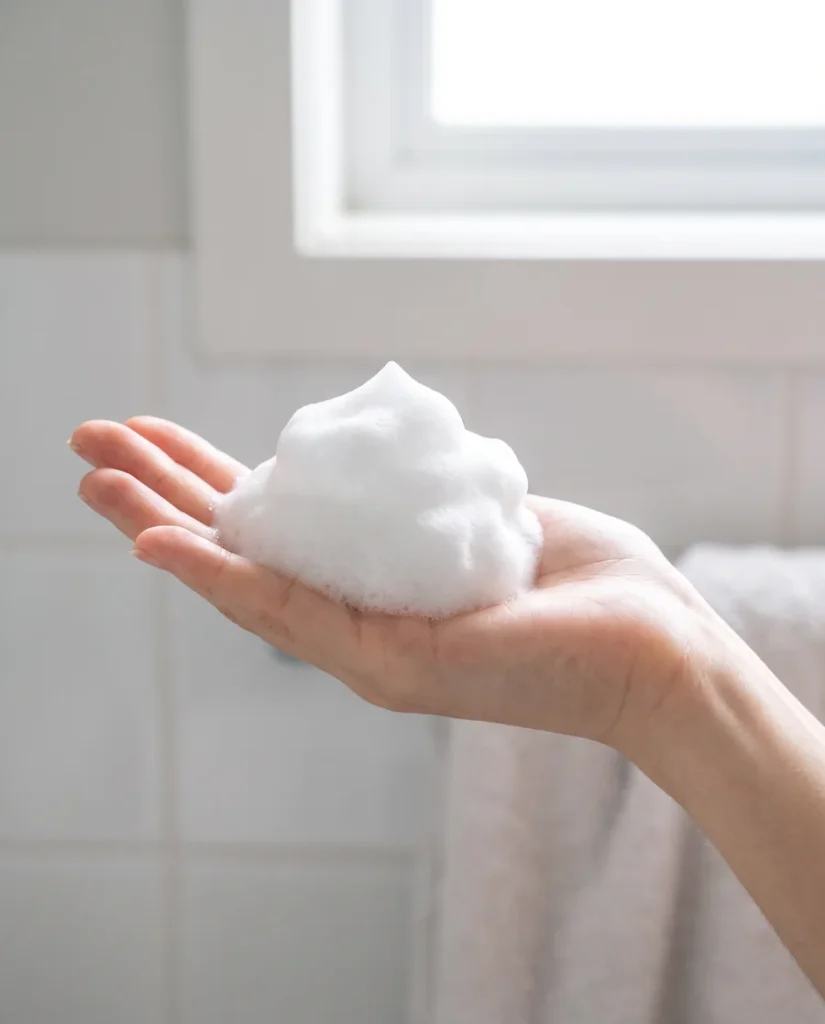
Over-cleansing is the most common pore mistake. Squeaky-clean skin feels good for a minute, then turns tight and often oilier. A dense, gentle foam lifts excess oil without stripping the barrier.
The Exoblanc Relief Bubble Cleanser works this way: a fine foam that lifts away impurities and excess sebum and leaves skin comfortable. Cleanse for about 30 seconds, rinse with lukewarm water and pat dry.
Which exfoliant works best for pores?
Oil-soluble exfoliants work where pores clog. Salicylic acid (BHA) and its slower-acting relative LHA move through oil, while water-soluble acids such as glycolic acid mostly work on the surface. For pores with sensitive skin, pairing LHA with a gentle PHA is a good balance. The Exoblanc Refine Peeling Ampoule combines PHA and LHA with a plant-derived tannin complex for refined-looking pores. Full comparison: PHA vs AHA vs BHA.
A simple routine for smaller-looking pores
Morning
Low-foam, non-stripping cleanser.
Humectant serum or toner on damp skin.
Light gel cream.
Every day; sun exposure affects how firm skin looks.
Evening
Remove sunscreen and excess oil.
PHA + LHA on clean skin.
Same humectant layer as morning.
Light cream; heavier only where dry.
Want a structure for exfoliation nights? See skin cycling.
Pore myths to drop
Myth
Pores open and close
Pores have no muscles. Steam and cold water change how they look for minutes, not their size.
Myth
Squeezing clears them
Pressure stretches the opening and irritates the skin around it, which can make pores look bigger.
Myth
Stronger acid, smaller pores
Over-exfoliating dehydrates skin, and dehydrated skin makes pores look more obvious.
Products in this article
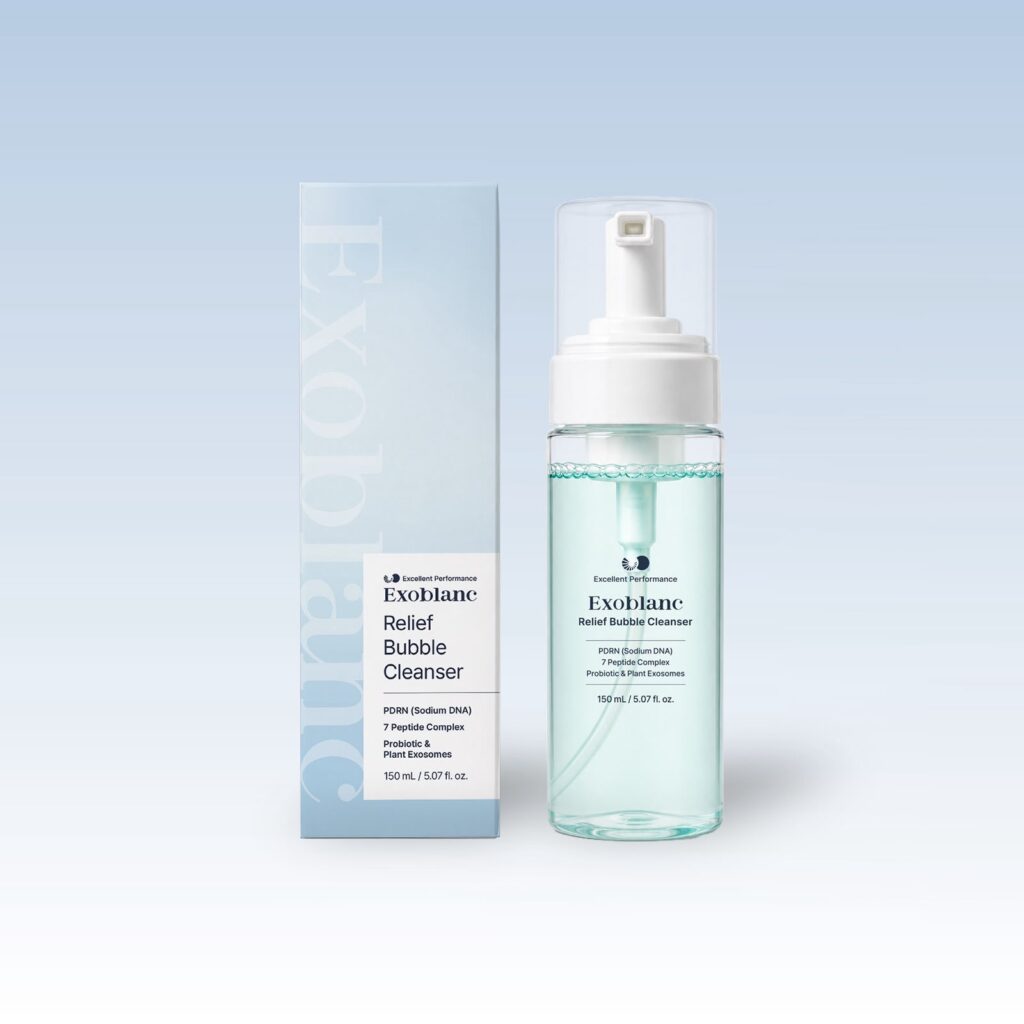
Exoblanc Relief Bubble Cleanser
Dense, gentle foam that lifts away impurities and excess sebum without leaving skin tight.
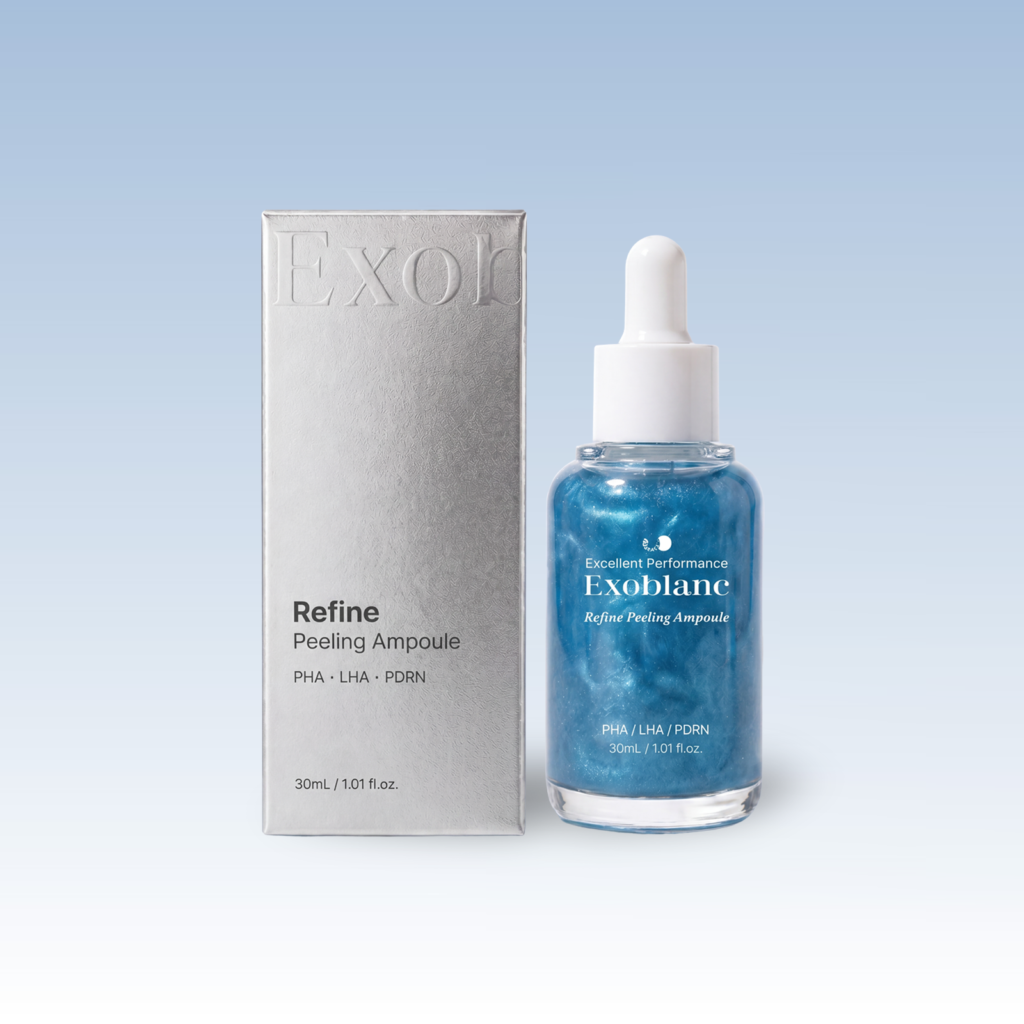
Exoblanc Refine Peeling Ampoule
PHA, LHA and a tannin complex for smoother-looking texture and refined-looking pores.
Frequently asked questions
Can you actually shrink pores?
Not their actual size, which is largely genetic. Skincare can make pores look smaller by keeping them clear, managing oil and keeping the surrounding skin hydrated and firm-looking.
Why are the pores on my nose so big?
The nose has more and larger oil glands than most of the face, so pores there tend to fill with oil and build-up more easily and catch the light. Gentle cleansing and an oil-soluble exfoliant help most here.
What ingredient is best for enlarged pores?
Oil-soluble exfoliants such as salicylic acid (BHA) or LHA, used a few times a week, alongside gentle cleansing and good hydration.
Does cold water close pores?
No. Pores do not open or close. Cold water can make skin look tighter for a few minutes, but it does not change pore size.
Do pores get bigger with age?
They often look bigger, because the skin around them becomes less firm. Daily sunscreen and consistent skincare help keep skin looking firm.
Can dehydration make pores look bigger?
Yes. Dehydrated skin looks rougher and less even, which makes pores more noticeable. Hydration helps skin reflect light more evenly.
References
- Roh M, Han M, Kim D, Chung K. Sebum output as a factor contributing to the size of facial pores. Br J Dermatol 2006;155(5):890–894. doi:10.1111/j.1365-2133.2006.07465.x
- Parvar SY, Amani M, Shafiei M, et al. The efficacy and adverse effects of treatment options for facial pores: a review article. J Cosmet Dermatol 2023;22(3):763–775. doi:10.1111/jocd.15502
- Shao L, Zhang M, Li Y, et al. Enlarged facial pores are associated with skin barrier impairment and microbiome dysbiosis in young Chinese women. Int J Cosmet Sci 2026. doi:10.1111/ics.70144
- Manufacturer data, Exoblanc Relief Bubble Cleanser and Refine Peeling Ampoule: ingredients.