Reviewed by the TRU Biologix Medical Team
Glass skin is not bad for your skin. The finish itself, skin that looks smooth, clear and luminous, is simply well-hydrated skin with a healthy moisture barrier. The problem dermatologists flagged in 2026 is the way the look is often chased online: long routines that stack exfoliating acids, strong actives and product after product until skin feels dry, tight and reactive instead of glassy.
This guide explains what changed, what over-layering does to the skin’s outer layer, and how to get a glass-skin finish with fewer, better-chosen steps.
Key takeaways
- Glass skin describes a finish (smooth, clear, luminous), not a product or a set number of steps.
- 2026 research presented at the EADV Congress found almost 95% of viral glass skin videos analysed contained misleading claims.
- Over-layering actives and over-exfoliating can leave skin dry, tight and sensitive-feeling, the opposite of glass skin.
- A short, barrier-first routine (cleanse, hydrate, moisturize, protect) is the reliable way to the look.
What is glass skin?
Glass skin is a Korean beauty term for a complexion that looks so smooth, even and hydrated that it seems to reflect light, like a pane of glass. The phrase spread internationally in the late 2010s and has stayed one of the most searched skincare terms ever since.
The important point is that glass skin is a result, not a method. The luminous look comes from a well-hydrated, smooth outer layer of skin that reflects light evenly. That is why the same finish can be reached with a three-step routine or a ten-step one, and why the number of products matters far less than whether the skin’s moisture barrier is comfortable and intact.
Why are dermatologists warning about glass skin in 2026?
The concern is about routines, not the goal. Research presented at the European Academy of Dermatology and Venereology (EADV) Congress 2026 in Vienna analysed 38 of the most viral Korean skincare and glass skin videos on TikTok. Almost 95% contained at least one potentially misleading claim, only one mentioned the risk of irritation and only two addressed sun protection, as CNN reported in October 2026.
The dermatologists quoted in that coverage made three points. Korean skincare itself is not the problem. Moisturizing and daily sunscreen, both part of most glass skin routines, are positive habits. The trouble starts when social media turns simple care into long, trend-driven routines that layer many active products, which can leave the skin uncomfortable and visibly worse rather than better.
For practices, this matters because patients arrive having already tried those routines. Many describe skin that stings when they apply products, feels tight after cleansing, or looks shiny but flaky at the same time.
What does over-layering do to the skin barrier?
The skin’s outer layer, the stratum corneum, works like a brick wall: flattened skin cells are the bricks, and a mix of lipids (ceramides, cholesterol and fatty acids) is the mortar that holds water in and keeps irritants out. Its condition largely decides how smooth and luminous skin looks.
Every exfoliating acid, retinoid, high-strength vitamin C or scrub asks something of that layer. Used one at a time, many of these ingredients improve the look of texture and tone. Stacked together, or used too often, they can strip the lipid mortar faster than skin replaces it. The visible result is the opposite of glass skin: dullness, flaking, redness, tightness and a stinging feeling when products go on.
Adding more product at that point rarely helps. What helps is fewer actives, gentler cleansing and more emphasis on hydration and lipid replenishment, so the outer layer can look and feel normal again. We cover how the barrier controls what gets in and out in more depth in our guide to the skin barrier and delivery systems.
| Routine step | Barrier-first approach | Where viral routines go wrong |
|---|---|---|
| Cleansing | One gentle, low-foam cleanser | Double or triple cleansing with stripping formulas |
| Exfoliation | Once or twice a week, one method | Acid toner, peel pads and scrubs in the same routine |
| Actives | One targeted active at a time | Retinoid, acids and vitamin C stacked every night |
| Hydration | Light hydrating layers, then a moisturizer to seal | Many watery layers but no occlusive step |
| Daytime | Broad-spectrum sunscreen every morning | Sunscreen skipped to keep the glossy look |
How do you get glass skin without overdoing it?
Keep the routine short and build it around the moisture barrier. A practical version looks like this:
- Cleanse gently. A soft, low-foam cleanser that leaves skin comfortable rather than squeaky.
- One targeted step. Choose a single active for the main concern and introduce it slowly. Add a second only once skin is settled.
- Hydrate. A lightweight hydrating serum with ingredients such as hyaluronic acid or glycerin.
- Seal. A moisturizer with barrier lipids or soothing ingredients to hold the hydration in.
- Protect. Daily broad-spectrum sunscreen; sun exposure undoes the even look faster than any missed step.

Which ingredients help the glass skin look?
The ingredients most associated with the glass skin finish are hydrators and barrier supporters rather than strong exfoliants. Humectants such as glycerin and hyaluronic acid draw water into the outer layer; ceramides and other lipids help keep it there; soothing ingredients such as centella (CICA) make skin feel comfortable.
Many current Korean formulas also feature PDRN, a DNA-derived ingredient used for hydration and a smoother, plumper look. If you are new to it, start with our introduction to PDRN in skincare. Marine spicules are another popular step, but they are a strong one and are best kept to occasional use; see spicules vs microneedling before adding them to a routine.
Is glass skin still the goal in 2026?
Glass skin remains a reference point, but the finish people are reaching for has softened. Many Korean brands and creators now talk about bloom skin: skin that looks plump, even and naturally radiant rather than reflective and wet. The shift follows the same logic as the 2026 warning, putting skin condition ahead of shine. We compare the two, along with mochi, cloud and honey skin, in bloom skin vs glass skin.
Either way, the routine that gets you there is the same: fewer stripping steps, steady hydration, a comfortable barrier and daily sun protection.
Products in this article
Exoblanc PDRN Boosting Serum
Lightweight hydrating serum with PDRN, plant exosomes and Rosa Damascena callus vesicles.
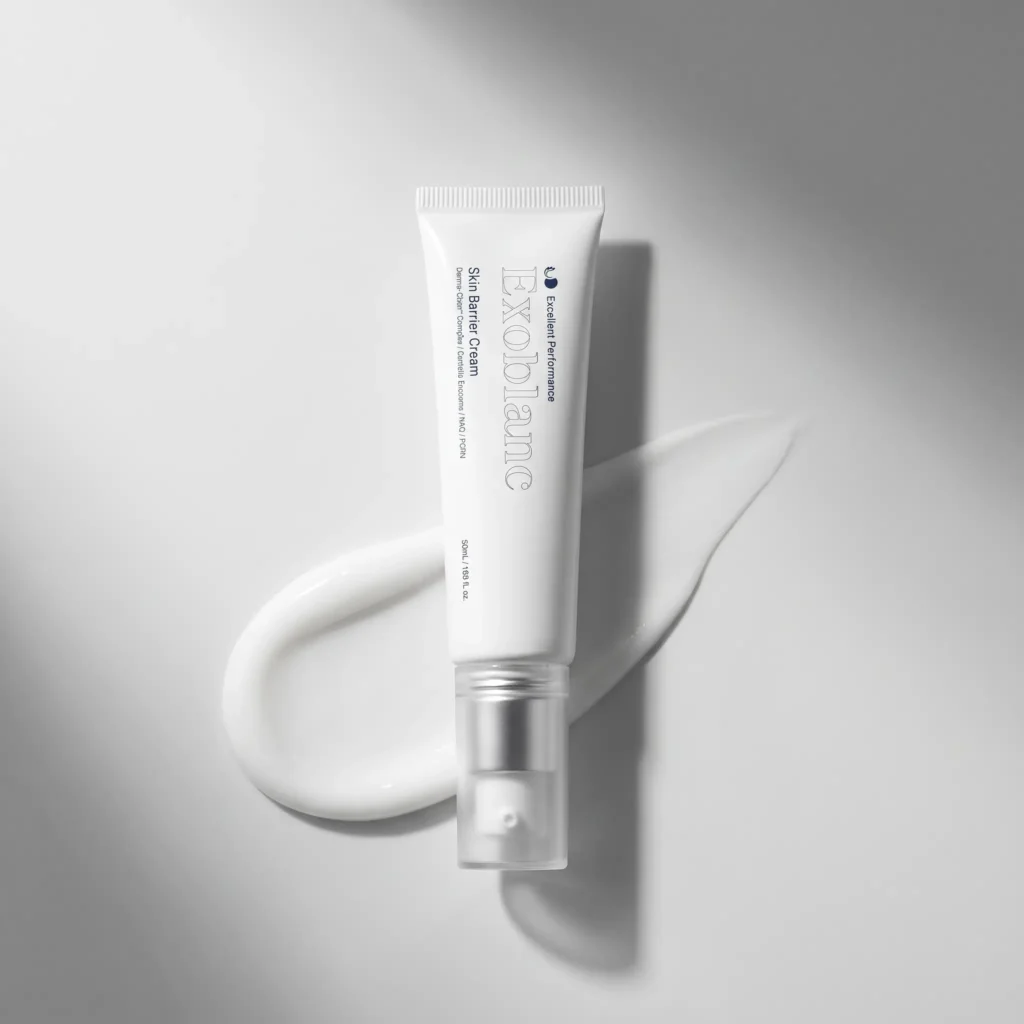
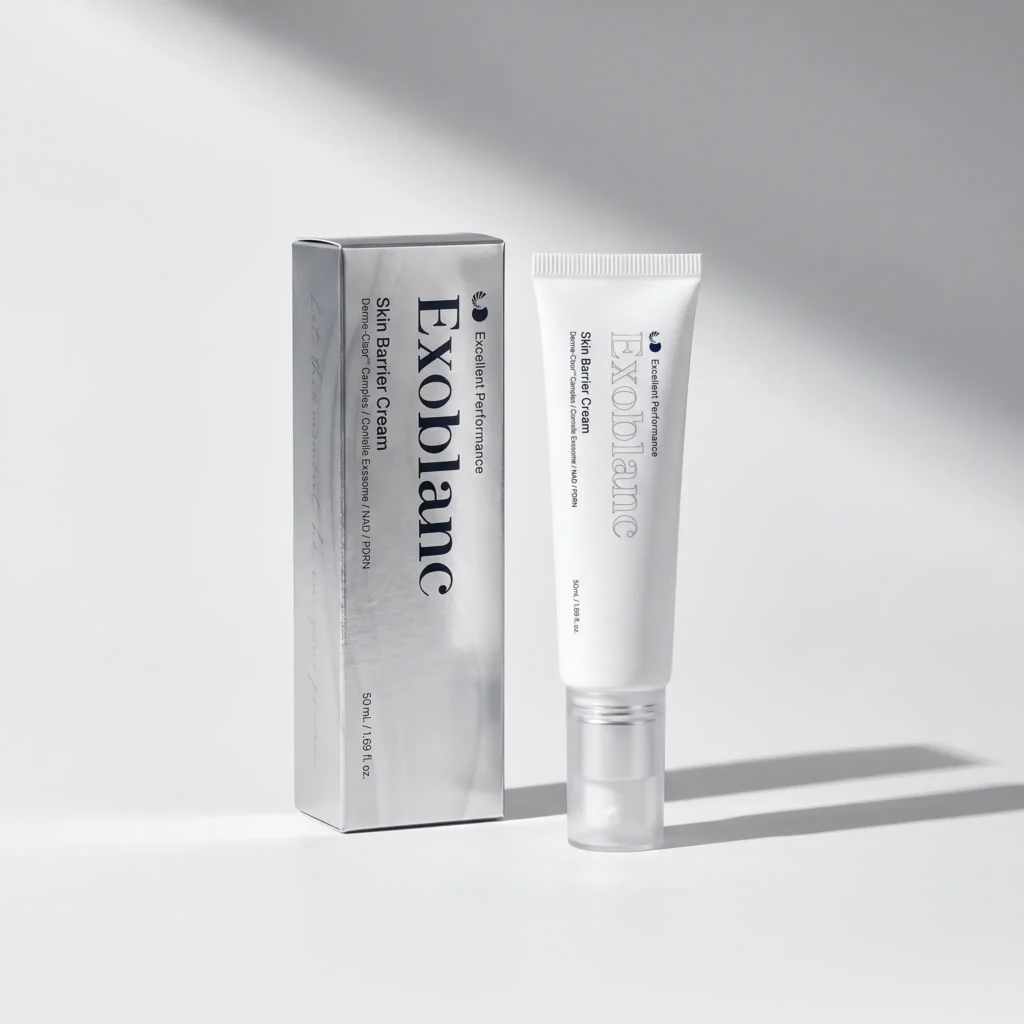
Exoblanc Skin Barrier Cream
Moisture-barrier support with NAD, PDRN, Derma-Clear and CICA-Exo in a light, non-greasy cream.
Frequently asked questions
Is glass skin healthy?
The look itself reflects well-hydrated skin with a comfortable moisture barrier, which is healthy. The concern raised in 2026 is about routines that layer too many actives or exfoliate too often, which can leave skin dry, tight and sensitive-feeling.
Do you need 10 steps to get glass skin?
No. Glass skin describes a finish, not a step count. A gentle cleanser, one targeted step, a hydrating serum, a moisturizer and daily sunscreen is enough for most people.
Can you get glass skin with oily skin?
Yes. Oily skin still needs hydration. Lighter gel textures, one gentle cleanse and avoiding over-exfoliation help skin look smooth and luminous rather than greasy.
How long does it take to get glass skin?
The outer layer of skin renews over several weeks, so most routines are judged after about a month of consistent use rather than days.
What is the difference between glass skin and dewy skin?
Dewy skin is a fresh, hydrated glow, often created partly with makeup. Glass skin describes an even more uniform, reflective smoothness that comes mainly from skincare and skin condition.
Is glass skin only for Korean or light skin tones?
No. Glass skin describes smoothness and luminosity, which any skin tone can have. The routine principles are the same for every skin tone.
References
- Proksch E, Brandner JM, Jensen JM. The skin: an indispensable barrier. Exp Dermatol 2008;17(12):1063–1072.
- Harding CR. The stratum corneum: structure and function in health and disease. Dermatol Ther 2004;17 Suppl 1:6–15.
- Verdier-Sévrain S, Bonté F. Skin hydration: a review on its molecular mechanisms. J Cosmet Dermatol 2007;6(2):75–82.
- Glass skin or barrier breakdown? Evaluating the quality and safety of viral Korean skincare routines on TikTok. Presented at EADV Congress 2026, Vienna, 30 September–3 October 2026.