Reviewed by the TRU Biologix Medical Team
PDRN and retinol are not really rivals. Retinol is one of the most researched over-the-counter ingredients for softening the look of fine lines and uneven texture, but it often causes dryness and flaking while skin adjusts. PDRN is a hydration-focused ingredient with a much smaller topical evidence base. Which is better depends on what the skin needs, and many routines use both.
This guide compares them side by side and explains how to layer them. For background on the newer ingredient, see what PDRN is and how it is used in skincare.
Key takeaways
- Retinol has the stronger evidence for softening the look of fine lines, but it commonly causes dryness and flaking at first.
- PDRN is hydration-focused, with a smaller body of topical research.
- There are no published studies comparing topical PDRN and retinol head to head.
- They can share a routine: retinol at night, PDRN as a hydrating layer, sunscreen every morning.
What is the difference between PDRN and retinol?
They come from different worlds. Retinol is a form of vitamin A, a retinoid. Research shows the skin converts it step by step into retinoic acid, and it is the retinoid most widely used in non-prescription skincare.
PDRN (polydeoxyribonucleotide) is a purified mix of short DNA fragments, usually from salmon or trout. In laboratory research its best-described mechanism is activation of the adenosine A2A receptor. In skincare it is used for skin that looks and feels hydrated, smoother and plumper.
So the honest comparison is not “which one wins” but “which job do you need done”: retinol for texture and the look of fine lines, PDRN for hydration and comfort.

PDRN vs retinol compared
| Retinol | PDRN | |
|---|---|---|
| What it is | A vitamin A derivative (retinoid) | Short DNA fragments, usually from salmon or trout |
| Main cosmetic use | Softening the look of fine lines and uneven texture | Hydrated, smoother, plumper-looking skin |
| Topical evidence | Large; decades of studies | Smaller; much of it laboratory research |
| Tolerability | Dryness, flaking or redness are common while skin adjusts | Depends on the formula; patch-test new products |
| Time of day | Evening | Morning and evening |
| Sun sensitivity | Pair with daily sunscreen | Sunscreen as usual |
Summary of published research and common product guidance; follow the directions for each product.
Which is better for fine lines and wrinkles?
On current evidence, retinol. It has decades of research behind it, and in a 2016 study, twelve weeks of a retinol formulation produced a measurable reduction in the look of facial wrinkles in image analysis.
Topical PDRN does not yet have comparable studies on the look of lines. Most PDRN research comes from the laboratory, and PDRN is a large molecule that works at the surface and in the upper layers of the skin. Where PDRN fits is hydration and comfort, which matters most for skin that is dry, tight, or not tolerating stronger actives.
Can you use PDRN and retinol together?
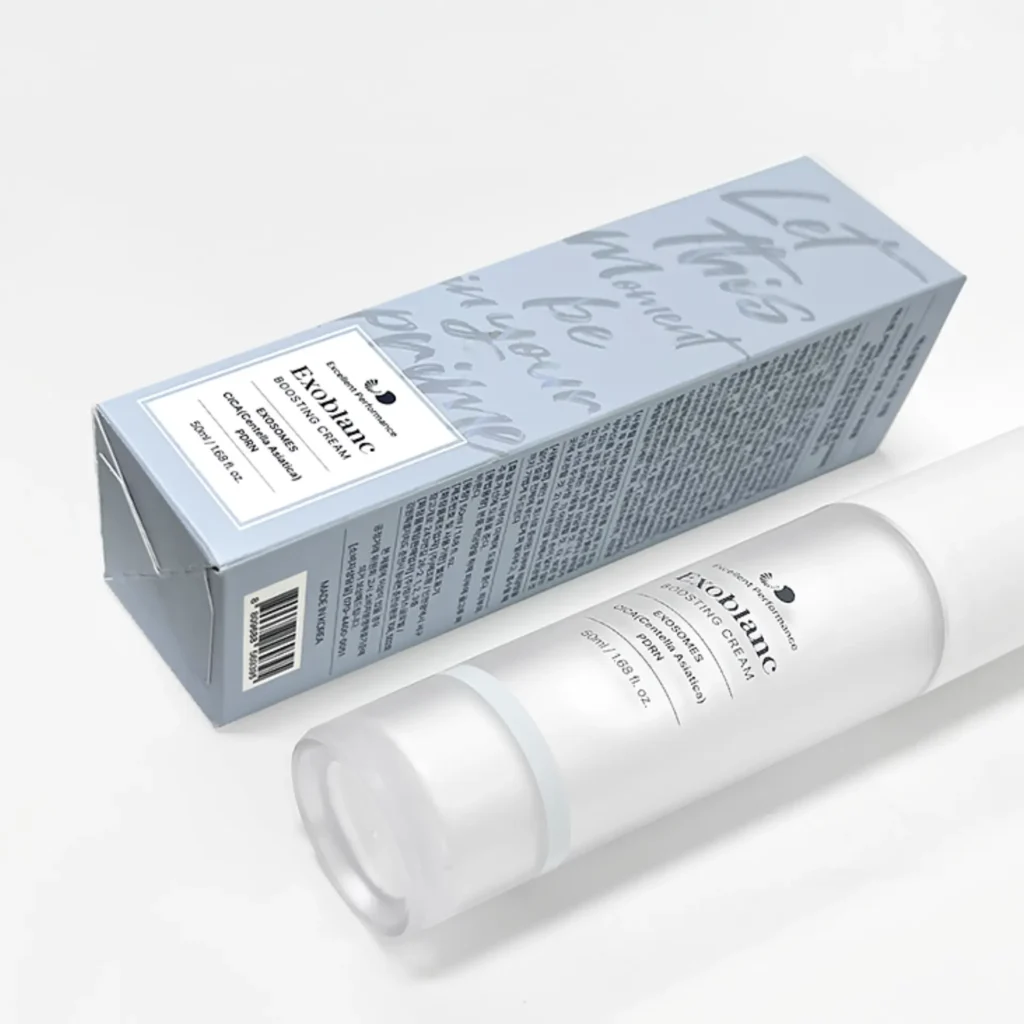
Yes. They are commonly layered in the same routine: retinol for texture, PDRN as part of the hydrating, comforting layer around it. No published studies have tested the combination directly, so the usual rules for introducing retinol still apply.
- Evening: cleanse, apply retinol to dry skin, wait a few minutes, then apply a PDRN serum and seal with a moisturiser or PDRN cream.
- Morning: PDRN serum, moisturiser and broad-spectrum sunscreen. Skip retinol in the morning.
- Start slowly: retinol two or three nights a week at first, building up as tolerated. Introduce one new product at a time.
- On off nights: a PDRN sheet mask is an easy hydration step.
PDRN vs retinol for sensitive skin
For skin that feels sensitive or reactive, the real difference is tolerability. Retinol commonly brings dryness, flaking, tightness or redness while skin adjusts, usually in the first few weeks. PDRN products are built around hydration and are generally gentle, although any new product can disagree with some skin, so patch-test first.
That makes PDRN a sensible first step for easily stressed skin, and a useful companion once retinol is introduced. If retinol is the goal, these adjustments help it sit more comfortably:
- Buffer it. Apply a moisturiser or PDRN cream first and retinol on top, or mix a drop of retinol into the cream. This softens the feel at the cost of some strength.
- Lower the frequency. Once or twice a week is a reasonable start for sensitive skin; build up only when skin feels comfortable.
- Keep the rest simple. Avoid stacking exfoliating acids, scrubs or other strong actives on retinol nights.
- Use off nights for hydration. A PDRN serum, cream or sheet mask keeps the routine moving without adding more strain.
If skin stays uncomfortable after a few weeks, pause retinol and focus on hydration. A licensed provider can suggest an alternative.
Which should you choose?
- Main goal is the look of fine lines and texture: retinol is the better-evidenced choice. Add a hydrating layer around it.
- Skin is dry, tight or easily stressed: start with hydration, including PDRN, and introduce retinol gently once skin feels comfortable.
- Around professional treatments: follow the treating provider’s instructions on pausing retinol. PDRN serums and creams are often chosen for comfort and hydration in the home routine.
- Pregnant or breastfeeding: check with a clinician before using retinoids.
The same layering logic applies to most actives. Because both PDRN and retinol work mainly at the surface, formulation matters; we cover that in how delivery systems help actives get past the skin barrier. If you are choosing between PDRN sources, see vegan PDRN vs salmon PDRN.
Products in this article

Exoblanc PDRN Boosting Serum
Lightweight PDRN serum that layers easily after retinol or under moisturiser.
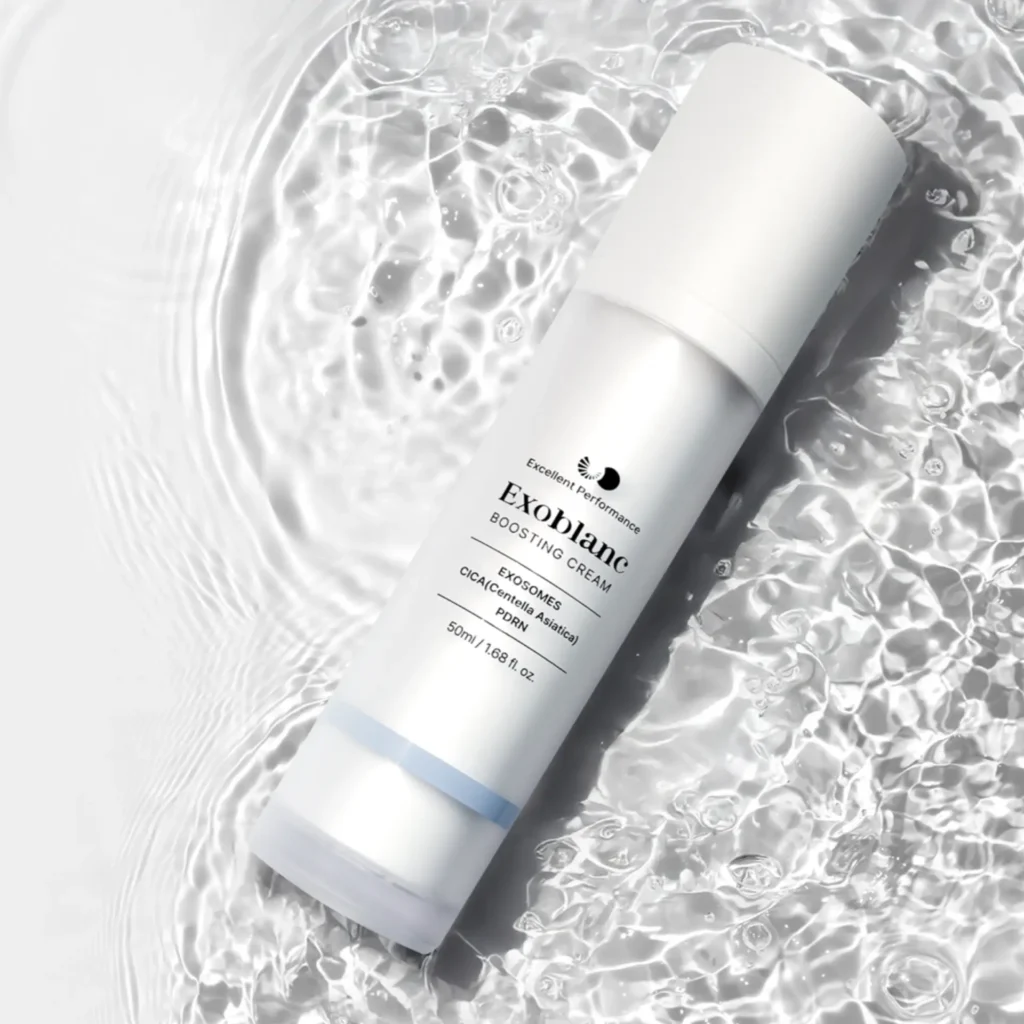
Exoblanc PDRN Boosting Cream
Daily PDRN cream for skin that feels dry or tight, morning and evening.
Frequently asked questions
Is PDRN better than retinol?
Not for the look of fine lines, where retinol has far more evidence. PDRN is focused on hydration and comfort. They do different jobs, so many routines use both.
Can I use PDRN and retinol together?
Yes. Apply retinol in the evening, then a PDRN serum and moisturiser on top. Use PDRN alone in the morning with sunscreen, and introduce retinol gradually.
Should PDRN go before or after retinol?
Retinol usually goes on clean, dry skin first, followed by a PDRN serum and a moisturiser. For sensitive skin, a cream underneath retinol softens the feel. Follow the directions for each product.
Is PDRN a good retinol alternative for sensitive skin?
Not as a like-for-like substitute for the look of fine lines. For skin that struggles with retinol, a PDRN product can be part of a hydration-focused routine, with any retinoid introduced slowly or not at all.
Can I use PDRN every day?
PDRN serums and creams are generally designed for daily use, morning and evening. Follow the product directions.
References
- Kong R, Cui Y, Fisher GJ, et al. A comparative study of the effects of retinol and retinoic acid on histological, molecular, and clinical properties of human skin. J Cosmet Dermatol 2016;15(1):49–57. doi:10.1111/jocd.12193
- Mukherjee S, Date A, Patravale V, et al. Retinoids in the treatment of skin aging: an overview of clinical efficacy and safety. Clin Interv Aging 2006;1(4):327–348. doi:10.2147/ciia.2006.1.4.327
- Zasada M, Budzisz E. Retinoids: active molecules influencing skin structure formation in cosmetic and dermatological treatments. Postepy Dermatol Alergol 2019;36(4):392–397. doi:10.5114/ada.2019.87443
- Squadrito F, Bitto A, Irrera N, et al. Pharmacological activity and clinical use of PDRN. Front Pharmacol 2017;8:224. doi:10.3389/fphar.2017.00224
- Bos JD, Meinardi MM. The 500 Dalton rule for the skin penetration of chemical compounds and drugs. Exp Dermatol 2000;9(3):165–169. doi:10.1034/j.1600-0625.2000.009003165.x
- Manufacturer data, Exoblanc PDRN Boosting Serum and PDRN Boosting Cream: formats and use.