Reviewed by the TRU Biologix Medical Team
Spicules and microneedling both open tiny channels in the skin, but they are different tools for different settings. Spicules are microscopic silica needles from sea sponges, suspended in a cream or serum and massaged into the outermost layer of the skin, at home or in a clinic. Professional microneedling uses a device operated by a licensed provider in-office, following clinical protocols.
That is why spicule products are often called “liquid microneedling”, and why the comparison is useful but not one-to-one. This guide explains the differences, what the numbers on popular spicule serums mean, and how to use spicules without overdoing it.
Key takeaways
- Spicules are silica micro-needles from sea sponges that work in the skin’s outermost layer.
- Professional microneedling is an in-office procedure performed by licensed providers with a device.
- Reedle Shot numbers (100, 300, 700) are relative strength levels within that brand’s range, not a ppm figure.
- Start spicules once a week on intact skin and pause them around in-office treatments as your provider directs.
What are spicules?
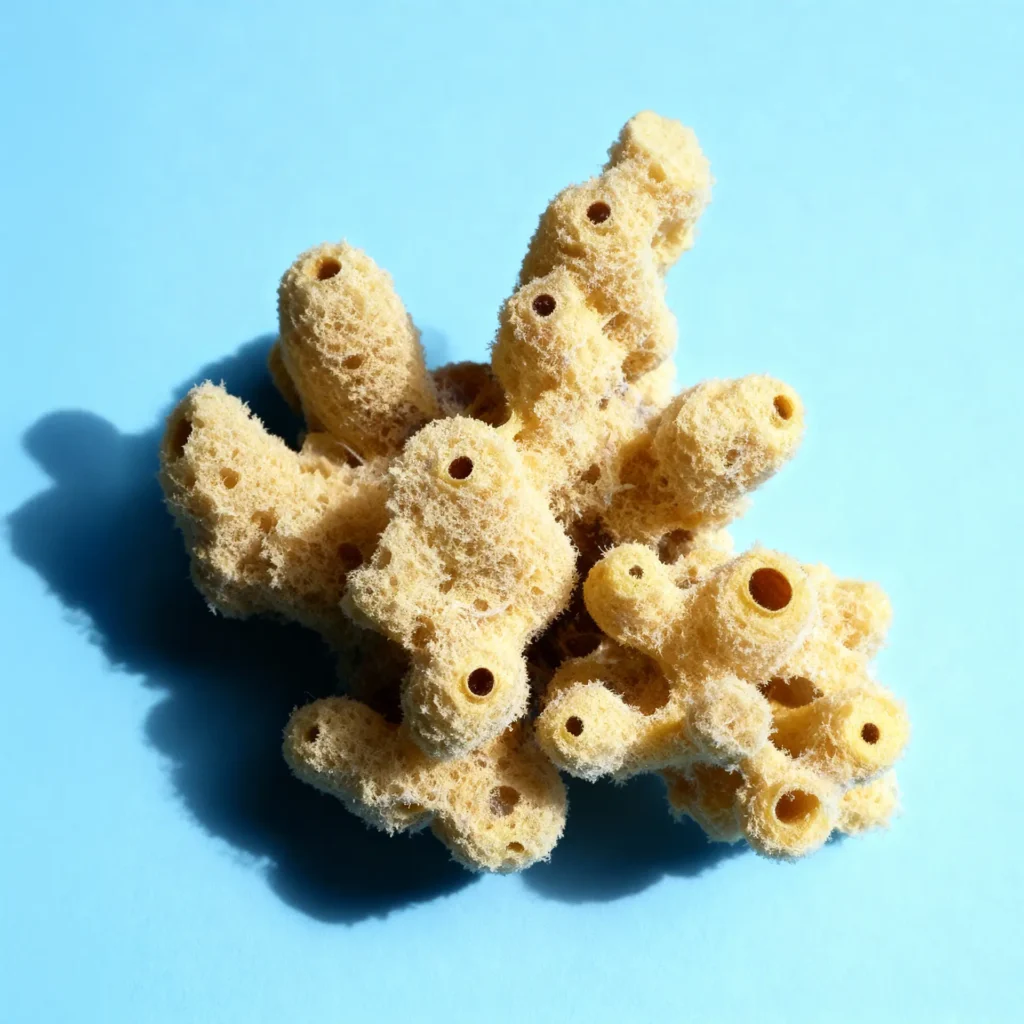
Spicules are the tiny skeletal needles of sea sponges, made mostly of silica and measured in micrometres. Purified and suspended in a cream, they appear on ingredient lists as hydrolyzed sponge.
Massaged into the skin, spicules lodge in the stratum corneum, the outermost layer, and create a very large number of microchannels. In laboratory research with Haliclona sponge spicules, researchers counted around 850 microchannels per square millimetre of skin. The spicules shed naturally with normal skin turnover. We cover the science in detail in our guide to marine spicules and liquid microneedling.
How is spicule skincare different from microneedling?
The main differences are who uses them, where, and how. Spicule skincare is a cosmetic step that works at the surface and in the upper layers of the skin. Professional microneedling is a procedure: In-office options, such as the FDA-cleared MicronJet 600 intradermal needle and the FDA-cleared Exceed Unlimited microneedling device, are used only by licensed providers and follow their own clinical protocols.
| Spicule skincare | Professional microneedling | |
|---|---|---|
| What it is | Microscopic silica needles in a cream or serum | A device creating controlled micro-channels |
| Who uses it | Patients at home, or providers in a facial | Licensed providers only |
| Setting | Home or clinic | In-office |
| Where it works | Outermost skin layer | Per the provider’s clinical protocol |
| Typical feel | Tingling or prickling for a few hours | Procedure-level, with provider aftercare |
| How often | Once a week at first, building up as tolerated | On a schedule set by the provider |
What do Reedle Shot 100, 300 and 700 mean?
Reedle Shot is a widely sold Korean spicule serum line from VT Cosmetics, and its numbers are among the most searched spicule questions. According to retailer guidance, the numbers are relative strength levels within the brand’s range: higher numbers feel more intense and are used less often. The lowest-numbered versions are positioned for beginners and more frequent use, while 300 and 700 are described as weekly or less frequent steps.
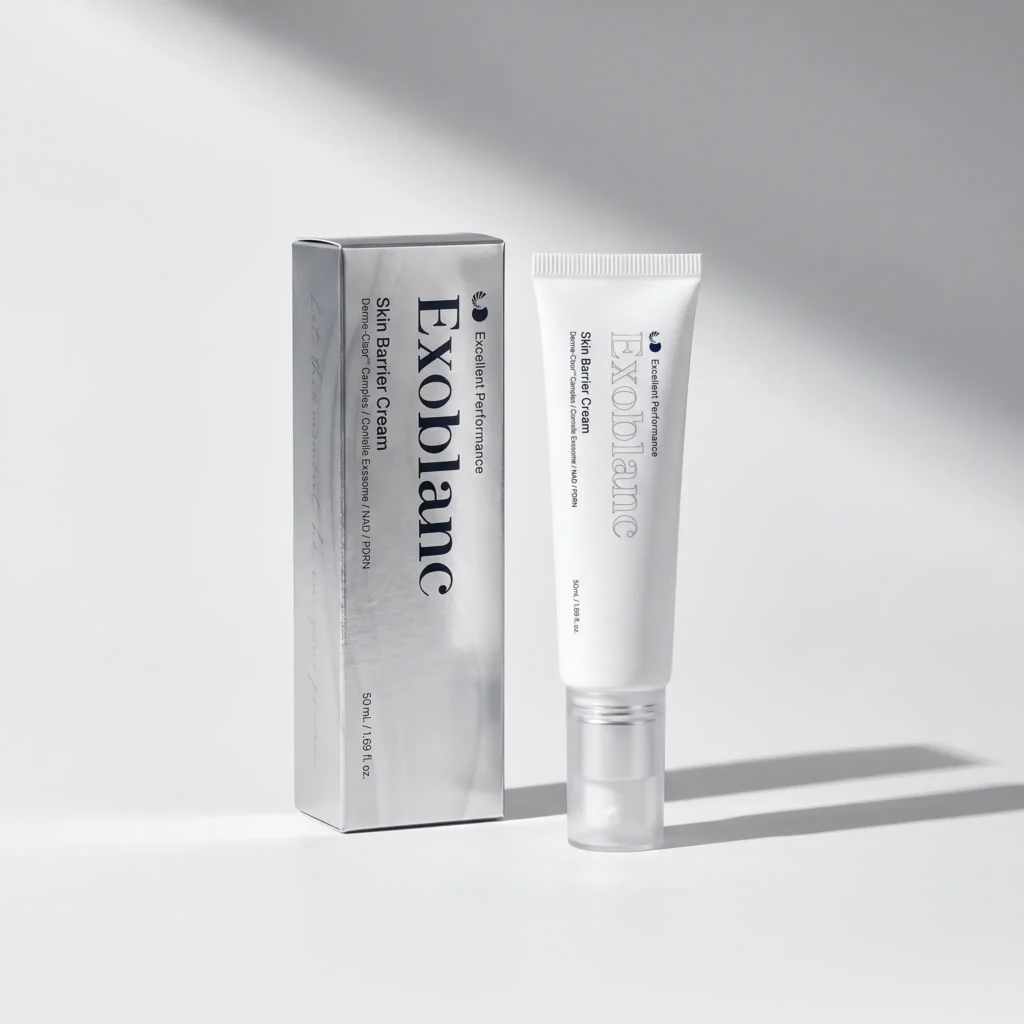
The numbers are not a published spicule concentration in parts per million (ppm), so they cannot be compared directly with products that state their spicule content. Exoblanc Spicule Cream, for example, lists 6,000 ppm of marine spicules on its product information. When comparing spicule products, look at the stated concentration where there is one, the base formula (soothing and hydrating ingredients make the step more comfortable), and the directions for frequency.

Can you use spicules and microneedling together?
Not on the same day at home. Professional microneedling follows the provider’s own protocol, including what goes on the skin before and after. At home, spicule products are usually paused around in-office treatments and reintroduced when the provider says so.
Some providers use spicule products in the weeks before a planned treatment to get skin used to a structured routine, and then move to gentle, hydrating care afterwards. Our guide to post-procedure skincare covers the home routine between treatments.
From TRU’s provider education
In a TRU Biologix provider webinar, Shelbi Weatherly, FNP, described using Exoblanc Spicule Cream for about two weeks before laser resurfacing, starting at once a week and increasing as patients tolerate it.
Upcoming sessions are listed on the TRU Biologix webinars page.
Spicules vs retinol: which should you use?
They do different jobs, so it is not either-or. Retinol is a vitamin A ingredient used for smoother-looking texture and softer-looking fine lines over months of steady use. Spicules are a weekly texture step that leaves the surface looking refined and helps the products that follow absorb into the outer layer.
Both can feel intense, so do not start them in the same week, and do not use them on the same night. A common approach is spicules on one evening a week and retinol on other evenings, with a soothing moisturizer every night. If you are weighing retinol against newer ingredients, PDRN vs retinol compares the two.
How to use spicule skincare safely
- Start slowly. Once a week, increasing as your skin tolerates it.
- Intact skin only. Avoid broken, sunburned or irritated-feeling skin and the eye area.
- Massage, don’t scrub. Gentle circular pressure for the time on the directions.
- Keep the night simple. No acids, retinoids or other strong actives on spicule nights.
- Follow with comfort. A hydrating serum and a soothing moisturizer, then sunscreen the next morning.
- Expect tingling. A prickling feeling is normal for a few hours; stop if skin feels hot or painful.
Products in this article
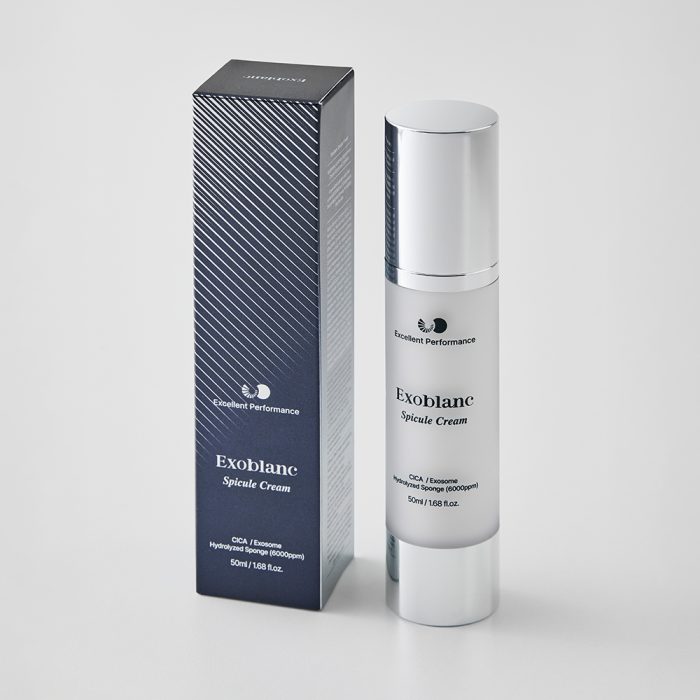
Exoblanc Spicule Cream
6,000 ppm marine spicules with CICA, exosomes and Rosa Damascena vesicles.
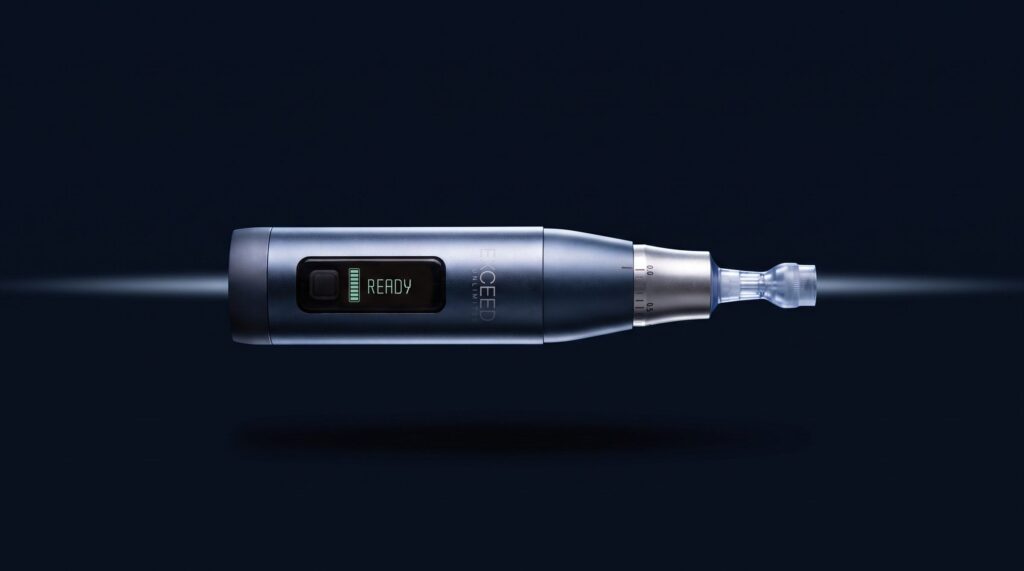
Exceed Unlimited
The FDA-cleared Exceed Unlimited microneedling device, used only by licensed providers.
Frequently asked questions
Is spicule skincare the same as microneedling?
No. Spicules are microscopic needles in a cream that work in the outermost skin layer. Professional microneedling is an in-office procedure performed with a device by licensed providers.
What does Reedle Shot 100 mean?
According to retailer guidance, the number is a relative strength level within the Reedle Shot range. It is not a published spicule concentration, and lower numbers are positioned for beginners.
How often should you use spicules?
Most people start once a week and increase gradually as skin tolerates it, always following the product directions.
Do spicules stay in the skin?
They lodge in the outer layer and are shed naturally with normal skin turnover, typically within a few days.
Can I use spicules before a professional treatment?
Only as your provider directs. Some providers include a spicule product in the weeks before a treatment and ask patients to stop beforehand.
Can you use spicules with retinol?
Not on the same night. Introduce them in different weeks and alternate evenings once skin is comfortable with both.
References
- Zhang C, Zhang K, Zhang J, et al. Skin delivery of hyaluronic acid by the combined use of sponge spicules and flexible liposomes. Biomater Sci 2019;7(4):1299–1310.
- Zhang S, Ou H, Liu C, et al. Skin delivery of hydrophilic biomacromolecules using marine sponge spicules. Mol Pharm 2017;14(9):3188–3200.
- Manufacturer data, Exoblanc Spicule Cream: marine spicule concentration and formulation.