Reviewed by the TRU Biologix Medical Team
Marine spicules are microscopic needles of silica that come from sea sponges. Massaged into the skin in a cream or serum, they lodge in the outermost layer and open thousands of tiny channels for other ingredients to travel through. That is why they are often described as “liquid microneedling” or needle-free microneedling.
Key takeaways
- Spicules are microscopic silica needles from sea sponges, usually listed as hydrolyzed sponge.
- Massaged in, they create more than 1,000 microchannels per square millimetre in the outer skin layer.
- The channels stay open until the spicules shed naturally, typically within about three days.
- Start slowly, use on intact skin, and follow with calming or regenerative actives.
What marine spicules are
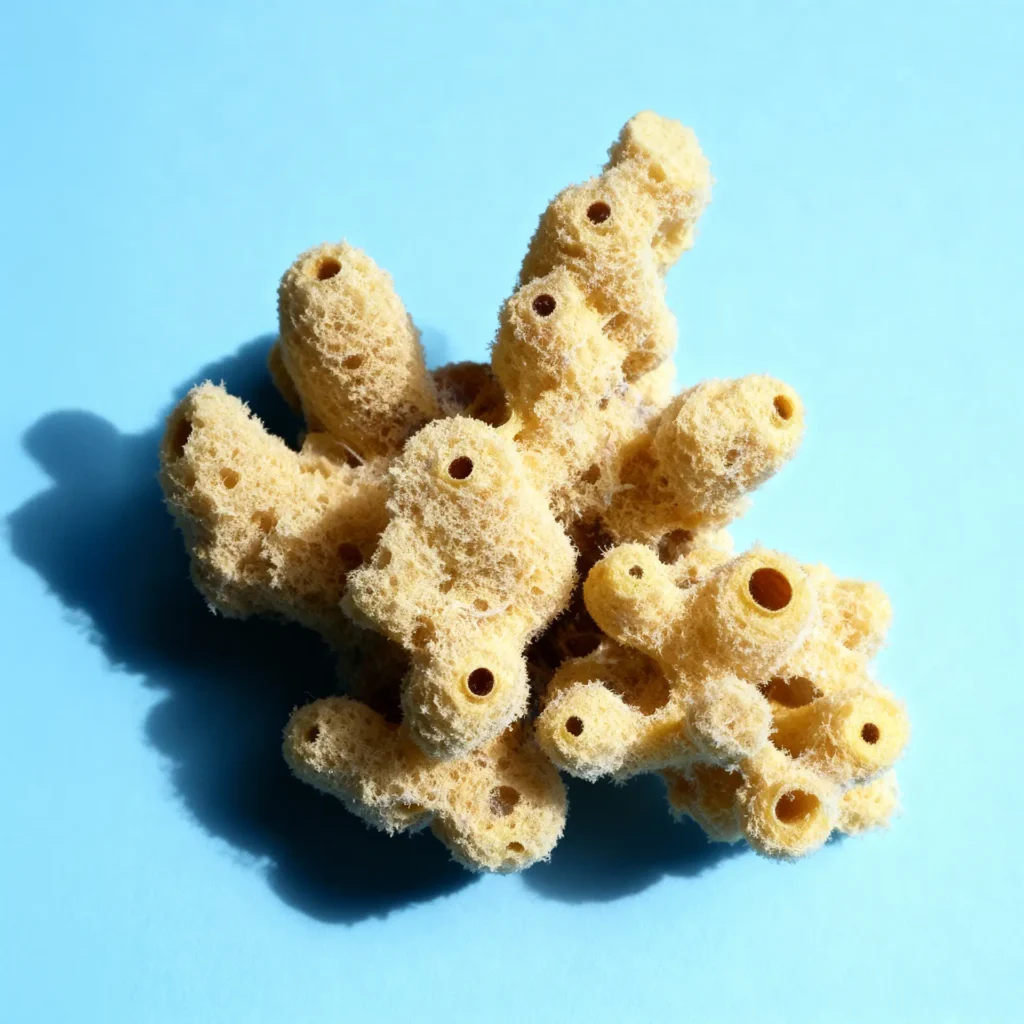
Many sea sponges build their skeletons from spicules: rigid, needle-shaped structures made mostly of silica, measured in micrometres. The species most studied for skin delivery is Haliclona sp., whose spicules are smooth and pointed at both ends, a shape well suited to slipping between the cells of the stratum corneum.
In skincare, spicules usually appear on ingredient lists as hydrolyzed sponge, purified and suspended in a cream or gel base so they can be massaged in by hand.
How spicules open a path through the skin
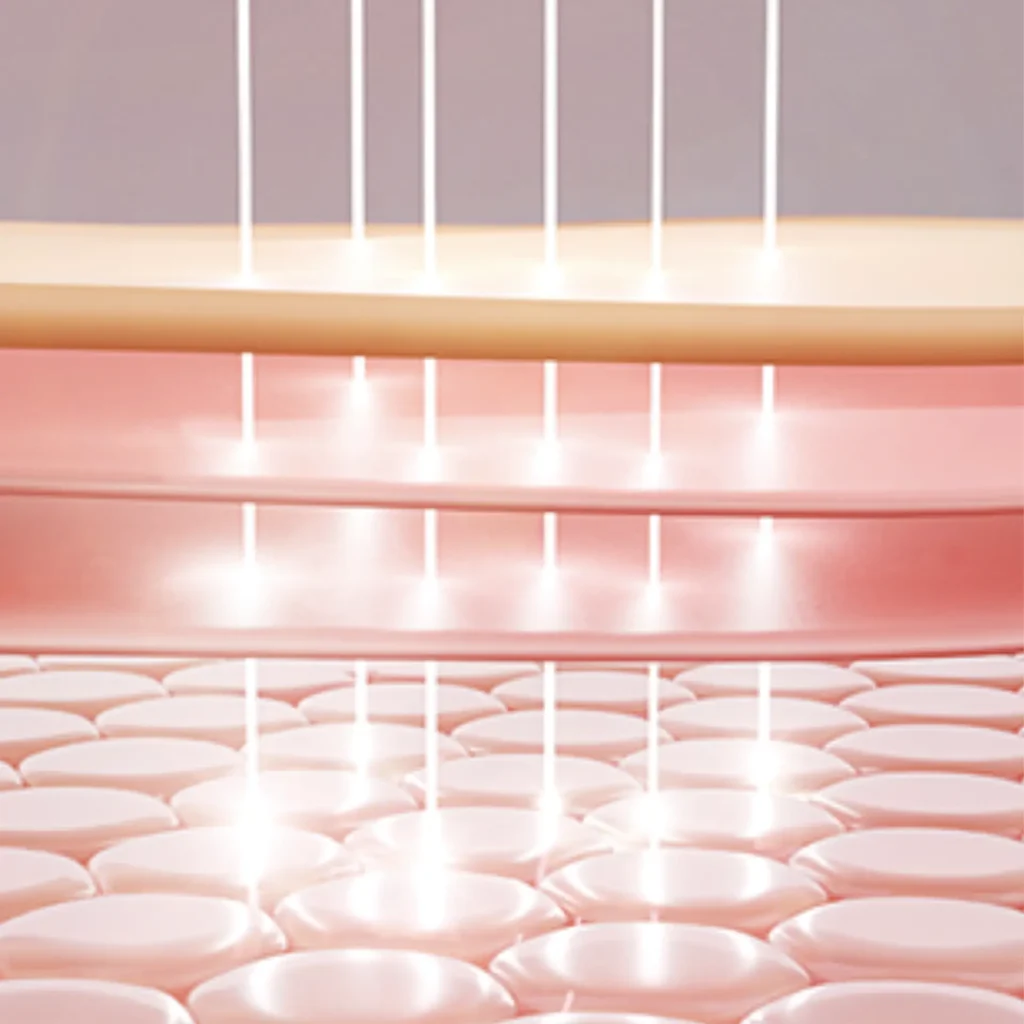
The stratum corneum is the main obstacle for most topical actives. When spicules are massaged in, they penetrate this layer and create a large number of microchannels. Researchers working with Haliclona spicules report more than 1,000 microchannels per square millimetre of skin.
Channels made by a needle tend to close quickly as the skin repairs itself. Spicules stay lodged in the stratum corneum and keep their channels open longer, then shed naturally with normal skin turnover, typically within about three days. Because they are applied in a cream, they also reach curved and uneven areas evenly.
In laboratory studies, spicules significantly increased skin delivery of large water-soluble molecules that normally barely penetrate (Zhang et al., 2017). These are laboratory results with research-grade spicules. Concentration, spicule quality and formulation all vary between commercial products.
Spicules compared with other options
Spicules sit between chemical exfoliation and in-office microneedling. They work mechanically like a needle, but at a much shallower depth and in a format patients can use at home.
| Marine spicules | Professional microneedling | Chemical exfoliation | |
|---|---|---|---|
| How it works | Micro-needles in a cream lodge in the stratum corneum | A device creates controlled micro-channels | Acids loosen and remove dead surface cells |
| Depth | Outer skin layers | Set by device and needle depth | Surface layers |
| Channel duration | Persist until shed, about 3 days | Close quickly | No channels |
| Setting | Home or clinic | In-office only | Home or clinic |
| Typical feel | Tingling or prickling | Procedure-level | Mild tingling |
Using spicules in a protocol
- Start slowly. A prickling or tingling sensation for a short time after application is normal. Begin with once-weekly use and build up as tolerated.
- Pair with what you want delivered. Spicules increase uptake of whatever follows, so follow with hydrating, calming or regenerative actives such as PDRN or polynucleotides rather than strong acids or other potentially irritating ingredients.
- Use on intact skin. Avoid broken, inflamed or freshly treated skin and the eye area, and follow the product directions.
- Plan around procedures. Spicules are often used in the weeks before an in-office treatment to condition the skin, then paused until the skin has recovered.
For a broader look at how topical delivery systems compare, see why actives struggle to cross the skin barrier.
From TRU’s provider education
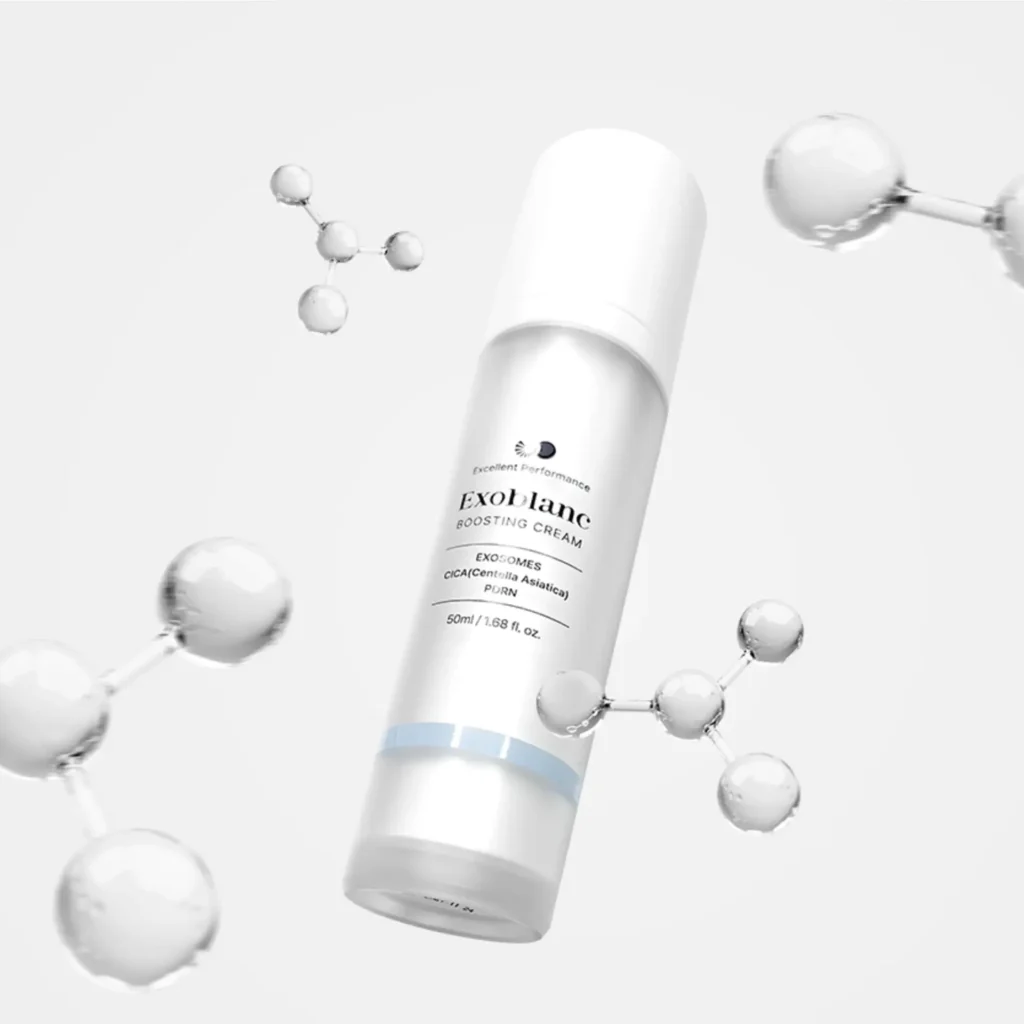
In a TRU Biologix provider webinar, Shelbi Weatherly, FNP, described using Exoblanc Spicule Cream for about two weeks before laser resurfacing, starting at once a week and increasing toward several times a week as patients tolerate it, to prepare the skin for treatment.
Upcoming sessions are listed on the TRU Biologix webinars page.
Products in this article
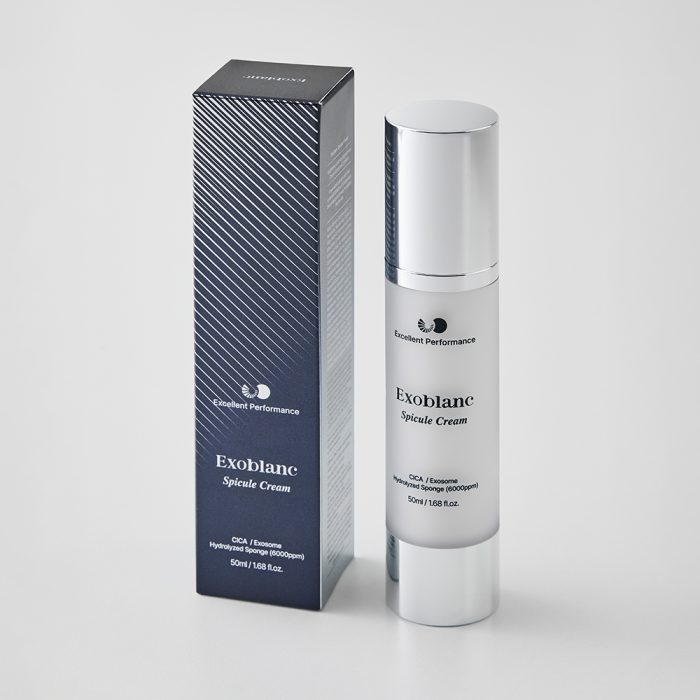
Exoblanc Spicule Cream
6,000 ppm marine spicules with CICA, exosomes and Rosa Damascena vesicles.
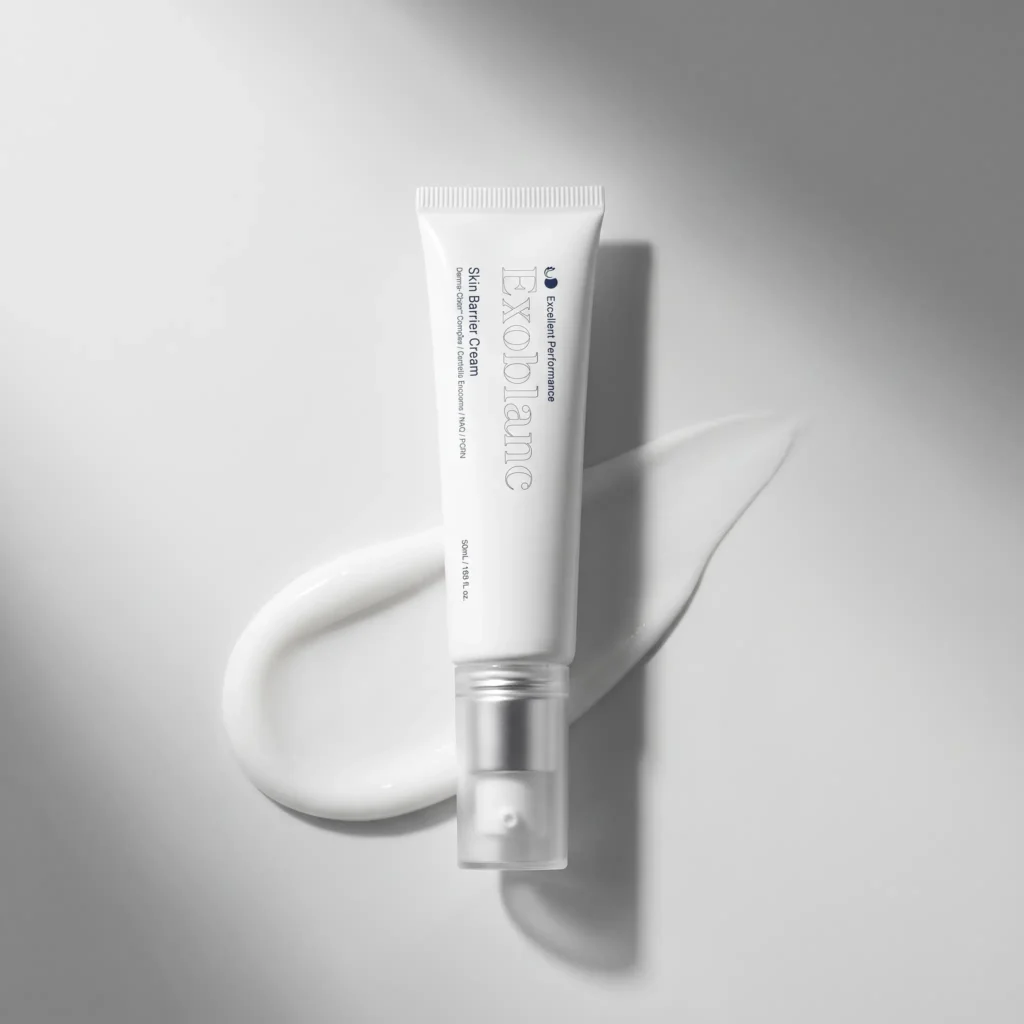
Exoblanc Skin Barrier Cream
Barrier support with Derma-Clear, PDRN, NAD and CICA-Exo.
Frequently asked questions
What is liquid microneedling?
It is a common name for skincare that uses marine spicules: microscopic silica needles from sea sponges that create microchannels in the outer skin layer when massaged in, without a needle device.
Is liquid microneedling the same as professional microneedling?
No. Professional microneedling uses a device to create controlled channels to a set depth and is an in-office procedure. Spicules work in the outer layers and can be used at home.
Do spicules stay in the skin?
They lodge in the stratum corneum and are shed naturally with normal skin turnover, typically within about three days.
Do spicule creams hurt?
Most people feel a tingling or prickling sensation for a short time after application. Starting with less frequent use helps the skin adjust.
Can spicules be combined with in-office treatments?
Yes, with planning. They are often used in the weeks before a procedure to condition the skin, then paused until the skin has recovered afterwards.
References
- Zhang S, Ou H, Liu C, et al. Skin delivery of hydrophilic biomacromolecules using marine sponge spicules. Mol Pharm 2017;14(9):3188–3200.
- Manufacturer data, Exoblanc Spicule Cream: marine spicule concentration and formulation.