Reviewed by the TRU Biologix Medical Team
After a professional treatment such as microneedling or laser resurfacing, the provider’s written aftercare comes first. Between treatments, good home care is simple: a gentle cleanser, hydrating layers, a moisturizer that supports the skin’s moisture barrier, and daily sunscreen, with stronger active products added back only when the provider says so.
This guide covers what that routine looks like, which products most providers ask patients to pause, and how practices can build home care into treatment plans so patients know exactly what to use.
Key takeaways
- The provider’s aftercare instructions always come first; general guidance never replaces them.
- Between treatments, the core routine is gentle cleanse, hydrate, moisturize and protect.
- Retinoids, acids, scrubs and spicule products are usually paused around in-office treatments.
- Daily broad-spectrum sunscreen is the single most important habit between treatments.
What should you put on your skin after a professional treatment?
Whatever the provider’s aftercare sheet says, for as long as it says. Aftercare differs between treatments and between practices, so it is the first and final word.
Once the provider clears normal home care, most routines between treatments use the same few categories of product:
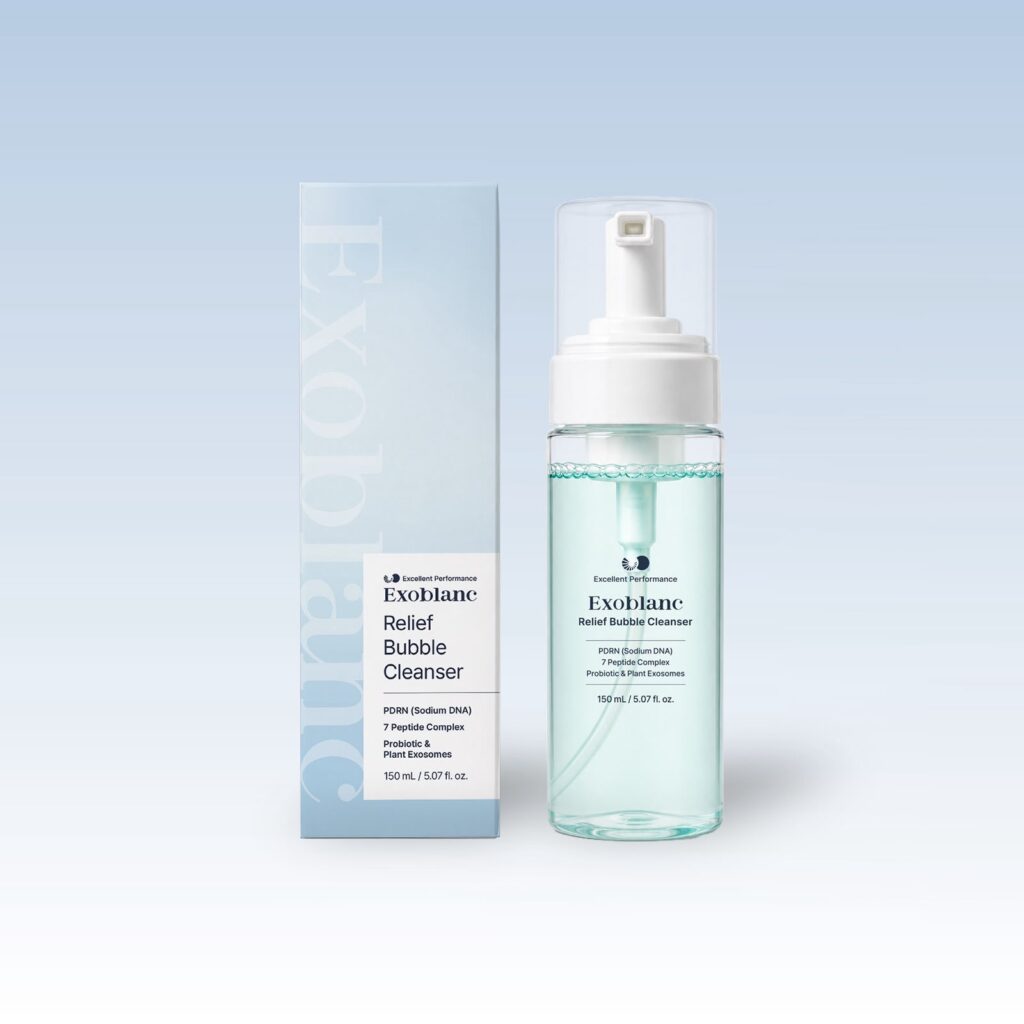
- A gentle cleanser that leaves skin comfortable, used with lukewarm water and no scrubbing.
- Hydrating layers such as serums with hyaluronic acid, glycerin or PDRN.
- A comforting moisturizer with barrier lipids or soothing ingredients such as CICA.
- Broad-spectrum sunscreen every morning, reapplied when outdoors.
What should you avoid after microneedling or other professional treatments?
Most providers ask patients to pause anything that exfoliates or feels intense until they say otherwise. Typical examples include:
- Retinoids and retinol
- Exfoliating acids (AHAs, BHAs, peel pads)
- Physical scrubs and cleansing brushes
- Spicule products, which create their own microchannels
- High-strength vitamin C and fragranced products
- Heat, saunas and intense sun exposure
Makeup timing also varies by treatment, so check with the provider. Spicules in particular are a strong step; our guide to spicules vs microneedling explains why they are kept separate from in-office treatments.
A simple home care plan by phase
Practices that give patients a written plan tend to get fewer questions and more consistent routines. A typical structure looks like this:
| Phase | Home care focus | Usually paused |
|---|---|---|
| Right after treatment | Exactly as the provider’s aftercare sheet directs | Everything not on the sheet |
| Once cleared for home care | Gentle cleanse, hydrating serum, comforting moisturizer, sunscreen | Retinoids, acids, scrubs, spicules |
| Between treatments | Core routine plus one active step at a time, weekly hydrating mask | Anything the provider flags before the next session |
| Before the next treatment | Core routine; stop actives when the provider asks | Products named on the pre-treatment instructions |
Timings vary by treatment and practice; follow the provider’s instructions.

What does a good between-treatments routine look like?
Short and repeatable. Morning: gentle cleanse, hydrating serum, moisturizer, sunscreen. Evening: gentle cleanse, hydrating serum, moisturizer, plus one active step on the nights the provider allows.
Hydration is the focus because comfortable, well-hydrated skin looks smoother and more even. PDRN serums and creams are popular in this role in Korean-style home care; see what PDRN is in skincare. A weekly sheet mask adds a burst of hydration, and a barrier-supporting cream helps skin that feels dry or tight.
Add active steps back one at a time, a week or so apart, so it is easy to tell if something does not suit the skin.
How practices build home care into treatment plans
Home care is where treatment plans succeed or stall. Patients who leave with a short written routine and the products to follow it are more likely to stay consistent between appointments, and less likely to reach for whatever is trending online. In-office options, such as the FDA-cleared MicronJet 600 intradermal needle and the FDA-cleared Exceed Unlimited microneedling device, are used only by licensed providers and follow their own clinical protocols.
Home care sits around those protocols, not inside them. The practical steps are to keep the routine to four or five products, write down which products to pause and when, and review the routine at each visit.
From TRU’s provider education
In a TRU Biologix provider webinar, Shelbi Weatherly, FNP, described building Exoblanc PDRN serum and boosting cream into patients’ home care around laser resurfacing, and using Exoblanc Spicule Cream for about two weeks beforehand, starting at once a week.
Upcoming sessions are listed on the TRU Biologix webinars page.
Why sunscreen matters most between treatments
Of every habit in a between-treatments routine, daily sunscreen does the most to keep skin looking even. UV exposure is a major driver of uneven-looking tone, and freshly treated skin is often more sensitive to the sun. A broad-spectrum SPF 30 or higher every morning, reapplied outdoors, protects the investment in every in-office session. For the barrier-first thinking behind a short routine, see is glass skin bad for your skin?
Products in this article
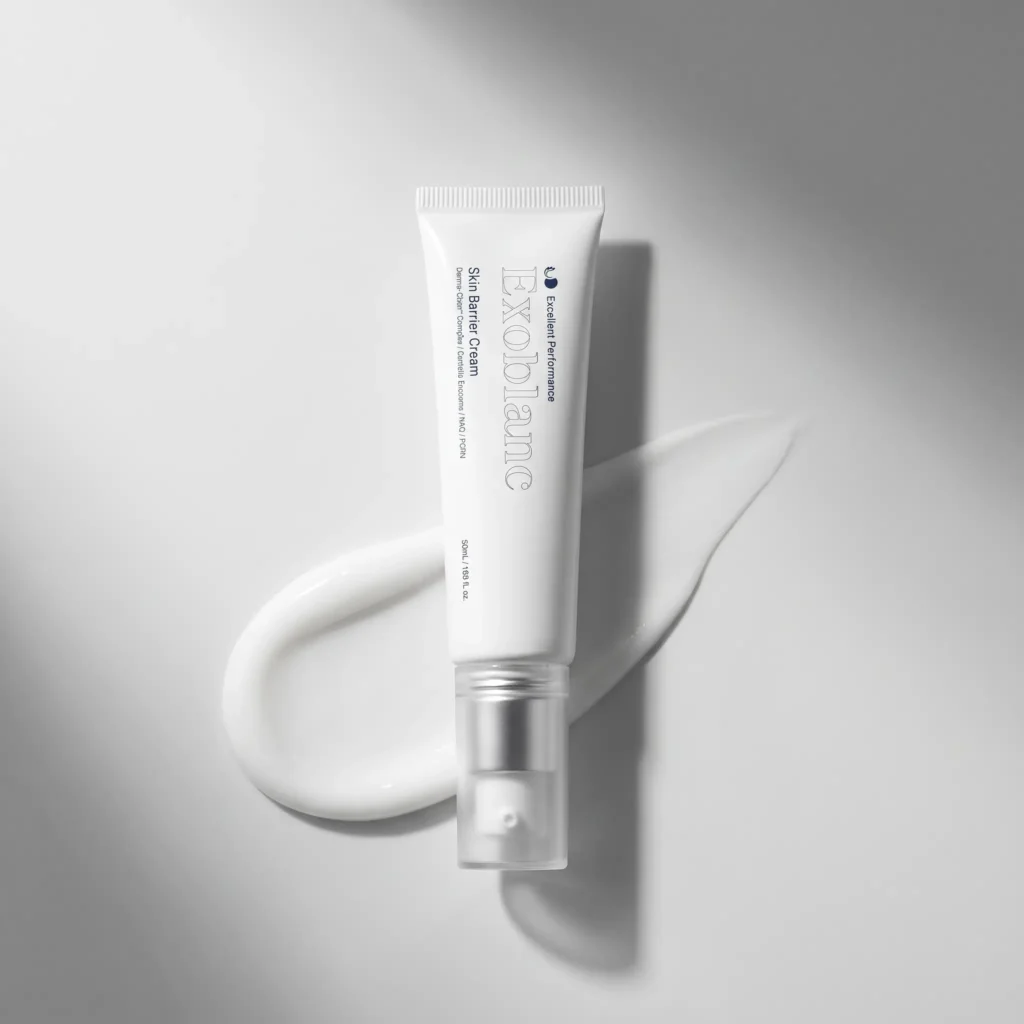
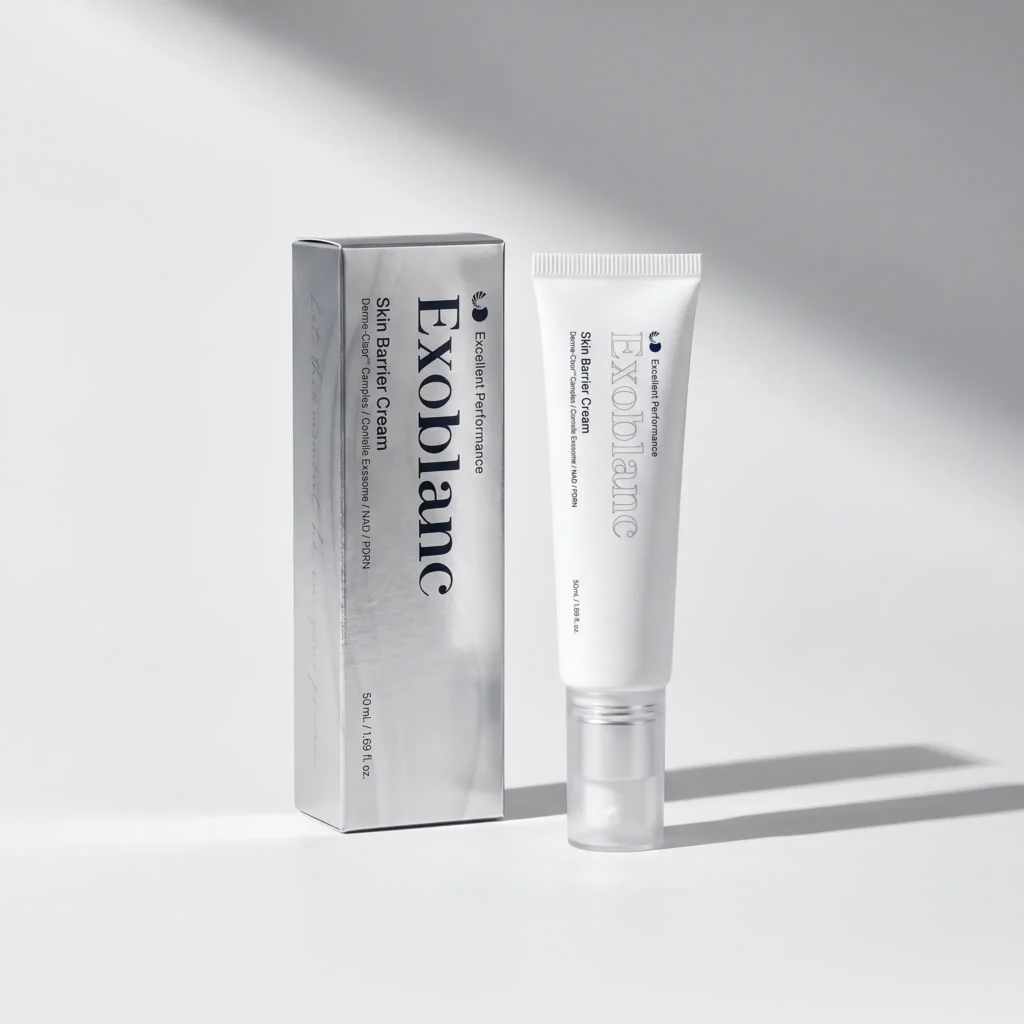
Exoblanc Skin Barrier Cream
Moisture-barrier support with NAD, PDRN, Derma-Clear and CICA-Exo in a light, non-greasy cream.

Exoblanc PDRN Boosting Serum
Lightweight hydrating serum with PDRN, plant exosomes and Rosa Damascena callus vesicles.
Frequently asked questions
When can I use skincare after microneedling?
Follow your provider’s aftercare instructions. Many providers recommend only a gentle cleanser and simple hydrating products at first, with active products added back later.
Can I use vitamin C after a professional treatment?
Most providers ask patients to pause high-strength vitamin C and other strong actives at first. Ask your provider when to restart.
Should I use sunscreen after a professional treatment?
Yes. Daily broad-spectrum sunscreen is one of the most important parts of home care between treatments, since treated skin is often more sensitive to the sun.
Can I use PDRN skincare between treatments?
PDRN serums, creams and masks are commonly included in home care between treatments for hydration and comfort, once the provider clears normal home care.
When can I wear makeup after a professional treatment?
It depends on the treatment. Your provider will tell you when makeup is fine to use again.
When can I restart retinol after microneedling?
Only when your provider says so. Retinoids are usually paused around in-office treatments and reintroduced gradually.
References
- Proksch E, Brandner JM, Jensen JM. The skin: an indispensable barrier. Exp Dermatol 2008;17(12):1063–1072.
- Purnamawati S, Indrastuti N, Danarti R, Saefudin T. The role of moisturizers in addressing various kinds of dermatitis: a review. Clin Med Res 2017;15(3-4):75–87.
- Verdier-Sévrain S, Bonté F. Skin hydration: a review on its molecular mechanisms. J Cosmet Dermatol 2007;6(2):75–82.