Reviewed by the TRU Biologix Medical Team
Copper peptides are small peptides bound to copper, and the best known is GHK-Cu, listed on ingredient labels as copper tripeptide-1. In skincare they are used for skin that looks firmer, smoother and more even, and they are generally gentle enough for sensitive-feeling skin. The research is promising but mostly laboratory-based, so the honest pitch is a well-tolerated supporting step, not a replacement for sunscreen or a retinoid.
Key takeaways
- GHK-Cu is a naturally occurring tripeptide that binds copper; on labels it appears as copper tripeptide-1.
- Most of the evidence comes from laboratory and gene-expression research, plus small cosmetic studies on the look of fine lines and firmness.
- Copper peptides are usually gentler than retinol, so many people use them on the nights they skip a retinoid.
- Use them on clean skin before moisturiser, and keep strong acids and vitamin C to a different time of day.
What are copper peptides?
Copper peptides are short chains of amino acids that hold a copper ion. The one in most formulas is GHK (glycyl-L-histidyl-L-lysine), a tripeptide first identified in human plasma in the 1970s that readily binds copper to form GHK-Cu.
Researchers became interested because natural GHK levels are higher in young people than in older adults. That observation, and decades of laboratory work since, is why the ingredient moved into creams and serums. In its pure form GHK-Cu is a striking blue, which is why many copper peptide serums are tinted blue.
What does the research say about copper peptides?
Most of it is laboratory research, and it is worth reading that way. Reviews by Pickart and colleagues describe GHK-Cu as a peptide that, in cell and gene-expression studies, influences many pathways linked to skin structure and protection. Small cosmetic studies of copper peptide creams have reported improvements in the look of fine lines, firmness and skin density, but they were small and are now dated.
Strongest evidence
Laboratory and gene-expression research on GHK and GHK-Cu.
Supporting evidence
Small cosmetic studies of creams on the look of fine lines and firmness.
Still missing
Large, independent, long-term studies of topical copper peptide products.
Bottom line
A gentle, well-tolerated step with plausible benefits, not a proven powerhouse.
Laboratory findings describe what an ingredient does in cells, not what a finished product does on your face.
Copper peptides vs retinol vs vitamin C
They are not rivals; they do different jobs. Retinol has the deepest evidence base for the look of fine lines but can be irritating at first. Vitamin C is the classic antioxidant for brighter-looking skin. Copper peptides sit between them: gentler than retinol and focused on the look of firmness and smoothness.
| Copper peptides (GHK-Cu) | Retinol | Vitamin C | |
|---|---|---|---|
| Main role | Firmer, smoother-looking skin | Smoother texture, softer-looking fine lines | Brighter, more even-looking tone |
| Evidence depth | Mostly laboratory, small cosmetic studies | Extensive | Extensive |
| Typical feel | Gentle; little irritation for most | Dryness and flaking at first | Can tingle, depending on the form |
| Best time | Evening (or morning) | Evening only | Morning, under sunscreen |
| Good partner for | Retinol on alternate nights | Copper peptides, barrier creams | Sunscreen, niacinamide |
Sources: Pickart 2015 and 2018 reviews. Individual products vary with strength and formula.
How to use copper peptides in a routine
Think of copper peptides as one targeted step and keep everything around them simple.
Cleanse gently
Start with a mild cleanser and pat skin dry.
Apply the copper peptide step
A few drops of serum or an ampoule on clean skin, pressed in with the fingertips.
Moisturise
Seal with a barrier-supporting cream so the skin stays comfortable.
Space out strong actives
Use exfoliating acids and vitamin C at a different time of day, and alternate nights with a retinoid.
Protect in the morning
Daily broad-spectrum sunscreen does more for the look of firmness over time than any single serum.
If you already rotate actives, copper peptides fit neatly into the recovery nights of a skin cycling routine. For how vitamin C compares with other tone-focused ingredients, see tranexamic acid vs vitamin C.
Copper peptides in professional skincare
Copper peptides now appear in professional ampoules as well as retail serums, usually paired with hydrators. Exoblanc COS RE is one example: a professional ampoule that combines copper tripeptide-1 with PDRN, sodium hyaluronate, niacinamide and adenosine, designed for skin that feels tired and dry after frequent professional treatments. It is a topical cosmetic for beautification purposes only.
Between in-office visits, a short routine built around hydration and a comfortable moisture barrier keeps skin looking its best; our guide to skincare between professional treatments covers what to use.
Who should be careful with copper peptides?
Most people tolerate them well, but a few cautions apply. Patch test any new product first, particularly if your skin reacts easily. Avoid layering several new actives at once, so you can tell what suits your skin. And read social media claims with a sceptical eye: a cosmetic serum is about how skin looks and feels, and the research behind copper peptides is still developing. For the wider idea of keeping skin healthy-looking over decades, read what skin longevity means.
Products in this article
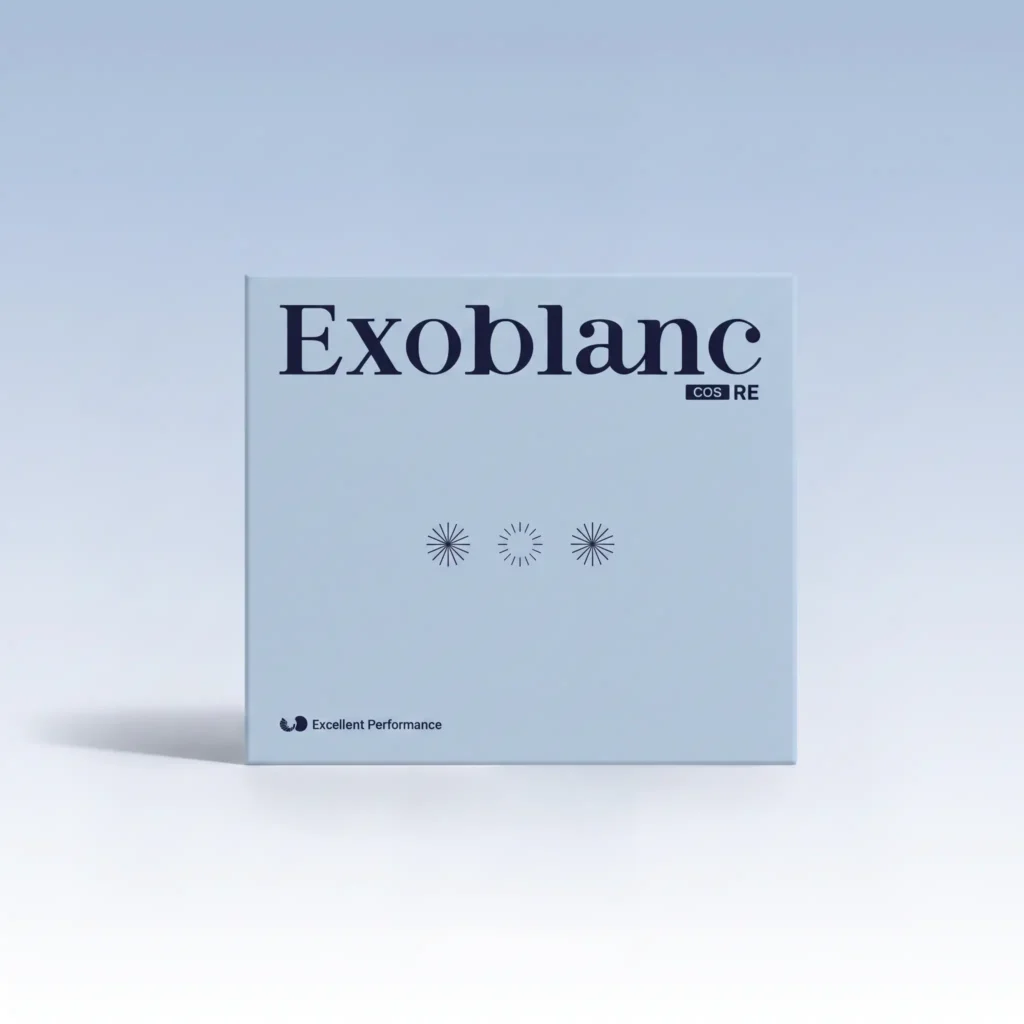
Exoblanc COS RE
Professional ampoule with copper tripeptide-1, PDRN, sodium hyaluronate and niacinamide.
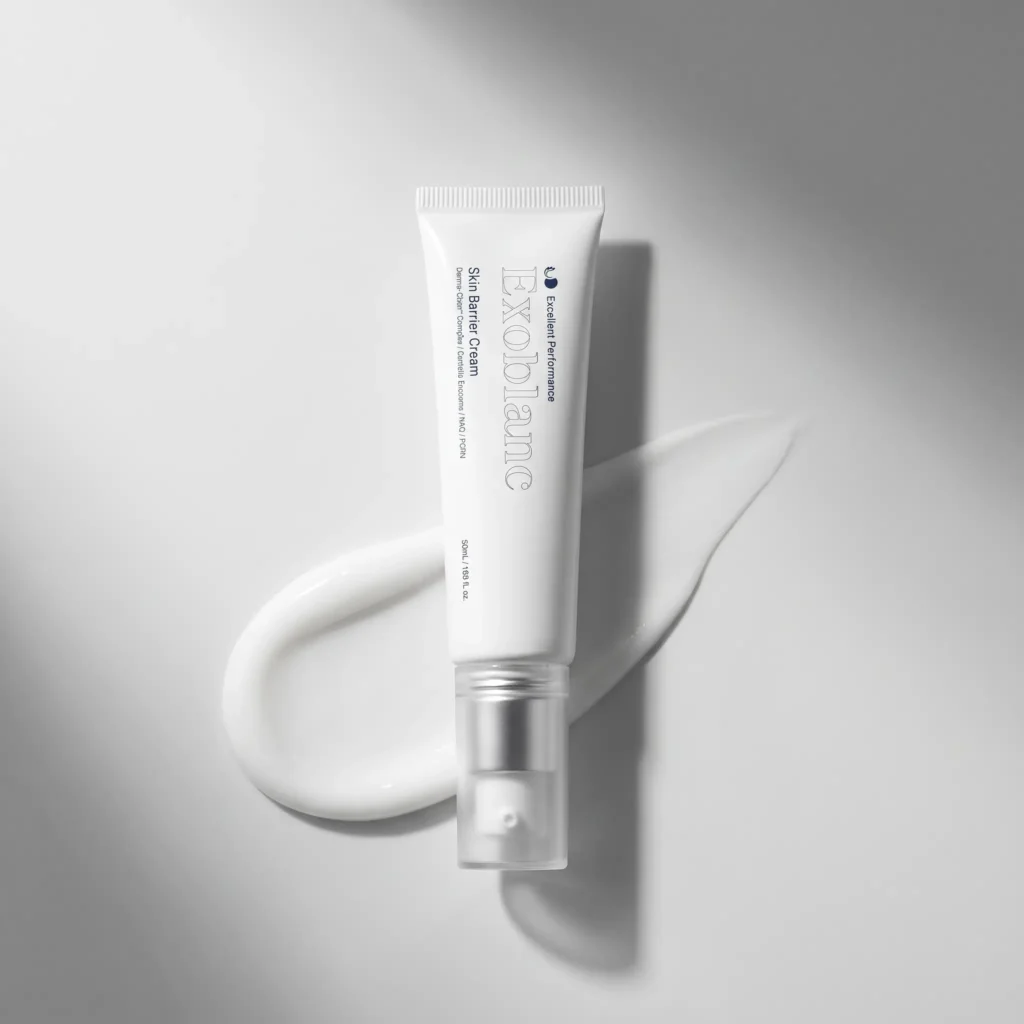
Exoblanc Skin Barrier Cream
Light, non-greasy cream with NAD, PDRN and CICA-Exo to support the moisture barrier.
Frequently asked questions
What do copper peptides do for skin?
Copper peptides such as GHK-Cu are used for firmer, smoother and more even-looking skin. Most of the evidence is from laboratory research, with small cosmetic studies on the look of fine lines and firmness.
Is GHK-Cu the same as copper tripeptide-1?
Yes. Copper tripeptide-1 is the ingredient-label name for GHK-Cu, the copper-bound form of the GHK peptide.
Can I use copper peptides with retinol?
Yes, but most people alternate them: retinol on some evenings and copper peptides on others. This keeps the routine gentle while you see how your skin responds.
Can I use copper peptides with vitamin C?
Use them at different times of day to keep things simple, for example vitamin C in the morning under sunscreen and copper peptides in the evening.
Are copper peptides good for sensitive skin?
They are generally well tolerated and gentler than retinoids. Patch test first and introduce one new product at a time.
How long do copper peptides take to work?
Give any new step about eight to twelve weeks of consistent use before judging it, since the look of firmness and texture changes slowly.
References
- Pickart L, Vasquez-Soltero JM, Margolina A. GHK Peptide as a Natural Modulator of Multiple Cellular Pathways in Skin Regeneration. Biomed Res Int 2015;2015:648108.
- Pickart L, Margolina A. Regenerative and Protective Actions of the GHK-Cu Peptide in the Light of the New Gene Data. Int J Mol Sci 2018;19(7):1987.
- Hughes MC, Williams GM, Baker P, Green AC. Sunscreen and prevention of skin aging: a randomized trial. Ann Intern Med 2013;158(11):781–790.
- Manufacturer data, Exoblanc COS RE: main ingredients (copper tripeptide-1, PDRN, sodium hyaluronate, niacinamide, adenosine).