

What Is Skin Longevity? The Science Behind the Trend and a Simple Routine
Skin longevity is the shift from chasing quick fixes to keeping skin healthy-looking for decades. What drives visible skin aging, which habits have the strongest evidence, and a simple routine by decade.
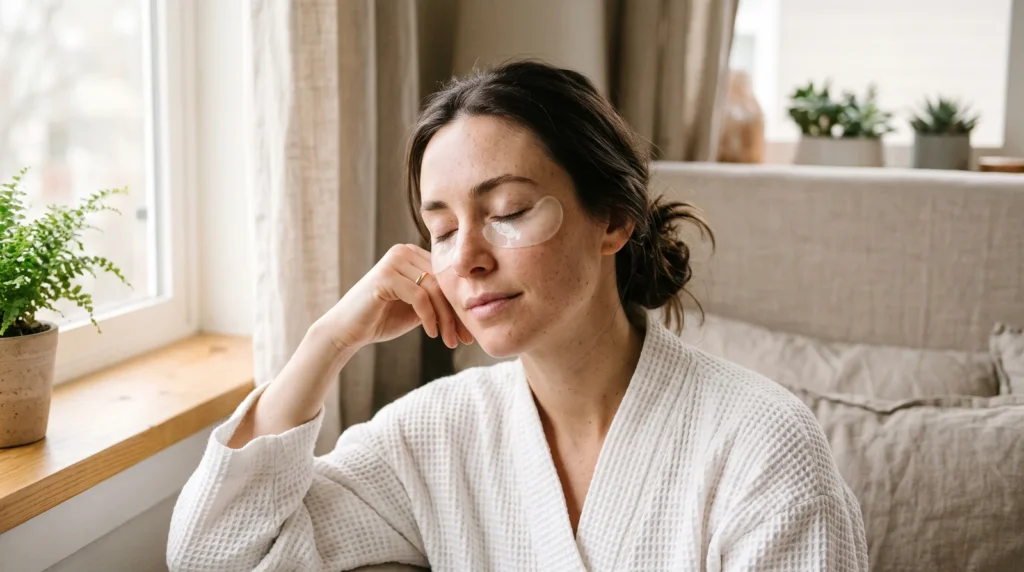
Under-Eye Patches vs Eye Cream: Which Is Better (and When to Use Each)?
Under-eye patches give a quick, visible boost before an event; eye cream does the slow daily work. What each one does, when to use which, and how to combine them in one routine.
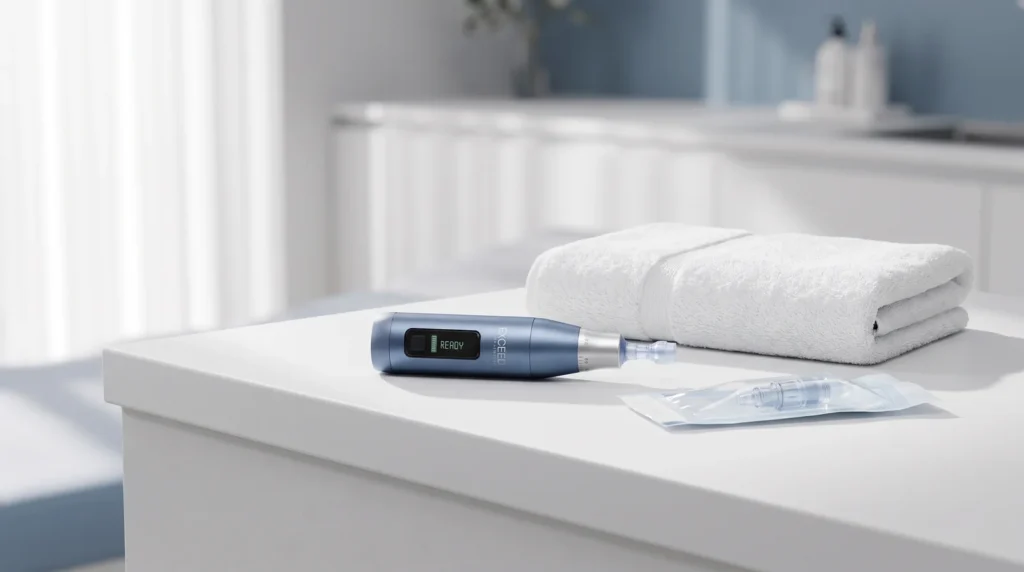
Microneedling Pen vs Derma Roller: What Professionals Use and Why
How a microneedling pen differs from a derma roller and a derma stamp, why clinics use pens, and what to look for when choosing a professional device.
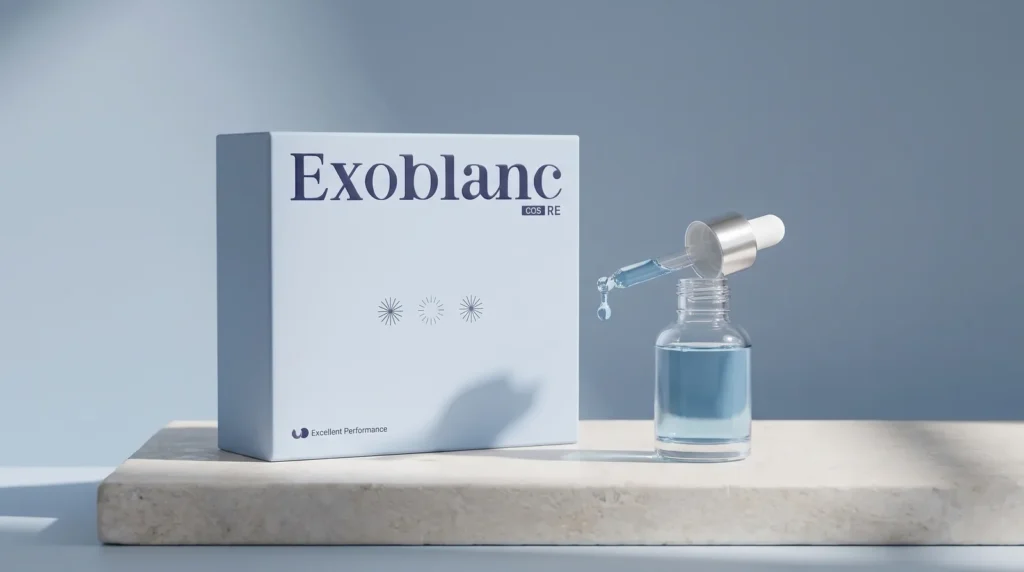
Copper Peptides (GHK-Cu) in Skincare: What They Do and How to Use Them
Copper peptides are one of the fastest-growing skincare searches of 2026. What GHK-Cu is, what the research says about the look of firmness and texture, how it compares with retinol and vitamin C, and how to use it.
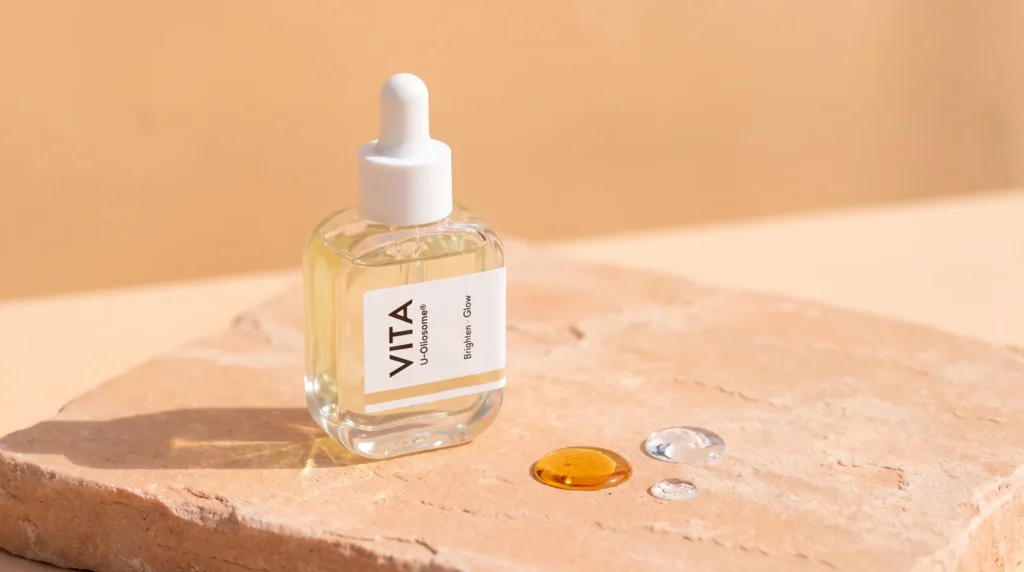
Tranexamic Acid vs Vitamin C for Uneven-Looking Skin Tone
Tranexamic acid and vitamin C both target uneven-looking tone, but they work differently and suit different routines. How they compare, whether to use them together, and how to layer them.
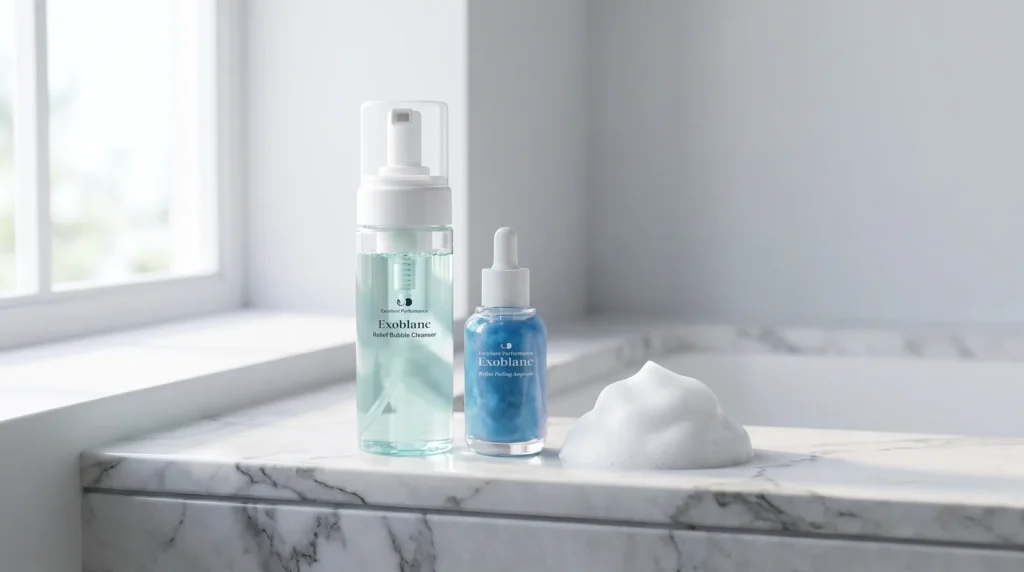
What Actually Makes Pores Look Smaller?
You cannot change the size of a pore, but you can change how visible pores look. The main reasons pores look enlarged, what helps for each one, and a simple routine for smoother-looking skin.
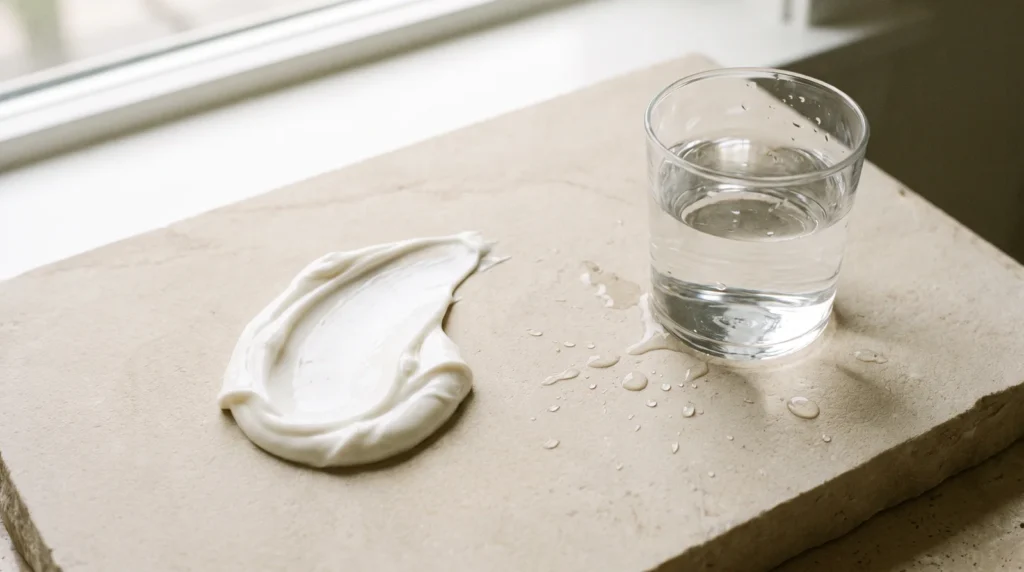
Dehydrated vs Dry Skin: How to Tell the Difference
Dry skin lacks oil; dehydrated skin lacks water. They feel similar but need different care. A quick self-check, the signs of each, and how to build a routine for the one you have.
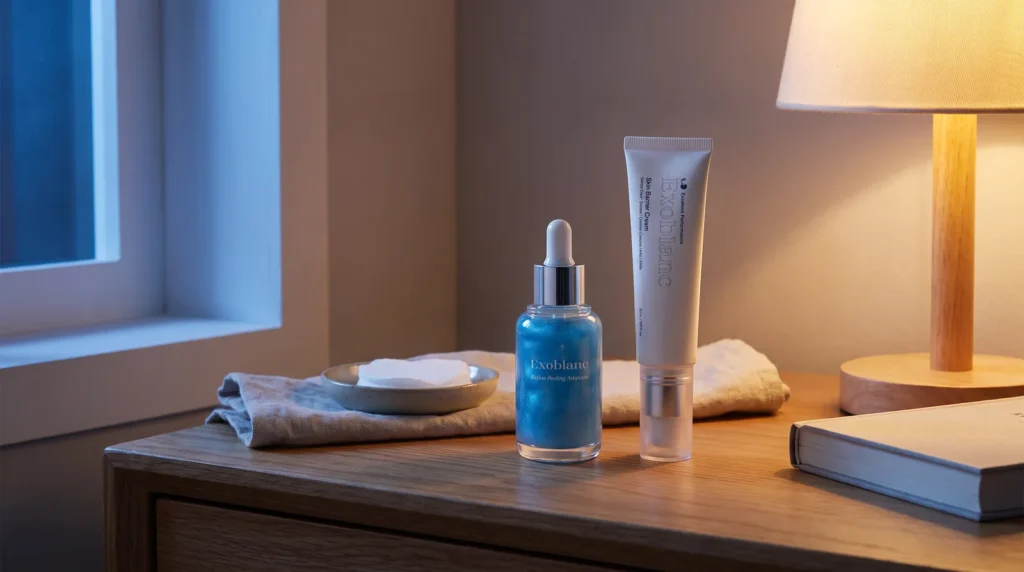
Skin Cycling: How to Do a 4-Night Routine
Skin cycling rotates exfoliation, retinoid and recovery nights so actives work without overwhelming the skin barrier. How the 4-night schedule works, who should adapt it, and what to use on each night.
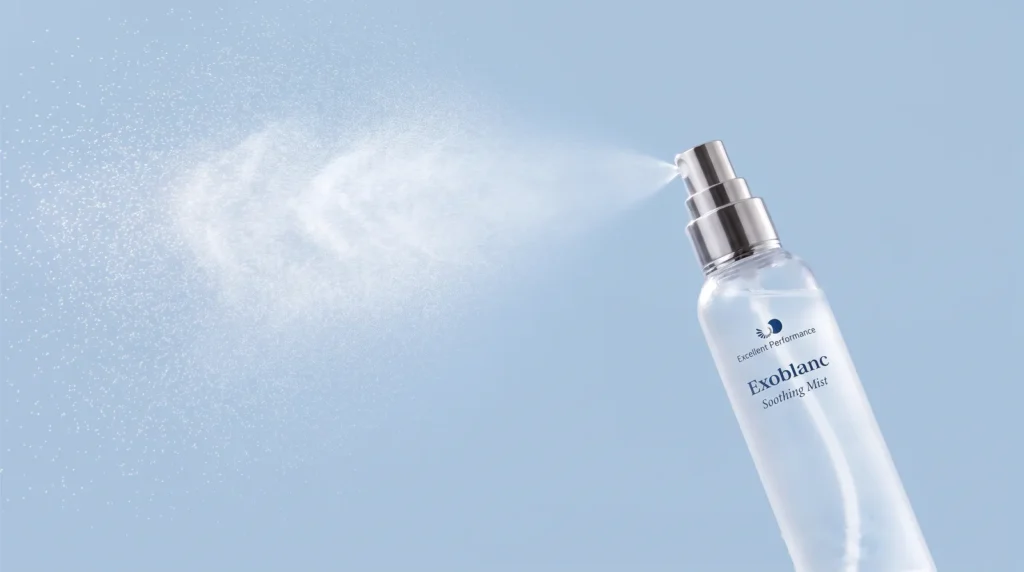
Hypochlorous Acid in Skincare: What Does It Actually Do?
Hypochlorous acid (HOCl) is now one of the most searched facial mist ingredients. What it is, how it differs from bleach, why pH and packaging matter, and how to read an HOCl label.