Reviewed by the TRU Biologix Medical Team
Glass skin and bloom skin are both K-beauty names for healthy-looking skin, but they describe different finishes. Glass skin is ultra-smooth and reflective, almost wet-looking. Bloom skin is plump, even-toned and softly radiant, like a flower in full bloom: it glows rather than shines, and it looks like skin.
Bloom skin is the finish many Korean brands are formulating around in 2026, and it shifts the emphasis from shine to skin condition. Below we compare the two, explain the other finishes you will see online, and set out a routine for each.
Key takeaways
- Glass skin is a reflective, mirror-like finish; bloom skin is a plump, softly radiant one.
- Bloom skin depends even more on skin condition: hydration, a comfortable barrier and even-looking tone.
- Mochi, cloud and honey skin are related finishes describing bounce, soft focus and warm glow.
- All of them start from the same base: gentle cleansing, steady hydration and daily sunscreen.
What is bloom skin?
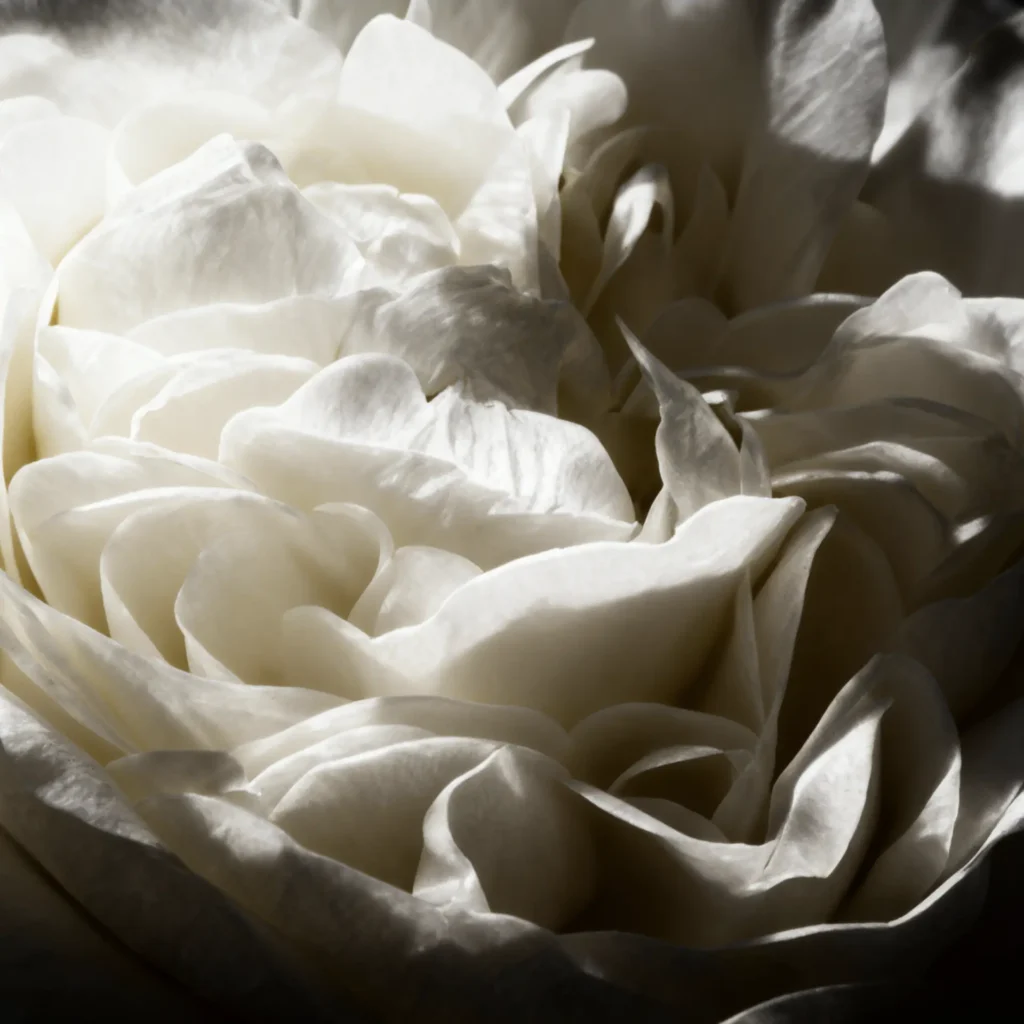
Bloom skin describes a complexion that looks naturally plump, even and radiant, with a soft, lit-from-within glow instead of a high-shine reflection. Think of the healthy flush of someone well rested and well hydrated, rather than the glossy finish of a highlighter.
The term grew out of the same Korean beauty culture as glass skin, and it reflects a broader 2026 shift: away from looking lacquered and toward looking alive. Because the effect relies on how skin itself looks, bloom skin is built mainly in the skincare steps, with makeup only adding the last touch.
Bloom skin vs glass skin: the key differences
The short answer: glass skin is about reflection, bloom skin is about vitality. Both need hydrated, smooth skin, but they put the emphasis in different places.
| Glass skin | Bloom skin | |
|---|---|---|
| Finish | Reflective, mirror-like, almost wet | Soft, natural radiance; glow without shine |
| How skin looks | Ultra-smooth and poreless-looking | Plump, even-toned and fresh |
| Routine emphasis | Layers of hydration for maximum smoothness | Hydration plus a comfortable barrier and even tone |
| Makeup | Often finished with glossy or dewy products | Minimal; skin carries most of the look |
| Common pitfall | Too many layers and actives | Chasing glow with heavy oils or highlighter |
What are mochi skin, cloud skin and honey skin?
Social media has produced a whole vocabulary of skin finishes. These are the ones people search most alongside glass and bloom skin, described as the terms are commonly used online:
| Term | What it describes | Main driver |
|---|---|---|
| Glass skin | Smooth, clear, reflective finish | Hydration and smooth texture |
| Bloom skin | Plump, even, naturally radiant | Overall skin condition |
| Mochi skin | Soft, bouncy, pillowy look, like a rice cake | Hydration and a plump-looking surface |
| Cloud skin | Diffused, soft-focus, velvety finish | Mostly makeup (blurring base products) |
| Honey skin | Warm, healthy sheen | Hydrating, nourishing skincare |
| Dewy skin | Fresh, hydrated glow | Skincare and dewy makeup together |
Definitions vary between creators; these reflect common usage.
What makes skin look bloomed?
Three things drive the bloom skin look, and each has solid skin science behind it.
- Water content. Hydrated skin cells sit flatter and reflect light more evenly. Humectants such as glycerin and hyaluronic acid help the outer layer hold water.
- Barrier lipids. Ceramides make up a large share of the lipids between skin cells. When they are in good supply, skin feels supple and looks less flaky.
- Even-looking tone. Blotchiness and dull patches break up radiance. In a controlled study, topical niacinamide improved the look of uneven tone, fine lines and texture.
Add consistent sun protection, since UV exposure is one of the main reasons tone looks uneven over time.
How to build a bloom skin routine
A bloom skin routine is short and consistent. Morning and evening, it looks much the same:
- Gentle cleanse. One mild cleanser that leaves skin comfortable.
- Hydrating layer. A light serum or essence with humectants. Ingredients such as PDRN are popular here for hydration and a plumper look; see what PDRN is.
- One tone or texture step. Niacinamide, vitamin C or a gentle exfoliant, introduced one at a time.
- Moisturizer. A cream with ceramides or soothing ingredients to hold hydration in.
- Sunscreen every morning.
A weekly sheet mask is an easy way to add a burst of hydration before an event. What bloom skin avoids is over-exfoliation and product overload, the same habits dermatologists flagged in 2026; we explain that research in is glass skin bad for your skin?
Which finish suits which skin?
Glass skin is easiest on younger, oilier or combination skin with naturally fine texture, because the reflective finish shows every bump. Bloom skin is more forgiving and tends to suit dry, mature or sensitive-feeling skin, since it relies on a soft glow rather than flawless smoothness. Mochi skin suits anyone who wants a plump look without shine, and cloud skin is mostly a makeup choice that works on any skin type.
For practices, bloom skin is a useful way to frame home care with patients: the goal is skin that looks healthy and comfortable, not a filter effect.
Products in this article
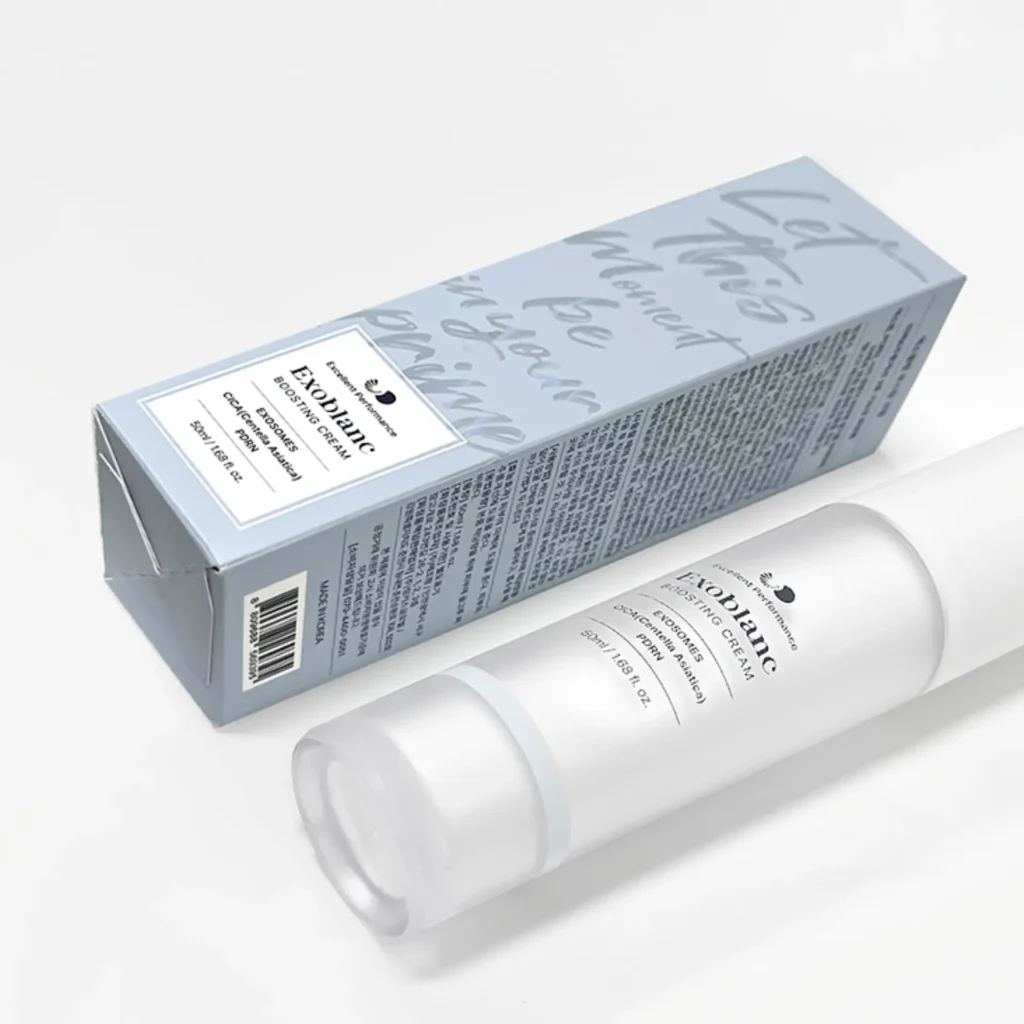
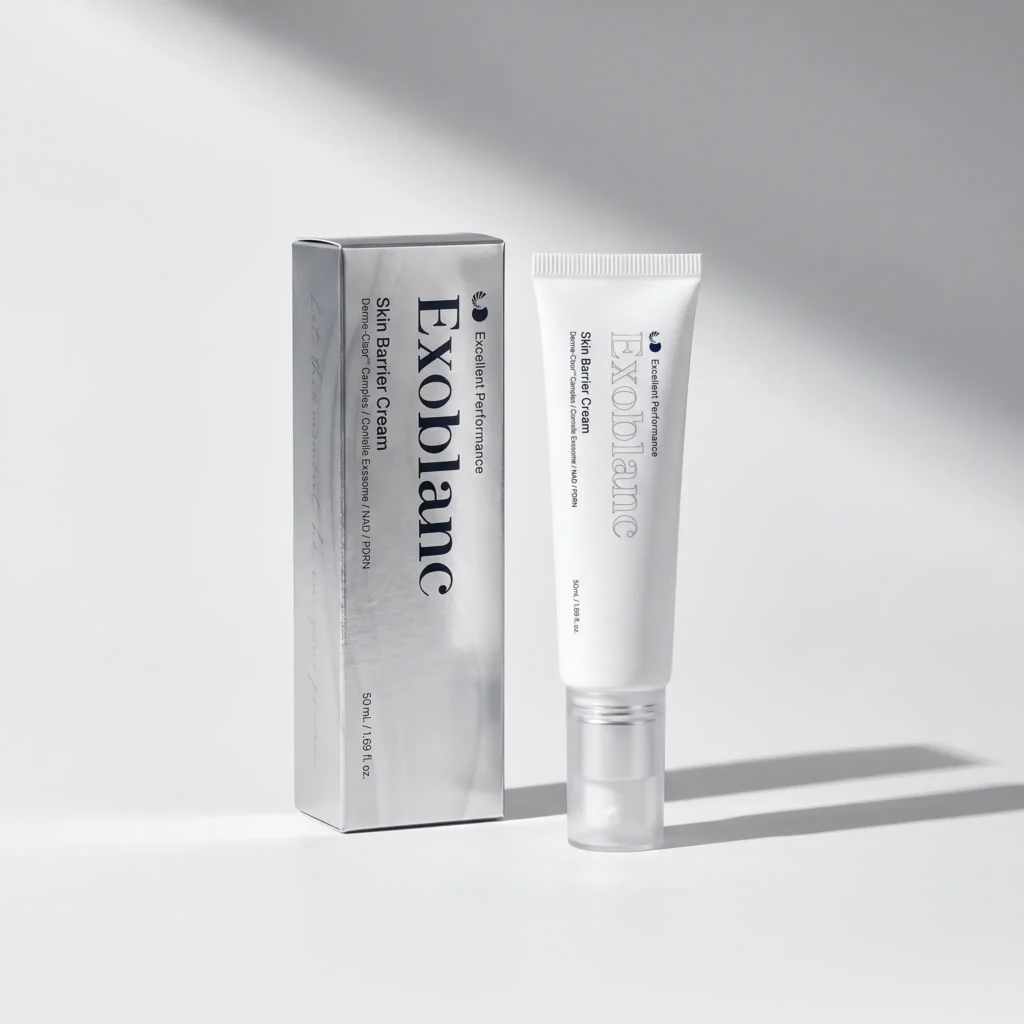
Exoblanc PDRN Boosting Cream
Rich moisturizing finish with PDRN, plant exosomes and CICA for plump, comfortable-feeling skin.
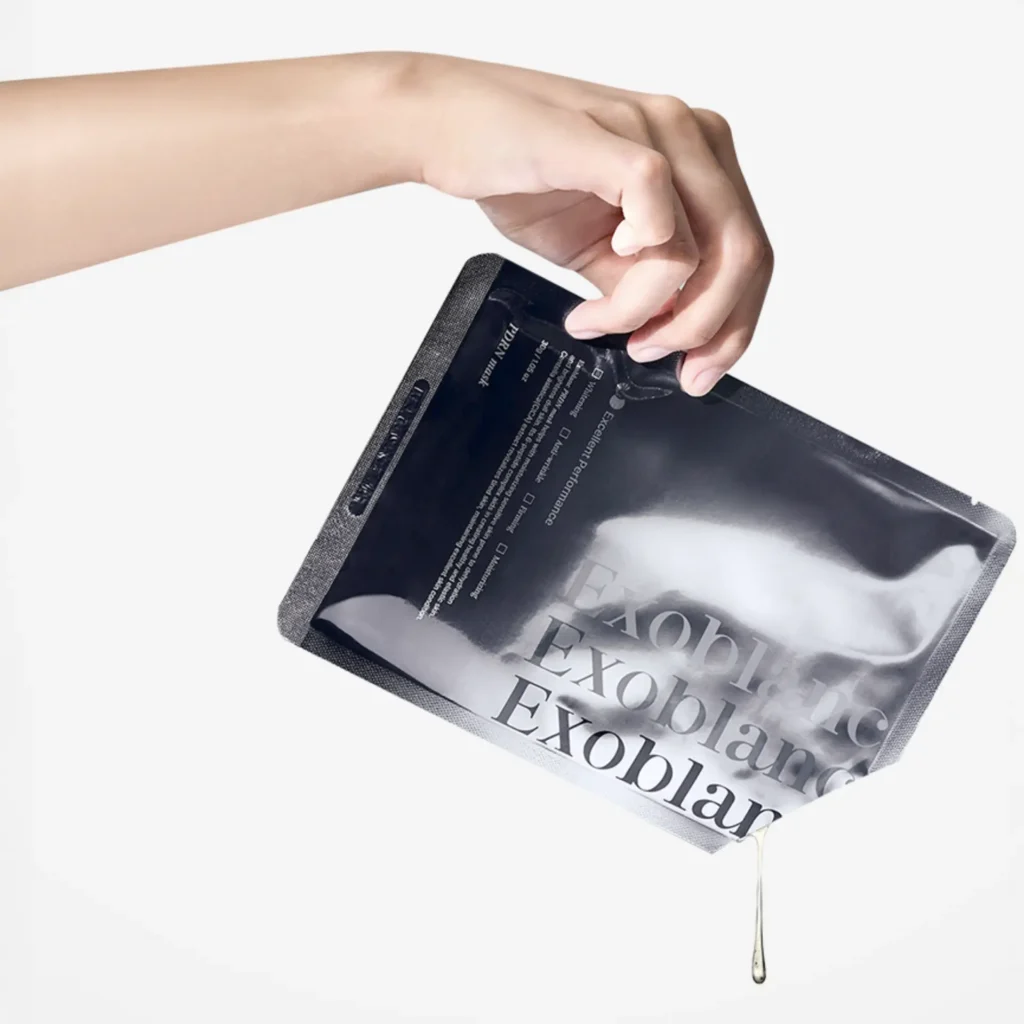
Exoblanc PDRN Mask
Bio-cellulose sheet mask holding 30 mL of essence with PDRN, exosomes and peptides.
Frequently asked questions
Is bloom skin the new glass skin?
In many ways, yes. Glass skin is still a reference point, but in 2026 many Korean brands and creators favour bloom skin, which trades mirror-like shine for a plump, natural radiance.
What is mochi skin?
Mochi skin describes a soft, bouncy, pillowy-looking complexion, named after the Japanese rice cake. It comes mainly from good hydration rather than shine.
What is the difference between glass skin and cloud skin?
Glass skin is a reflective finish built mostly through skincare. Cloud skin is a diffused, soft-focus finish created mostly with blurring makeup products.
Can makeup create bloom skin?
Makeup can add the last touch, such as a sheer tint or cream blush, but the look depends mainly on hydrated, even-toned skin, so skincare does most of the work.
Is bloom skin better for mature skin?
Often, yes. Bloom skin relies on a soft glow rather than flawless reflection, so it is more forgiving of texture and fine lines than glass skin.
How long does it take to get bloom skin?
Hydration can make skin look plumper within days, but the outer layer renews over several weeks, so a routine is best judged after about a month.
References
- Verdier-Sévrain S, Bonté F. Skin hydration: a review on its molecular mechanisms. J Cosmet Dermatol 2007;6(2):75–82.
- Coderch L, López O, de la Maza A, Parra JL. Ceramides and skin function. Am J Clin Dermatol 2003;4(2):107–129.
- Bissett DL, Oblong JE, Berge CA. Niacinamide: a B vitamin that improves aging facial skin appearance. Dermatol Surg 2005;31(7 Pt 2):860–865.