Reviewed by the TRU Biologix Medical Team
Ceramides, niacinamide and hyaluronic acid are not competing for the same job. Ceramides are the lipids that make up roughly half of the skin’s outer-layer ‘mortar’ and give it its moisture-holding feel; niacinamide is a vitamin B3 derivative that evens the look of tone and texture; hyaluronic acid is a humectant that binds water at the surface. Pick by what your skin is telling you: ceramides for tight, dry, reactive-feeling skin, niacinamide for dull or uneven-looking tone and visible pores, hyaluronic acid for dehydrated-looking skin that still produces oil. Most skin benefits from all three, layered in the right order.
Key takeaways
- Ceramides are barrier lipids: they support the feel of a sealed, comfortable outer layer and suit dry, tight or reactive-feeling skin.
- Niacinamide is vitamin B3: it evens the look of tone and texture and suits oily, dull or uneven-looking skin.
- Hyaluronic acid is a humectant: it draws water to the surface for a plumper look, and works best under a moisturiser that seals it in.
- Layer thin to thick: hyaluronic acid first, niacinamide next, ceramides in the moisturiser or oil last.
At a glance: ceramides vs niacinamide vs hyaluronic acid
| Ceramides | Niacinamide | Hyaluronic acid | |
|---|---|---|---|
| What it is | Lipids naturally found in the stratum corneum; ceramide NP is the most used in skincare | Vitamin B3 (nicotinamide), water-soluble | A sugar polymer that binds many times its weight in water |
| Main job | Supports the feel of the skin’s moisture barrier | Evens the look of tone and texture; refines the look of pores | Hydrates the surface for a plumper, smoother look |
| Best for | Dry, tight, flaky-looking or reactive-feeling skin | Oily, dull, uneven-looking skin; visible pores | Dehydrated-looking skin of any type |
| Typical format | Moisturiser, barrier cream, facial oil | Serum, toner, eye cream | Toner, essence, serum |
| Typical concentration | 0.1–1% in creams; up to 1% (10,000 ppm) in oils | 2–5% in serums | 0.1–2% depending on molecular weight |
| Layering position | Last (moisturiser or oil) | Middle (serum) | First (on damp skin) |
| Pairs well with | Cholesterol, fatty acids, panthenol | Hyaluronic acid, zinc, peptides | Everything; needs an occlusive on top |
Concentrations are typical cosmetic ranges, not a recommendation for any condition.
What do ceramides do for skin?
Ceramides are a family of lipids that, together with cholesterol and free fatty acids, fill the spaces between the flattened cells of the stratum corneum. The classic review by Coderch and colleagues describes them as the main structural component of these lipid layers, making up around half of the lipid mass. When that lipid matrix is well ordered, the outer layer holds water and feels smooth; when it is depleted, skin feels tight, looks flaky and reacts more to products.
Topical ceramides are used to top up that matrix at the surface. Ceramide NP is the form most often used, and research into the ratio of different ceramide types in the stratum corneum suggests the balance, not just the amount, matters for how the skin looks and behaves. In practice this is why ceramides are usually formulated with cholesterol and fatty acids rather than alone.
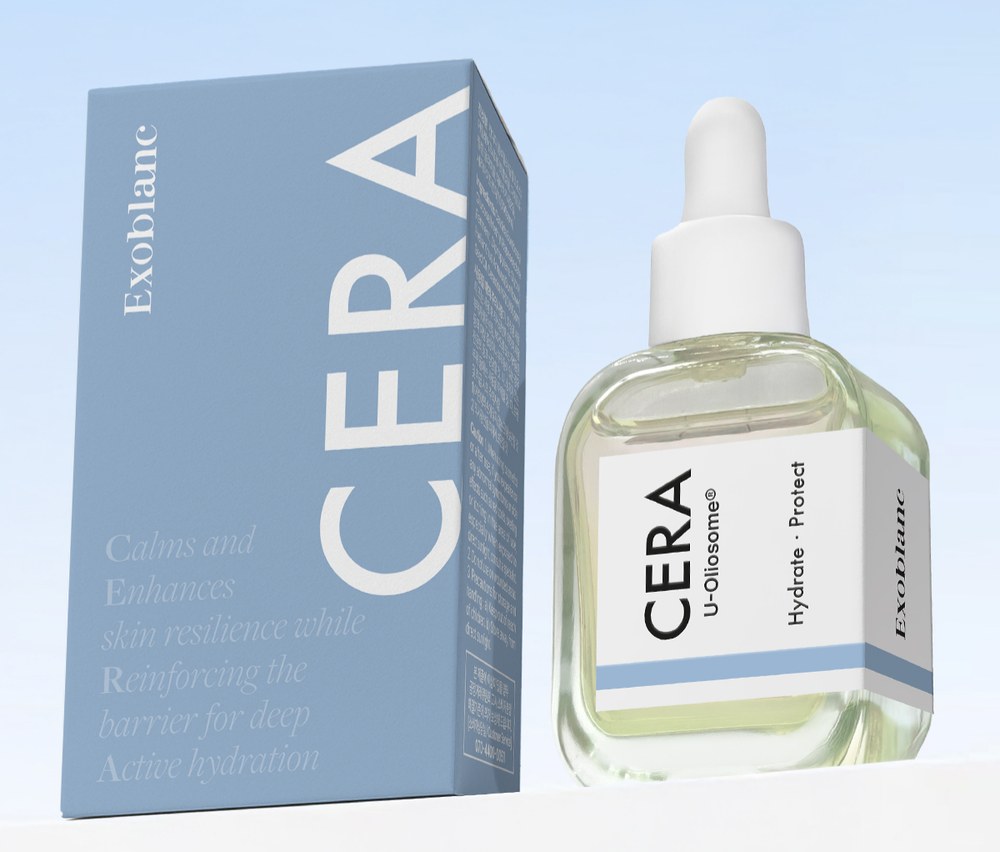
Because ceramides are oil-soluble, they belong in creams, barrier moisturisers and facial oils. Exoblanc’s CERA Moisturising Oil carries ceramide NP at 10,000 ppm in a reverse-micelle oil base; the mechanism is explained in our article on vitamin C oil, ceramide oil and totarol.

What does niacinamide do for skin?
Niacinamide is the amide form of vitamin B3. It is water-soluble, stable in formulation and tolerated by most skin types, which is why it appears in so many serums and toners. The best-known clinical work, by Bissett and colleagues, found that topical niacinamide improved several signs of ageing-looking facial skin, including the appearance of uneven tone, texture and fine lines, in a cosmetic study.
In everyday terms, niacinamide is the pick for skin that looks dull, uneven or shiny, and for visible pores. It is often paired with hyaluronic acid in the same serum, and it sits comfortably alongside peptides, zinc and NAD+-family ingredients.
Two myths worth clearing up. First, niacinamide and vitamin C can be used in the same routine; the old warning dates from unstable early formulations. Second, higher is not better: 2 to 5 percent covers most needs, and 10 percent formulas are more likely to feel tingly on reactive skin. Within the Exoblanc range, niacinamide is one of the four actives in NMN Eye Cream; our NAD+ skincare guide covers how niacinamide, NMN and NAD+ relate.
What does hyaluronic acid do for skin?
Hyaluronic acid is a naturally occurring sugar polymer that binds large amounts of water. In the skin it is part of the water-holding matrix; in a bottle it is a humectant that draws moisture to the surface so skin looks plumper and smoother within minutes. Papakonstantinou and colleagues’ review in Dermato-Endocrinology summarises its role in the look of ageing skin and in hydration.
Two practical points decide whether it works for you. Molecular weight: high-weight hyaluronic acid forms a film on the surface and gives the instant smooth look; lower-weight fractions sit in the upper layers and hydrate more evenly. Good formulas mix sizes. Occlusion: a humectant pulls water from wherever it can, so in a dry room with nothing on top it can leave skin feeling drier. Apply it to damp skin and seal it with a moisturiser or oil.
Hyaluronic acid suits every skin type, including oily skin that still looks dehydrated. In the Exoblanc routine it appears in the Foaming Toner and the Skin Barrier Cream.
Which one does your skin need?
Match the ingredient to what you see and feel, not to the trend.
- Skin feels tight after cleansing, looks flaky, stings with new products: start with ceramides in your moisturiser. Add hyaluronic acid underneath once the tightness settles. Hold off on niacinamide above 5 percent.
- Skin looks oily by midday, dull in the morning, pores visible: niacinamide serum in the morning and evening, hyaluronic acid toner underneath, a light ceramide gel-cream on top.
- Skin looks fine-lined and dehydrated but not dry to the touch: hyaluronic acid on damp skin, then a ceramide moisturiser. This is the classic ‘dehydrated, not dry’ profile.
- Skin looks uneven in tone with no dryness: niacinamide is the priority; ceramides are optional.
- After a professional treatment, when skin feels sensitive: ceramides and hyaluronic acid only, no niacinamide until the skin feels settled. See our post-procedure skincare guide.
For a provider’s view of how hydration and barrier care fit into a longer plan, watch the layered skin plans webinar with Stella Nam, MSN, FNP, which frames collagen, elastin and hyaluronic acid as the frame, spring and cushion of the skin.
Can you use ceramides, niacinamide and hyaluronic acid together?
Yes, and most well-built routines do. They do not interact, and each covers a gap the others leave. The only rule is order.
- Hyaluronic acid first, on damp skin straight after cleansing or toning. It is the thinnest layer.
- Niacinamide next, as a serum. Wait 30 to 60 seconds for it to absorb.
- Ceramides last, in your moisturiser or a facial oil. This seals the water-based layers in.
Morning and evening can both follow this sequence; add sunscreen as the final morning step. If you prefer one product to three, look for a moisturiser that contains all three; the Exoblanc Skin Barrier Cream, for example, pairs hyaluronic acid and panthenol with its barrier-conditioning complex, and sits well over a niacinamide serum.
For the science of how any of these ingredients gets past the skin’s outer layer, read how the skin barrier works and how delivery systems get through it.
What about ceramides vs peptides?
This comparison comes up almost as often, so briefly: peptides are short chains of amino acids used in cosmetics as signalling and conditioning ingredients for the look of firmness and smoothness. They are water-soluble and live in the serum step, like niacinamide. Ceramides are lipids that live in the moisturiser step. They are not alternatives; a routine can have a peptide serum under a ceramide cream, and many do.
Rule of thumb: water-soluble ingredients (hyaluronic acid, niacinamide, peptides, vitamin C) go in serums and go on first. Oil-soluble ingredients (ceramides, cholesterol, fatty acids, most vitamin E) go in creams and oils and go on last.
Products in this article
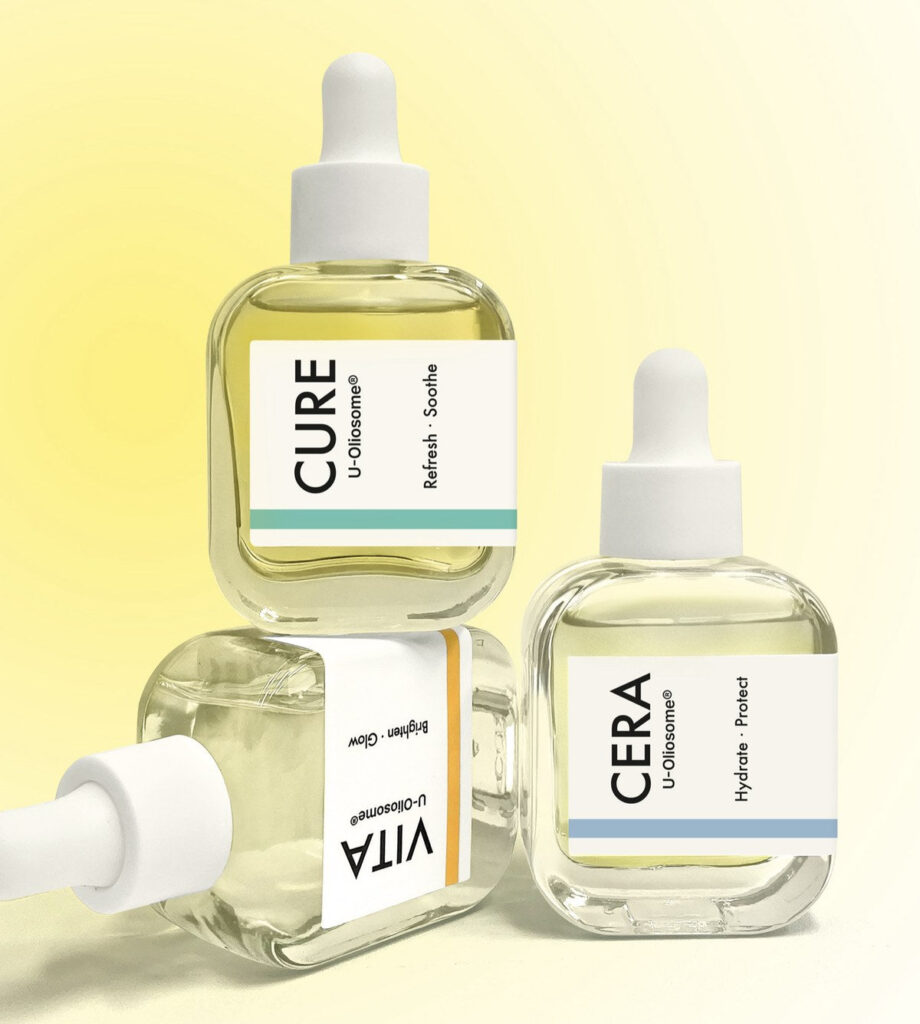
Exoblanc Oil
Three 30 mL active oils: ceramide NP (CERA), vitamin C (VITA) and totarol, each in a reverse-micelle base.
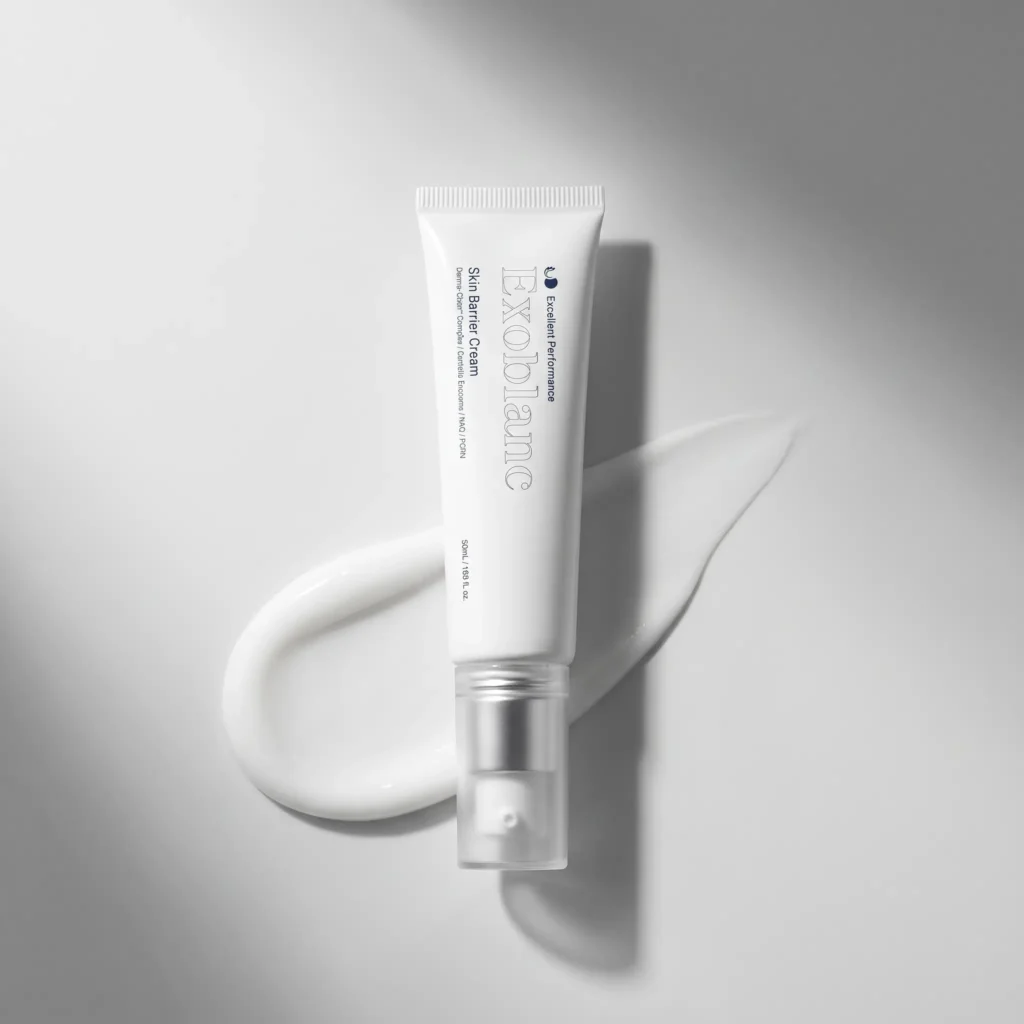
Exoblanc Skin Barrier Cream
Daily moisturiser with hyaluronic acid, panthenol and glycerin for dry, tight-feeling skin.
Frequently asked questions
Which is better, ceramides or niacinamide?
Neither is better; they do different jobs. Ceramides suit dry, tight or reactive-feeling skin because they support the feel of the moisture barrier. Niacinamide suits oily, dull or uneven-looking skin. Many people use both.
Can I use ceramides and hyaluronic acid together?
Yes. Apply hyaluronic acid first on damp skin, then a ceramide moisturiser on top to seal the water in. The pairing is one of the most useful in skincare.
Should niacinamide go before or after hyaluronic acid?
Hyaluronic acid first, because it is the thinner, more watery layer. Niacinamide serum goes next, then moisturiser.
Is niacinamide or hyaluronic acid better for oily skin?
Both suit oily skin. Niacinamide addresses the look of shine and pores; hyaluronic acid adds water without oil. A niacinamide serum over a hyaluronic acid toner is a common oily-skin combination.
What is the difference between ceramides and peptides?
Ceramides are oil-soluble barrier lipids used in moisturisers and oils. Peptides are water-soluble amino acid chains used in serums for the look of firmness. They layer together rather than replace each other.
Can ceramides be used every day?
Yes. Ceramides are part of the skin’s own outer layer and are well tolerated in daily moisturisers for all skin types.
References
- Coderch L, López O, de la Maza A, Parra JL. Ceramides and skin function. Am J Clin Dermatol 2003;4(2):107-129.
- Yokose U, Ishikawa J, Morokuma Y, et al. The ceramide [NP]/[NS] ratio in the stratum corneum is a potential marker for skin properties and epidermal differentiation. BMC Dermatol 2020;20(1):6.
- Bissett DL, Oblong JE, Berge CA. Niacinamide: a B vitamin that improves aging facial skin appearance. Dermatol Surg 2005;31(7 Pt 2):860-865.
- Papakonstantinou E, Roth M, Karakiulakis G. Hyaluronic acid: a key molecule in skin aging. Dermatoendocrinol 2012;4(3):253-258.
- Manufacturer data, Exoblanc Oil CERA: ceramide NP concentration (10,000 ppm) and reverse-micelle delivery base.