Reviewed by the TRU Biologix Medical Team
PDRN and polynucleotides (PN) are two of the most talked-about ingredients in regenerative aesthetics, and the two terms are often used as if they mean the same thing. They are closely related: both are purified fragments of DNA, usually extracted from salmon or trout. But they are not identical, and the difference matters for how each behaves in the skin and what a provider can realistically expect from a topical product.
Key takeaways
- PDRN and PN are both purified DNA fragments, usually from salmon or trout.
- The difference is chain length: a 2025 proposal sets PN at 1,500 kDa and above, PDRN below.
- PDRN acts mainly through the adenosine A2A receptor; PN mainly hydrates and supports structure.
- On intact skin both work mainly at the surface and upper layers, so formulation and delivery matter.
Where PDRN and PN come from
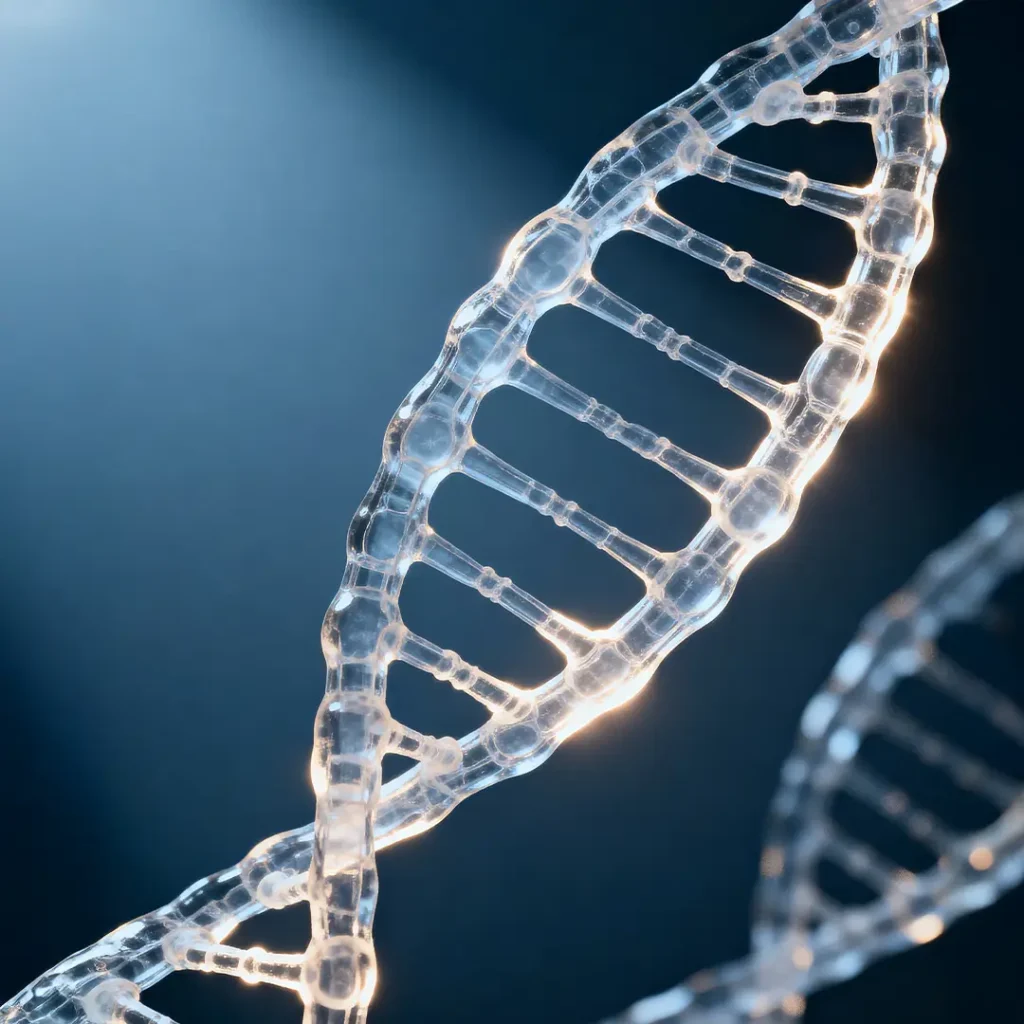
Both PDRN (polydeoxyribonucleotide) and PN are polymers made of deoxyribonucleotides, the building blocks of DNA. Commercial material is typically extracted from the reproductive cells of farmed fish such as salmon and trout, then purified to remove proteins and other impurities. For a fuller introduction to the ingredient, see what PDRN is in skincare.
From there, the processing diverges. PN is kept as longer DNA chains. PDRN goes through further fragmentation into shorter chains. Same source, same chemistry, different length, and length turns out to be the variable that drives most of the practical differences.
The real difference: chain length and molecular weight
DNA-derived ingredients used in skin care and aesthetics typically fall between 50 and 1,500 kilodaltons (kDa). A 2025 review in Biomolecules proposed a formal dividing line, the “Marques Polynucleotide Cutoff”: material at or above 1,500 kDa is classed as PN, and material below it as PDRN. There is still no universally agreed threshold, and much of the published literature uses the two names interchangeably, which is a large part of the confusion.
Molecular weight changes physical behaviour. A 2025 review in Pharmaceutics notes that PN, with its longer chains, forms a more porous, highly viscous three-dimensional structure, while PDRN is far less viscoelastic. In practice, PN behaves more like a hydrating scaffold, while PDRN behaves more like a signalling molecule.
| Polynucleotides (PN) | PDRN | |
|---|---|---|
| Chain length | Longer | Shorter, further fragmented |
| Molecular weight* | ≥1,500 kDa | <1,500 kDa |
| Physical behaviour | Viscous, gel-like, binds water | Low viscosity |
| Best-described mechanism | Hydration and structural support | Adenosine A2A receptor activation |
| Evidence base | Growing body of aesthetic studies | Longer research history |
*Based on the Marques Polynucleotide Cutoff (Biomolecules, 2025). No single standard is yet accepted across the industry.
How PDRN works
PDRN is the better-characterised of the two at the molecular level. A review in Frontiers in Pharmacology identifies its main mechanism as activation of the adenosine A2A receptor. As PDRN breaks down, it also releases nucleosides and nucleotides that cells can reuse through the so-called salvage pathway.
Most of that evidence comes from laboratory research. It explains why PDRN skincare is so often positioned around calming, comfort and skin recovery.
How polynucleotides work
PN’s longer chains give it a different profile. Its viscosity and water-binding capacity are central to how it is used: it is associated with hydration, skin quality and elasticity, and its larger structure means it lingers longer before breaking down.
PN fragments are ultimately degraded into the same nucleotide building blocks as PDRN, so the two overlap biologically even though they behave differently physically.
What this means for topical skincare
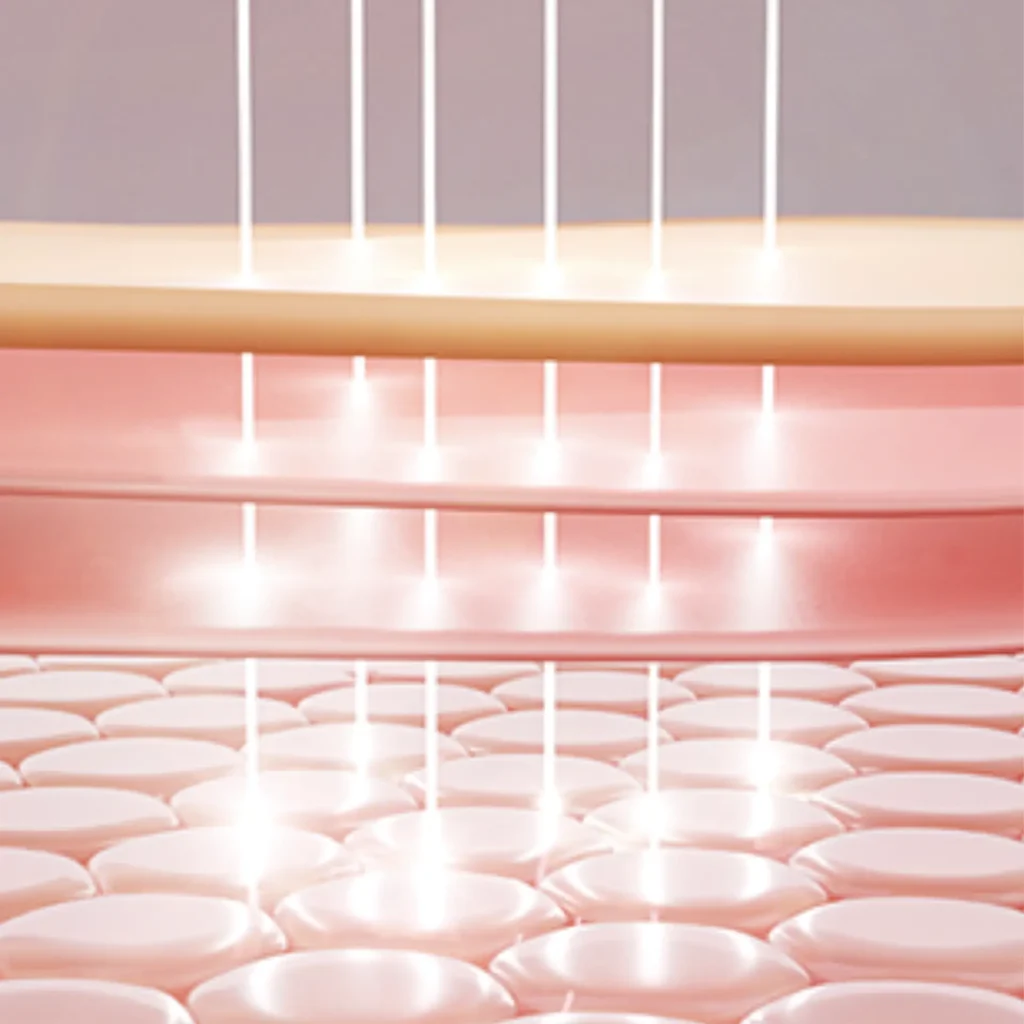
Molecular weight also determines how far an ingredient can travel on its own. Intact skin largely excludes molecules above roughly 500 daltons, and both PDRN and PN are at least a hundred times larger than that. Applied to intact skin, they act mainly at the surface and in the upper layers, supporting hydration and the skin’s condition. (For more on this, see why actives struggle to cross the skin barrier.)
That is why formulation matters so much for DNA-based skincare, and why it is often paired with something that helps it into the skin’s upper layers, such as marine spicules.
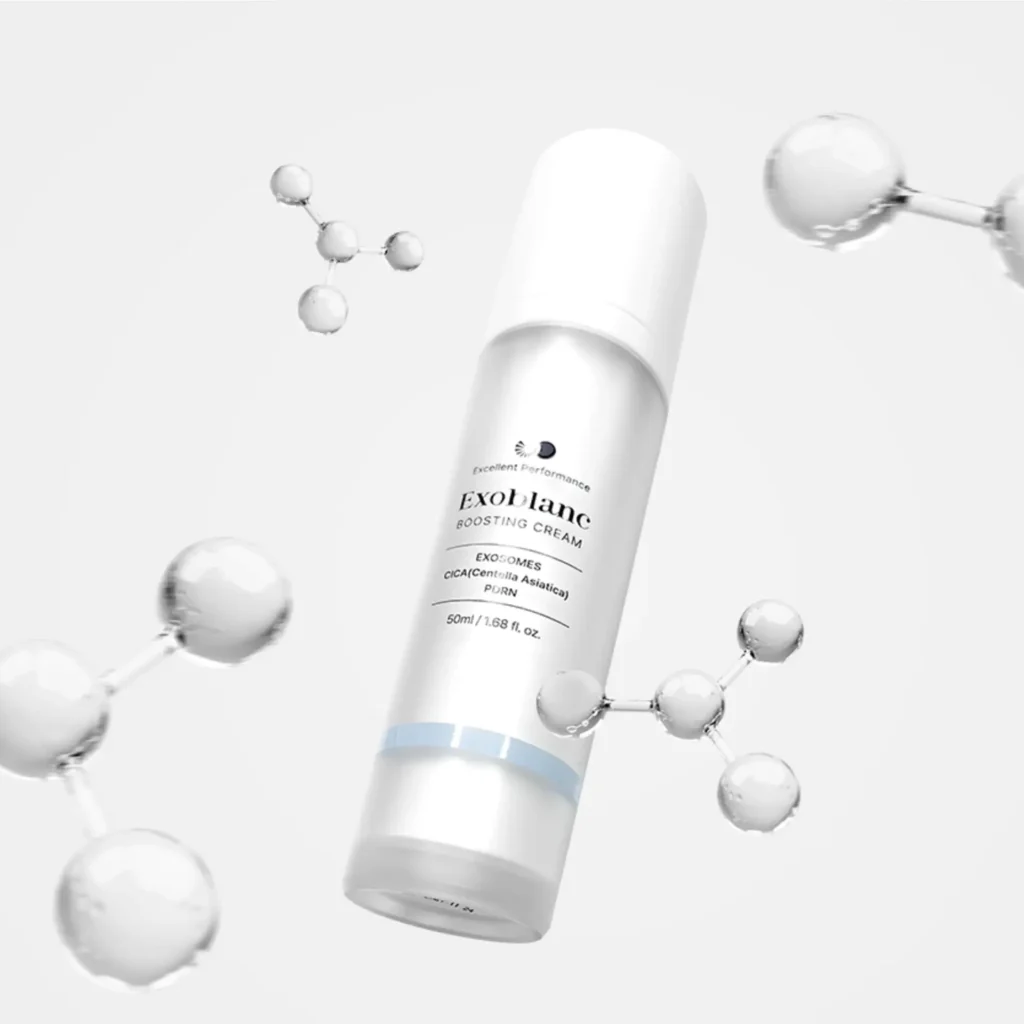
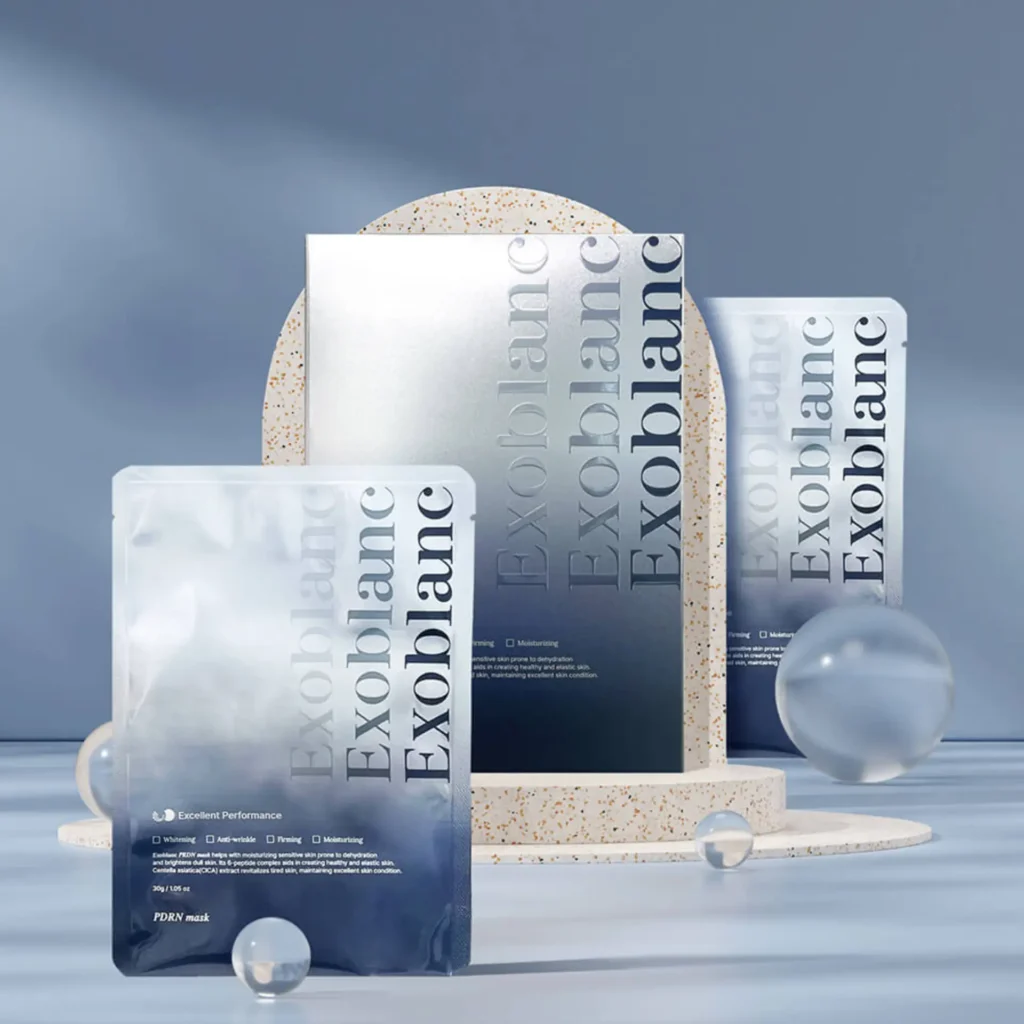
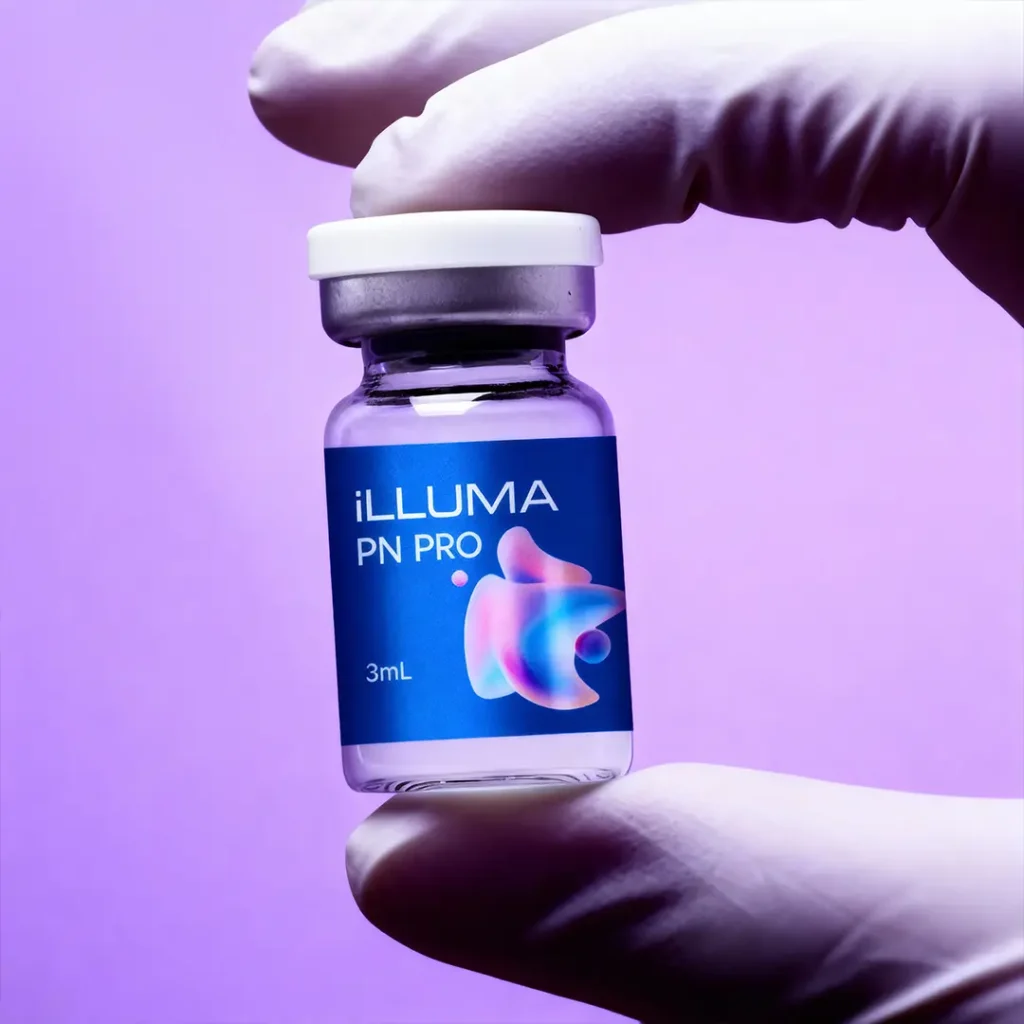
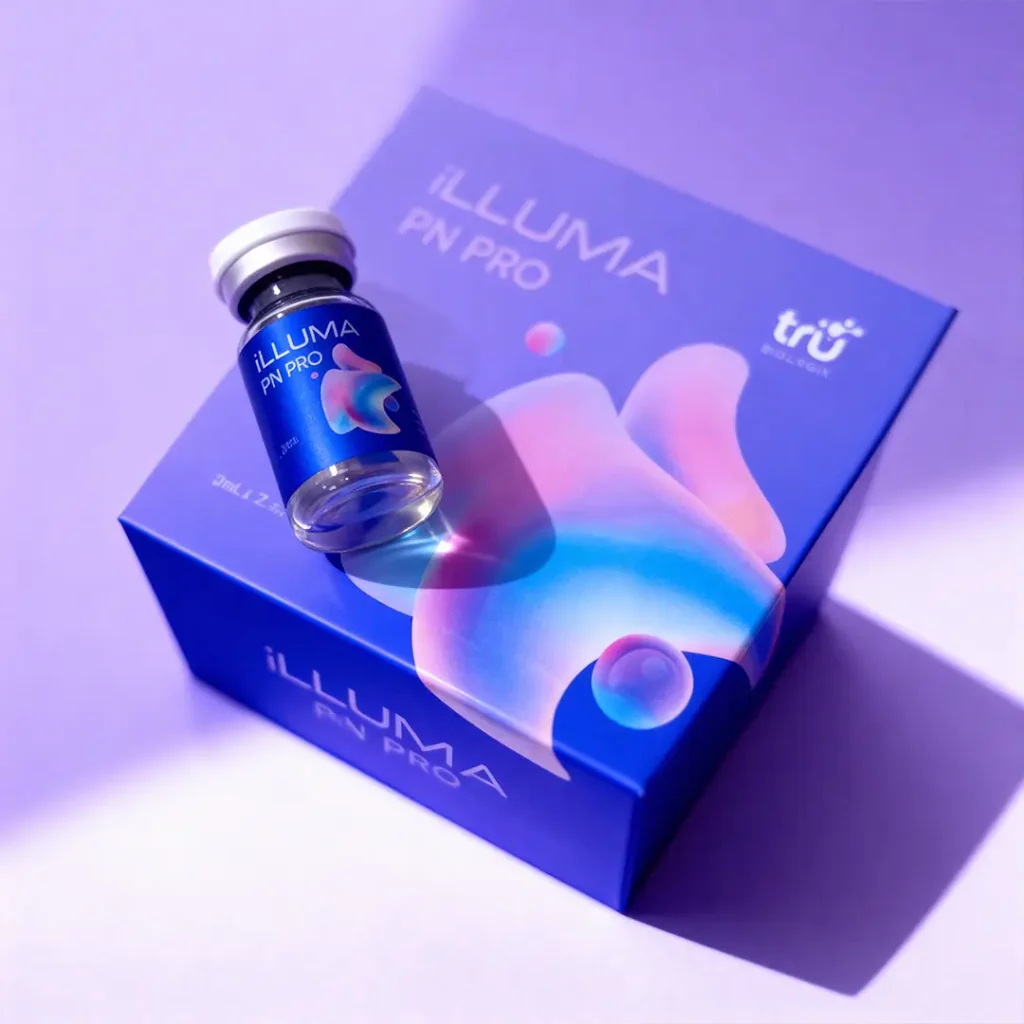
TRU Biologix offers both families as topical cosmetic products. On the PDRN side, the Exoblanc PDRN Boosting Serum, Boosting Cream and PDRN Mask. On the PN side, iLLUMA PN Pro (2% polynucleotides with peptides, niacinamide and hyaluronic acid), iLLUMA Luna for the under-eye area, Elastic Lab PN Booster and Exoblanc COS PN, a sodium DNA ampoule for dry and sensitive skin.
All TRU Biologix products above are topical skincare.
From TRU’s provider education
PN and PDRN come up constantly in TRU Biologix provider education. A June 2026 TRU webinar with board-certified dermatologist Dr. Jessie Cheung, The Science of Glow, focused on iLLUMA Luna, iLLUMA PN Pro and Exoblanc in dermatology-led regeneration. In an earlier session, Shelbi Weatherly, FNP, described building Exoblanc’s PDRN-based serum and boosting cream into her patients’ home care around laser resurfacing.
Upcoming sessions are listed on the TRU Biologix webinars page.
Products in this article
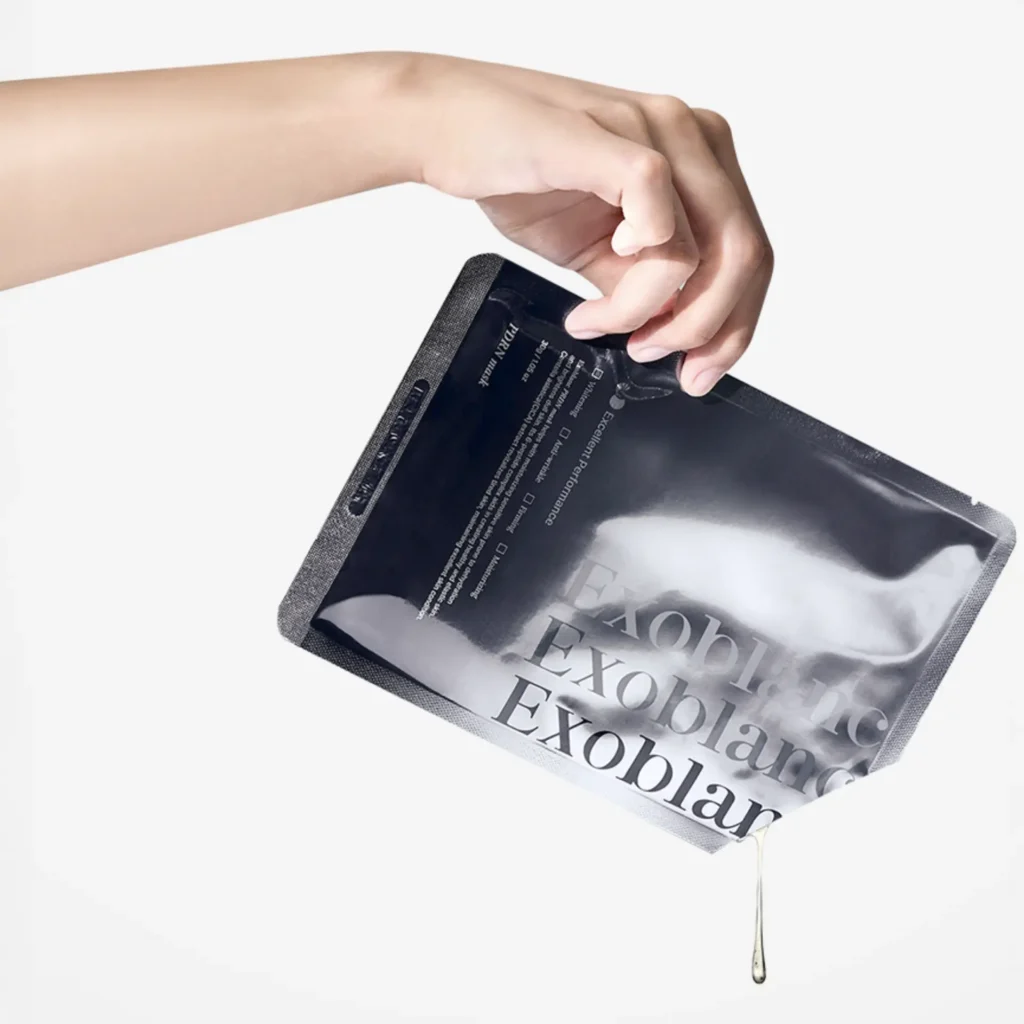
Exoblanc PDRN Mask
Bio-cellulose mask with PDRN, EGF, exosomes and peptides for hydration and comfort.
Frequently asked questions
Is PDRN the same as polynucleotides?
No. Both are purified DNA fragments, usually from salmon or trout, but PN consists of longer chains with a higher molecular weight, while PDRN is fragmented further into shorter chains. The terms are often used interchangeably, which causes confusion.
What is the molecular weight cutoff between PN and PDRN?
A 2025 proposal, the Marques Polynucleotide Cutoff, places PN at 1,500 kDa and above and PDRN below 1,500 kDa. There is not yet one industry-wide standard.
How does PDRN work in the skin?
In laboratory research, its best-described mechanism is activation of the adenosine A2A receptor. It also supplies nucleotides that cells reuse through the salvage pathway.
Can topical PDRN or PN penetrate the skin?
Only to a limited extent. Both are far larger than the roughly 500-dalton size that crosses the barrier easily, so topical products work mainly at the surface and in the upper layers of the skin.
Are PDRN and PN products vegan?
Usually not. Most commercial PDRN and PN is extracted from fish, typically salmon or trout. Plant and fermentation-derived alternatives are compared in vegan PDRN vs salmon PDRN.
References
- Squadrito F, Bitto A, Irrera N, et al. Pharmacological activity and clinical use of PDRN. Front Pharmacol 2017;8:224.
- Marques C, Porcello A, Cerrano M, et al. From polydeoxyribonucleotides (PDRNs) to polynucleotides (PNs): bridging the gap between scientific definitions, molecular insights, and clinical applications of multifunctional biomolecules. Biomolecules 2025;15(1):148.
- Kim ST. Comparison of polynucleotide and polydeoxyribonucleotide in dermatology: molecular mechanisms and clinical perspectives. Pharmaceutics 2025;17(8):1024.
- Bos JD, Meinardi MM. The 500 Dalton rule for the skin penetration of chemical compounds and drugs. Exp Dermatol 2000;9:165–9.