Reviewed by the TRU Biologix Medical Team
Of the three, PHA (polyhydroxy acid) is usually the gentlest. AHAs such as glycolic acid are small, fast and the most likely to tingle; BHA (salicylic acid) is oil-soluble, so it works in oily, congested-looking pores; PHAs are the largest molecules, work slowly at the surface and also draw in water. A fourth option, LHA, is a slower, oil-loving relative of salicylic acid.
Key takeaways
- PHAs (gluconolactone, lactobionic acid) are the largest exfoliating acids, so they work more slowly and tend to sting less.
- AHAs (glycolic, lactic) are small and water-soluble: effective, but the most likely to tingle and to raise sun sensitivity.
- BHA (salicylic acid) is oil-soluble, so it suits oily, congested-looking skin; LHA is a slower-acting salicylic derivative.
- Pairing PHA with LHA gives surface smoothing plus pore care with a gentler feel than a classic glycolic peel.
What is the difference between PHA, AHA and BHA?
All three are chemical exfoliants: they loosen the bonds between dead cells on the skin’s surface so they shed more evenly, leaving skin looking smoother and brighter. The differences come down to molecule size and whether the acid prefers water or oil.
Size matters because a smaller molecule moves into the outer layer faster, which is why glycolic acid works quickly but can sting. Larger molecules work more gradually. The bars below show the approximate molecular weight of the most common exfoliating acids.
Approximate molecular weights from standard chemical data. Larger usually means slower and gentler, though formula, strength and pH matter too.
Why are PHAs gentler on the skin?
PHAs give an exfoliating, smoothing effect similar to AHAs without the stinging and burning that limit classic AHAs for many people. Researchers who studied them describe them as well tolerated on sensitive skin and suitable around cosmetic procedures, with extra humectant and moisturising properties.
That humectant effect is the part people notice: gluconolactone and lactobionic acid hold water, so skin tends to feel hydrated rather than tight after use. Most PHAs are also antioxidants. The trade-off is speed. PHAs smooth gradually, so results build over weeks of regular use rather than overnight.
PHA vs AHA vs BHA at a glance
| PHA | AHA | BHA | |
|---|---|---|---|
| Common names | Gluconolactone, lactobionic acid | Glycolic, lactic, mandelic acid | Salicylic acid (and LHA) |
| Dissolves in | Water | Water | Oil |
| Where it works | Skin surface, gradually | Skin surface, quickly | Surface and inside oily pores |
| Typical feel | Little or no tingle; hydrating | Tingling is common | Mild tingle; can feel drying |
| Best suited to | Sensitive, dry or reactive-feeling skin; daily use | Dull, rough texture on resilient skin | Oily, congested-looking skin and visible pores |
| Sun care | Daily sunscreen | Daily sunscreen is essential | Daily sunscreen |
Sources: Kornhauser 2010; Green 2009; Grimes 2004. Feel varies with strength, pH and the rest of the formula.
Where does LHA fit in?
LHA (lipohydroxy acid, listed as capryloyl salicylic acid) is salicylic acid with a fatty chain attached. That makes it more oil-loving and slower to move through the skin’s outer layer, so it exfoliates cell by cell rather than in sheets. A dermatology review notes its good tolerability for exactly this reason.
In practice, LHA is a way to get BHA-style pore care with a gentler feel. Paired with a PHA, it covers both jobs: smoothing the surface and keeping pores looking clear.
Which exfoliating acid should you choose?
Start from how the skin feels and behaves, not from the strongest acid on the shelf.
How to use a PHA exfoliant
A water-type PHA product, such as the Exoblanc Refine Peeling Ampoule, goes on after cleansing and toning, before heavier serums and moisturiser. The Refine Peeling Ampoule combines PHA with LHA and a plant-derived tannin complex for the look of refined pores, plus centella asiatica, panthenol and beta-glucan to keep skin comfortable. It is designed to be gentle enough for daily care.
- Start with two or three evenings a week and increase as skin tolerates it.
- Avoid stacking it with retinoids or other acids on the same night until you know how skin responds.
- Follow with a barrier-supporting moisturiser; see ceramides vs niacinamide vs hyaluronic acid for which to pick.
- Wear sunscreen every morning. Exfoliated skin is more sensitive to the sun, AHAs especially.
- Pause acids before and after professional treatments as the provider advises; our guide to post-procedure skincare covers what to use between visits.
More exfoliation is not better. Over-exfoliating is one of the main ways glass-skin routines go wrong, as covered in is glass skin bad for your skin? In a full Korean skincare routine, an exfoliating step sits after toner a few times a week, not in every routine.
Products in this article
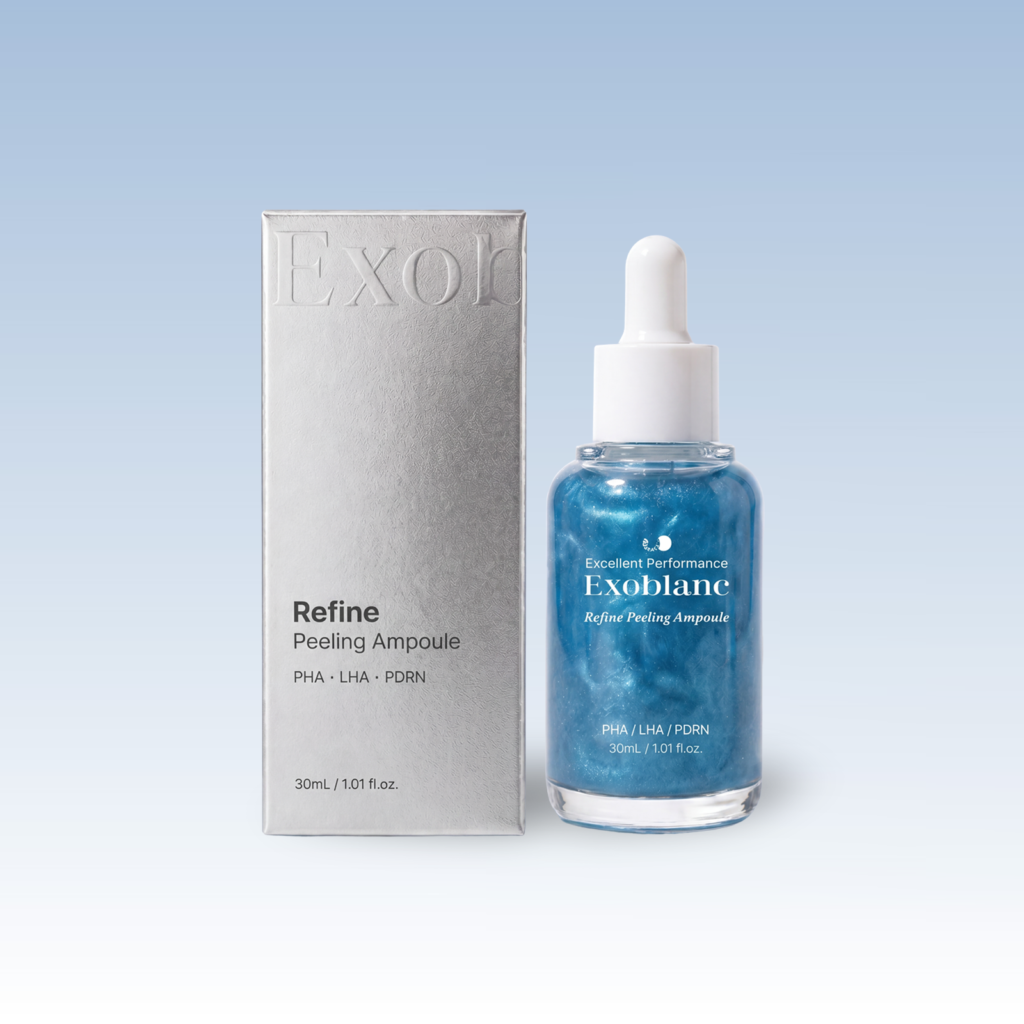
Exoblanc Refine Peeling Ampoule
Water-type daily exfoliating ampoule with PHA, LHA and a tannin complex for smoother-looking texture and refined-looking pores.
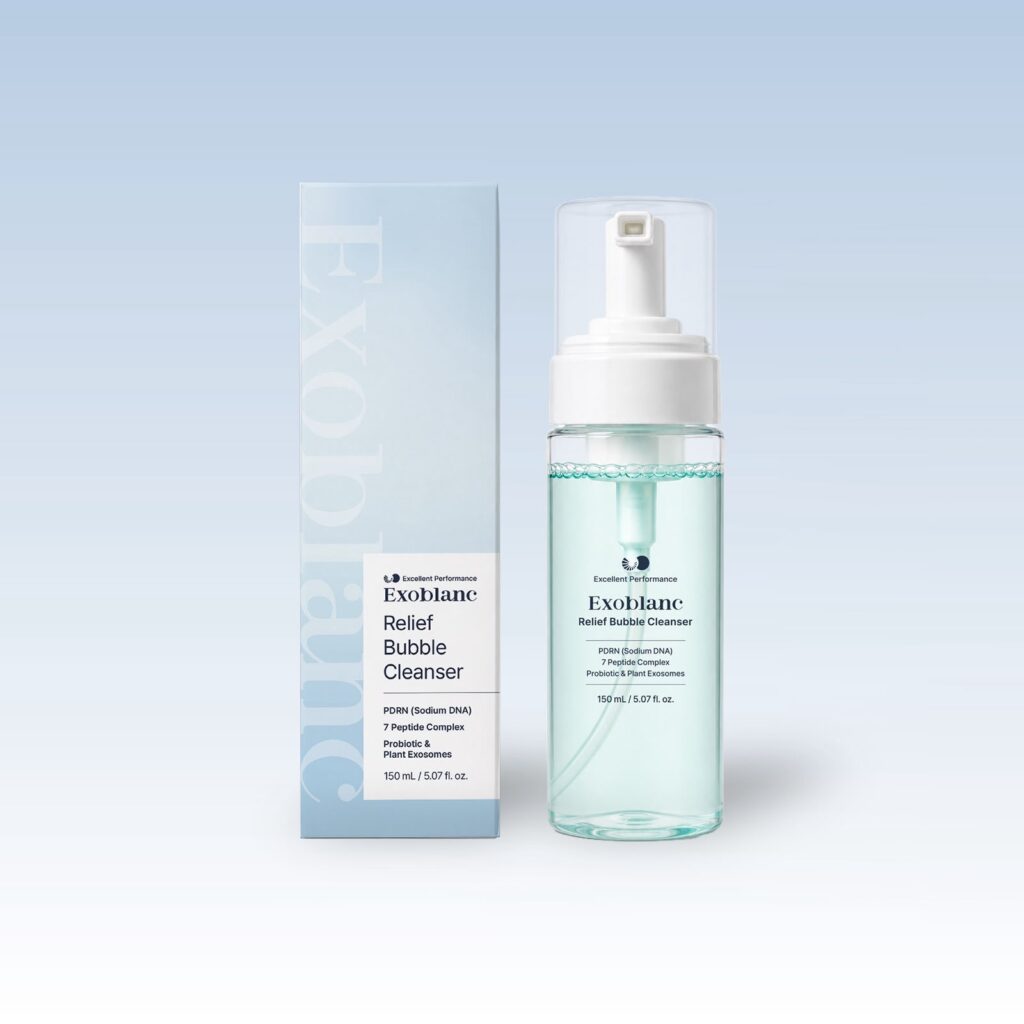
Exoblanc Relief Bubble Cleanser
Dense, gentle foam that lifts away impurities and excess sebum and leaves skin comfortable, never tight.
Frequently asked questions
Is PHA better than AHA?
Not better, gentler. PHAs give a similar smoothing effect with less stinging and add hydration, so they suit sensitive or dry skin. AHAs work faster and may suit resilient skin that wants quicker results.
Can you use PHA every day?
Many PHA formulas are gentle enough for daily use, but start with two or three evenings a week and increase as your skin tolerates it.
Can you use PHA and BHA together?
Yes. They do different jobs: PHA smooths the surface and BHA or LHA works in oily pores. Many formulas, including the Exoblanc Refine Peeling Ampoule, pair PHA with LHA in one step.
Is PHA good for sensitive skin?
PHAs are generally the best-tolerated exfoliating acids. Their larger molecules work more gradually and they help skin hold water. Patch test first and introduce slowly.
What is LHA in skincare?
LHA (capryloyl salicylic acid) is a salicylic acid derivative with a fatty chain. It works more slowly than salicylic acid, giving pore care with a gentler feel.
Do exfoliating acids make skin sensitive to the sun?
Exfoliated skin is more sensitive to UV, and AHAs in particular increase sun sensitivity. Wear broad-spectrum sunscreen every morning when using any exfoliating acid.
References
- Grimes PE, Green BA, Wildnauer RH, Edison BL. The use of polyhydroxy acids (PHAs) in photoaged skin. Cutis 2004;73(2 Suppl):3–13.
- Green BA, Yu RJ, Van Scott EJ. Clinical and cosmeceutical uses of hydroxyacids. Clin Dermatol 2009;27(5):495–501. doi:10.1016/j.clindermatol.2009.06.023
- Kornhauser A, Coelho SG, Hearing VJ. Applications of hydroxy acids: classification, mechanisms, and photoactivity. Clin Cosmet Investig Dermatol 2010;3:135–142. doi:10.2147/ccid.s9042
- Zeichner JA. The use of lipohydroxy acid in skin care and acne treatment. J Clin Aesthet Dermatol 2016;9(11):40–43.
- Manufacturer data, Exoblanc Refine Peeling Ampoule: ingredient list (PHA, LHA, tannin complex, centella asiatica, panthenol, beta-glucan).