Reviewed by the TRU Biologix Medical Team
Skin longevity is an approach to skincare that focuses on keeping skin healthy-looking over decades rather than chasing quick results. In practice it means protecting skin from the factors that speed up visible aging, keeping the moisture barrier comfortable, and adding a small number of well-chosen actives. The single habit with the strongest evidence is still daily sunscreen.
Key takeaways
- Skin longevity is about the long game: protect, maintain, then add targeted steps.
- Researchers group the outside influences on visible skin aging as the skin aging exposome: sun, pollution, tobacco, nutrition, sleep and stress.
- In a randomized trial, daily sunscreen users showed no detectable increase in skin aging over four and a half years.
- A short, consistent routine beats a long routine you cannot keep up.
What does skin longevity mean?
The term borrows from the wider longevity movement: the idea that how we age is shaped by daily habits as much as by the calendar. Applied to skin, it moves the goal from erasing every line to keeping skin looking resilient, even and comfortable for as long as possible.
That shift shows up in the 2026 trend reports, which describe a move away from long, aggressive routines toward fewer, better-chosen products and a focus on the skin barrier. It also fits what dermatologists have said for years: prevention is easier than correction.
What makes skin look older?
Two forces are at work: time, and everything skin is exposed to. Biologists describe a set of hallmarks of aging that apply across the body, from changes in how cells produce energy to the gradual build-up of damage. For skin specifically, researchers use the term skin aging exposome for the outside factors that add to visible aging.
Sun (UV and visible light)
The largest outside contributor to wrinkles, uneven tone and loss of firmness.
Air pollution
Linked in research to uneven-looking pigmentation and wrinkles.
Tobacco smoke
Associated with earlier and deeper-looking wrinkles.
Nutrition
Diet quality is associated with how skin looks over time.
Sleep and stress
Short sleep and stress show up as dull, tired-looking skin.
Temperature
Heat and cold, plus dry indoor air, affect the barrier and comfort.
Sources: Krutmann et al. 2017; López-Otín et al. 2023.
The four pillars of a skin longevity routine
Most of the benefit comes from a handful of habits done every day.
Protect
Broad-spectrum sunscreen every morning, reapplied outdoors. In a four-and-a-half-year randomized trial, people who used sunscreen daily showed no detectable increase in skin aging, while the discretionary-use group did.
Support the barrier
A gentle cleanser and a moisturiser with lipids and humectants keep skin comfortable and looking smooth.
Add antioxidants
Vitamin C in the morning helps defend against the visible effects of daily environmental stress.
Choose one or two targeted actives
A retinoid, copper peptides or NAD+-family ingredients, introduced one at a time and used consistently.
For the ingredients in the last two pillars, see vitamin C, ceramide and totarol oils, copper peptides (GHK-Cu) and what NAD+ does in skincare.
A skin longevity routine by decade
The pillars stay the same; the emphasis shifts with age.
Where professional care fits
Skin longevity is mostly built at home, but many people combine it with in-office treatments chosen with a licensed provider. Home care is what keeps results looking their best between visits: hydration, a comfortable barrier and daily sun protection.
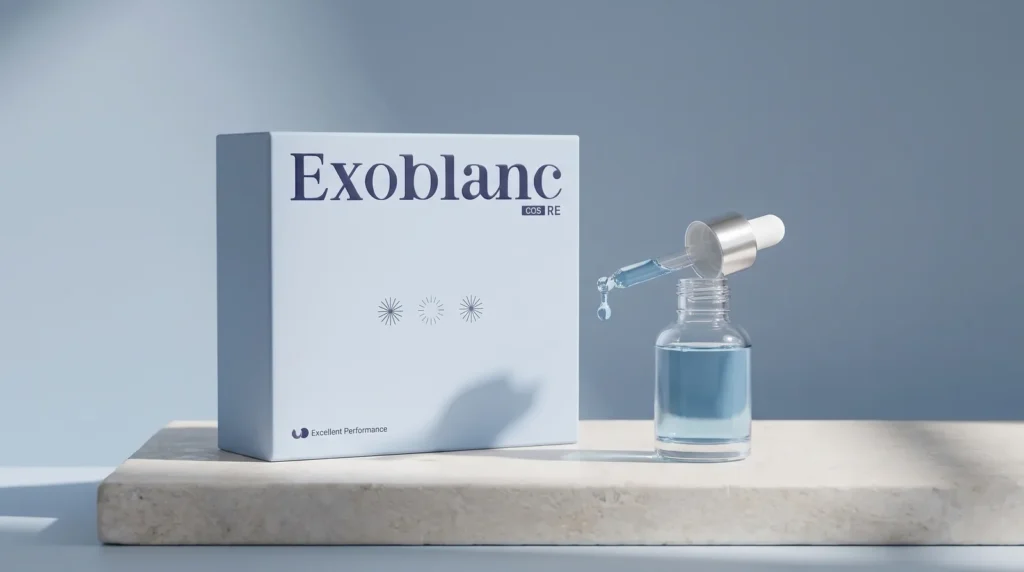
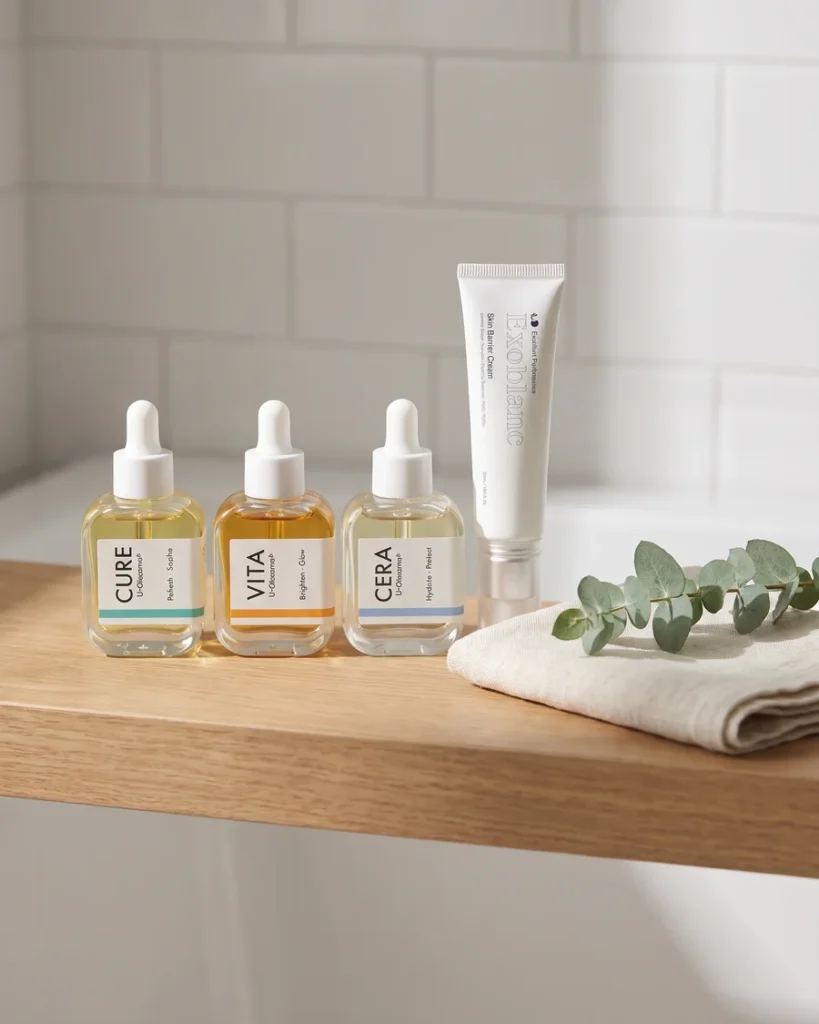
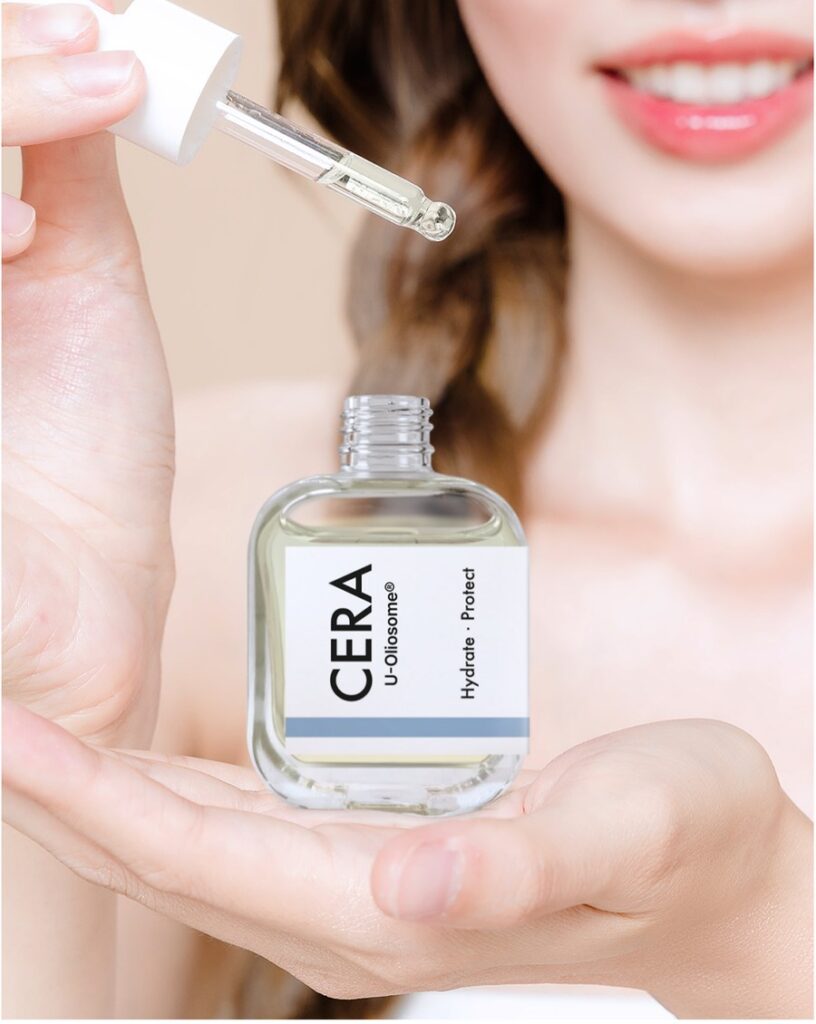
Exoblanc’s Skin Barrier Cream combines NAD, PDRN and CICA-Exo in a light cream for the barrier pillar, and Exoblanc Oil carries vitamin C, ceramides or totarol in a facial oil. Both are topical cosmetics for beautification purposes only.
Skin longevity myths
Products in this article
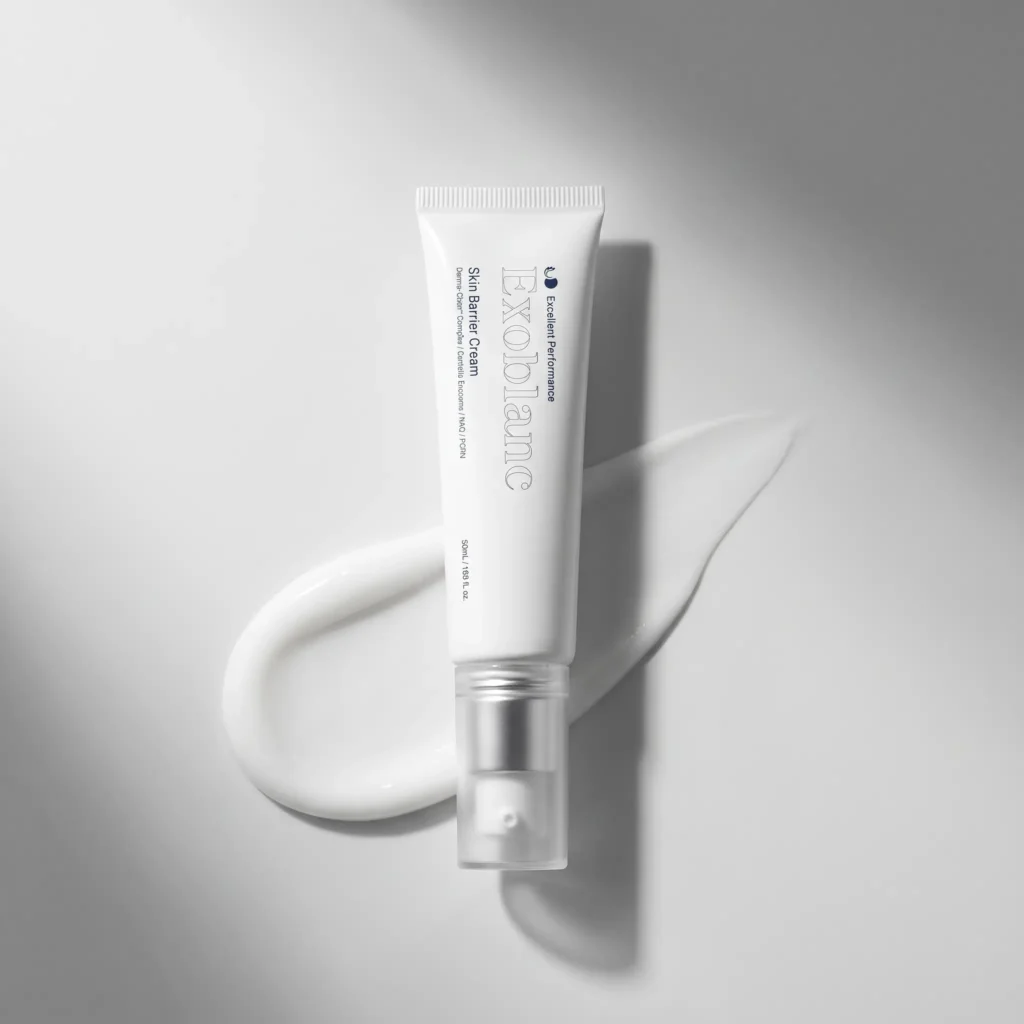
Exoblanc Skin Barrier Cream
Light, non-greasy cream with NAD, PDRN and CICA-Exo to support the moisture barrier.
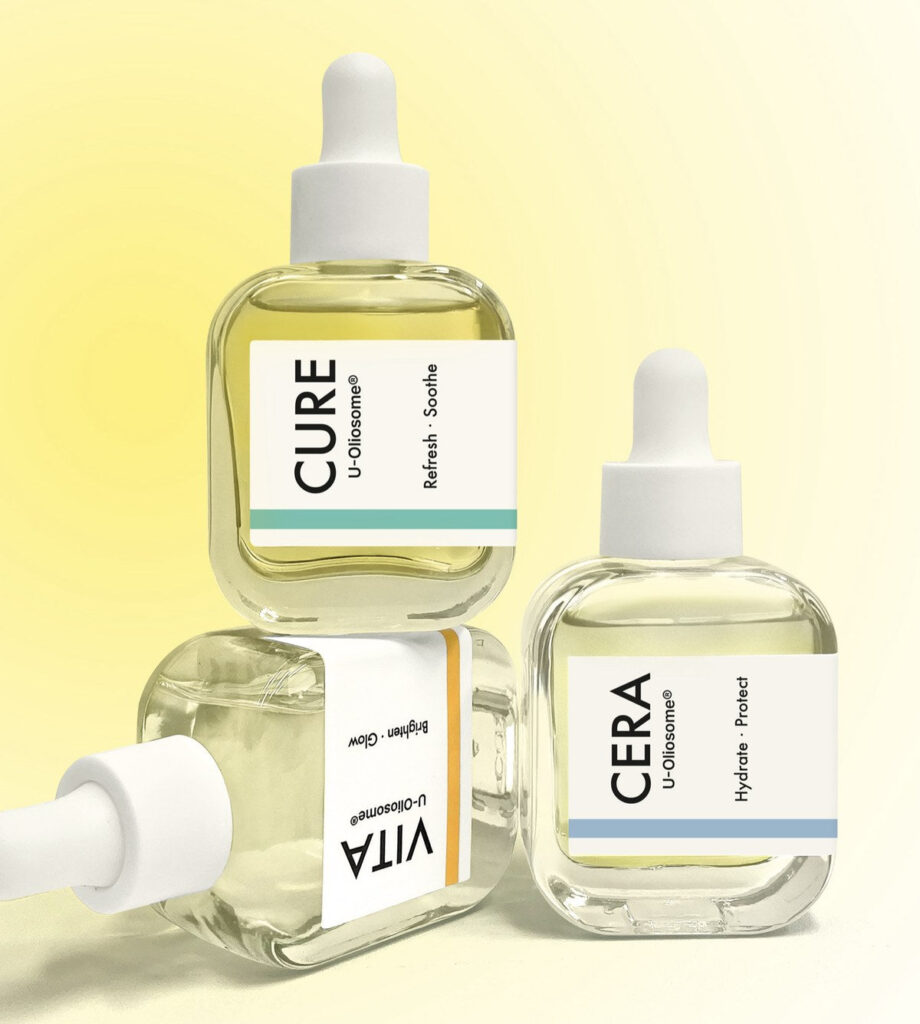
Exoblanc Oil
Facial oils with ceramide NP, vitamin C or totarol in reverse micelles.
Frequently asked questions
What is skin longevity?
Skin longevity is an approach that focuses on keeping skin healthy-looking over decades: protecting it from sun and other outside stressors, supporting the moisture barrier and using a few well-chosen actives consistently.
What is the most important step for skin longevity?
Daily broad-spectrum sunscreen. In a randomized trial, daily users showed no detectable increase in skin aging over four and a half years.
What ingredients are used in skin longevity routines?
Sunscreen, barrier lipids such as ceramides, humectants such as hyaluronic acid, vitamin C, retinoids, and newer ingredients such as copper peptides and NAD+-family ingredients.
At what age should you start a skin longevity routine?
The basics, especially daily sunscreen, are worth starting in your 20s. Targeted actives are usually added from the late 20s or 30s.
Is skin longevity the same as anti-aging?
They overlap, but skin longevity puts prevention and skin health first, rather than correcting individual lines after they appear.
References
- Krutmann J, Bouloc A, Sore G, Bernard BA, Passeron T. The skin aging exposome. J Dermatol Sci 2017;85(3):152–161.
- López-Otín C, Blasco MA, Partridge L, Serrano M, Kroemer G. Hallmarks of aging: An expanding universe. Cell 2023;186(2):243–278.
- Hughes MC, Williams GM, Baker P, Green AC. Sunscreen and prevention of skin aging: a randomized trial. Ann Intern Med 2013;158(11):781–790.